Caught in a Rip Current in Lanzarote? Here’s Exactly What You Should Do
Lanzarote is famous for its beautiful beaches, crystal-clear water and year-round sunshine. But the Atlantic Ocean can be unpredictable.
Caught in a Rip Current in Lanzarote? Here’s Exactly What You Should Do
Lanzarote is famous for its beautiful beaches, crystal-clear water and year-round sunshine. But the Atlantic Ocean can be unpredictable, and one of the biggest dangers for swimmers is something that can be difficult to see: a rip current.
Rip currents can happen on beaches when water pushed towards the shore by waves flows back out to sea through a channel. They can be surprisingly powerful and can quickly carry even a strong swimmer away from the beach.
The good news is that knowing what to do can make a huge difference.
What is a rip current?
A rip current is a strong, narrow current of water moving away from the beach and out towards deeper water.
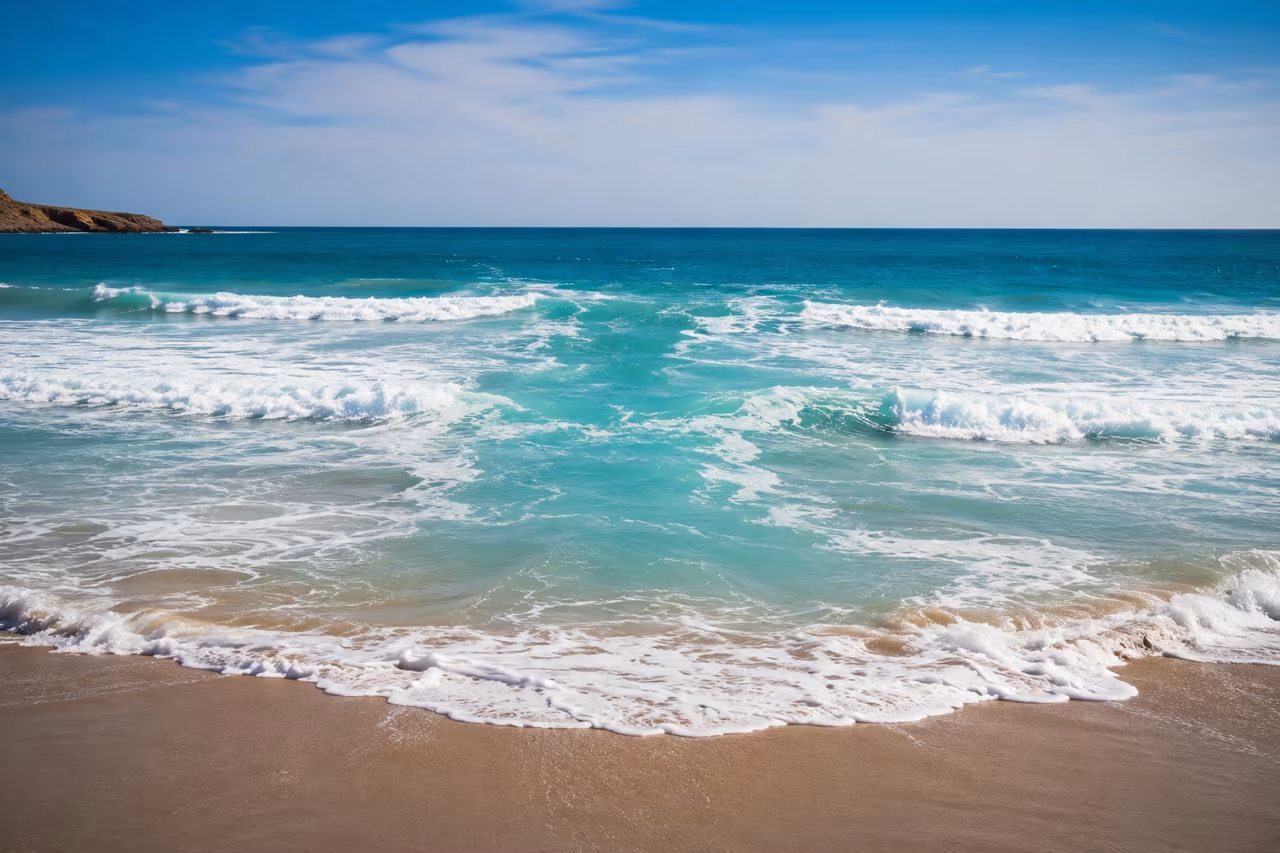
It doesn’t necessarily look dangerous. In fact, a rip can sometimes appear to be a calmer section of the sea, with fewer breaking waves than the surrounding water.
You may notice:
- A darker-looking channel of water
- An area where waves aren’t breaking
- Choppy or disturbed water
- Foam or debris moving away from the beach
- Water that looks different from the surrounding sea
However, rip currents aren’t always easy to spot, so don’t rely solely on being able to identify one.
What should you do if you are caught in a rip current?
1. Don’t panic
This is probably the most important thing.
Your natural reaction may be to swim as hard as possible towards the beach. However, fighting directly against a rip current can quickly exhaust you.
Don’t try to swim directly against the current.
Instead, concentrate on staying calm and conserving your energy.
2. Raise your hand and shout for help
If you are struggling, raise one arm above your head and shout for help.
This is particularly important if there are lifeguards on the beach. They are trained to recognise swimmers in difficulty, but waves and distance can make someone in trouble surprisingly difficult to spot.
Don’t be embarrassed about asking for help. It is much better to attract attention early rather than wait until you are exhausted.
3. If you can stand, wade — don’t swim
If the water is shallow enough for your feet to touch the bottom, try to wade sideways out of the current rather than swimming against it.
Once you are clear of the rip, make your way back towards the beach.
4. If you can’t stand, swim parallel to the beach
If the water is too deep to stand, the advice is to swim parallel to the shoreline, rather than directly towards it.
Think of it as swimming across the rip rather than fighting it.
Once you are out of the strongest part of the current, you can then make your way back towards the beach.
If you are tired, stop and float until you have recovered enough energy to continue.
The most important thing: Float to Live
If you’re becoming exhausted or you’re struggling to stay afloat, stop trying to fight the water and float.
The RNLI’s “Float to Live” advice is:
- Tilt your head back so your ears are submerged.
- Relax and try to control your breathing.
- Move your hands and legs gently to help you stay afloat.
- Don’t worry if your legs sink — everyone floats differently.
- Once your breathing is under control, call for help or swim to safety if you are able.
Floating gives you an opportunity to recover your breathing and conserve energy.
What if you’re holding an inflatable?
If you have a bodyboard, surfboard or another suitable flotation device, keep hold of it.
It can provide valuable buoyancy while you wait for help or make your way out of the current.
However, inflatable toys such as small pool inflatables are not designed as safety equipment and can themselves be blown or carried out to sea.


Sponsored
Don’t try to rescue someone by swimming out to them
If you see another swimmer caught in difficulty, your first instinct may be to jump into the water and help.
Don’t.
Entering the water yourself can result in two people needing rescue instead of one.
Instead:
- Alert a lifeguard immediately if one is present.
- Shout instructions to the person to float.
- Throw them something that floats if one is available.
- Call 112, the emergency number in Spain, if someone is in serious difficulty.
The Government of the Canary Islands specifically advises calling 1-1-2 if you see someone in danger in the water.
How can you reduce the risk of getting caught in a rip?
The easiest rip current to escape is the one you never enter.
When visiting Lanzarote’s beaches:
🏖️ Choose a lifeguarded beach
Where possible, choose a beach with lifeguards and follow their advice.
🚩 Pay attention to the flags
Never enter the sea when a red flag prohibits swimming.
If there are designated areas between flags, stay within them.
🌊 Respect the Atlantic
Lanzarote may have warm sunshine and beautiful beaches, but the sea can still be powerful.
Strong waves, swell and currents can change conditions quickly.
👀 Don’t assume calm-looking water is safe
A section of water that looks unusually calm can sometimes be where a rip current is flowing.
🍺 Don’t mix swimming and alcohol
Alcohol can affect judgement, coordination and your ability to assess conditions in the water.
If you’ve been drinking, stay out of the sea.
A simple rule to remember
If you remember nothing else, remember this:
DON’T FIGHT IT. FLOAT. GET OUT SIDEWAYS. SHOUT FOR HELP.
If you can stand, wade.
If you can’t stand, swim parallel to the beach.
If you’re tired or struggling, Float to Live.
And if you’re in serious trouble, raise your hand and call for help.
Lanzarote beaches are beautiful — but respect the sea
Thousands of people enjoy Lanzarote’s beaches every year without incident. There’s no reason to be afraid of the ocean, but there is every reason to respect it.
Checking the conditions, following local warnings and choosing a lifeguarded beach can dramatically reduce the risk.
And if you ever find yourself being pulled away from the shore, don’t panic and don’t try to beat the current by swimming directly against it.
Stay calm, float, get out of the current sideways and attract attention.
Knowing those few simple steps could one day save your life.
Quick reminder
Caught in a rip?
➡️ Stay calm
➡️ Don’t swim against the current
➡️ Raise your hand and shout for help
➡️ If you can stand, wade sideways
➡️ If you can’t stand, swim parallel to the shore
➡️ If you’re exhausted, Float to Live
➡️ Once free of the current, make your way back to shore
➡️ In an emergency in Lanzarote, call 112
A rip current is a powerful channel of water flowing away from the beach and towards deeper water. Rip currents can occur on beaches where waves are breaking and may not always be easy to see.
Don’t panic and don’t try to swim directly against the current. Raise your hand and shout for help. If you can stand, wade sideways out of the current. If you are in deeper water, swim parallel to the beach until you are out of the strongest part of the current.
A rip current may appear as a darker or calmer-looking channel between areas where waves are breaking. You may also see foam, seaweed or other debris being carried away from the shore. However, rip currents aren’t always obvious.
They can be. Lanzarote is surrounded by the Atlantic Ocean, and sea conditions can vary considerably between beaches and from one day to the next. Strong currents and waves can present a serious risk, particularly to people who are unfamiliar with the local conditions.
Float to Live is a water-safety technique designed to help someone stay afloat if they unexpectedly find themselves in difficulty. Tilt your head back so your ears are submerged, control your breathing, use your hands and legs gently to stay afloat and call for help.
The emergency number in Lanzarote, as throughout Spain and the European Union, is 112. It can be used for serious emergencies requiring police, fire or medical assistance.