Charco de San Gines
Discover the Charco de San Gines in Arrecife, Lanzarote. A beautiful tidal lagoon surrounded by whitewashed fishermen's cottages, excellent restaurants, colourful boats and the historic Church of San Gines.
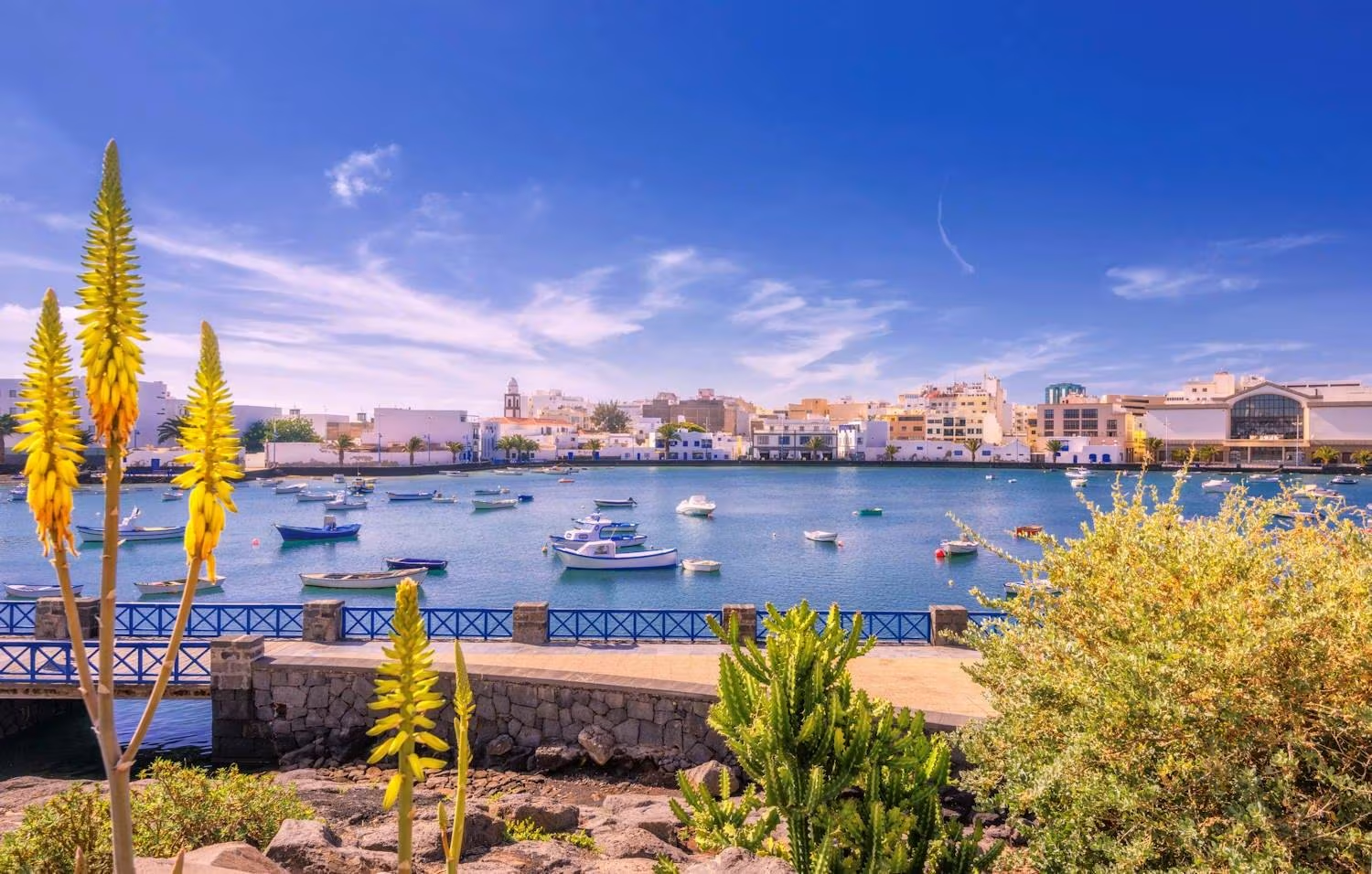
Hidden away from the bustle of Arrecife’s main road and the busy port, you’ll find one of Lanzarote’s loveliest surprises. Charco de San Gines is a peaceful tidal lagoon, edged by whitewashed fishermen’s cottages, swaying palms, and a handful of colourful boats bobbing gently on the water. Over the centuries, this spot has grown from a simple fishing inlet into the heart of local life, where you can enjoy some of the island’s best tapas and soak up the relaxed atmosphere that makes Arrecife so special.
Locals sometimes joke that Charco de San Gines is our own little Venice, and while that might be a bit of a stretch, it does capture something of the charm here. There’s a quiet, timeless beauty to this place. The tide comes and goes, the boats shift gently on the water, and the white cottages seem to shine in the late afternoon light. It’s the kind of spot that draws you in and makes you want to linger. If you only have time for one place in Arrecife, I always recommend starting here.


Sponsored
The History of Charco de San Gines
Charco de San Gines has always been at the heart of Arrecife, shaping daily life here for centuries. It started out as a peaceful natural harbour, where local fishing boats found shelter from the Atlantic and brought in the catch that fed Lanzarote’s early communities. As Arrecife grew, the Charco became the island’s main port, bustling with boats carrying goods and supplies. When Arrecife took over from Teguise as the capital in 1852, the lagoon was the centre of it all, welcoming traders and travellers to Lanzarote.
As the years passed and the main port grew to welcome bigger ships, the Charco became a quieter place, home mostly to small fishing boats. Sadly, by the middle of the last century, the area had lost much of its charm. The lagoon suffered from pollution, and many of the buildings around it were left to crumble. It was only when Cesar Manrique, whose vision has touched so much of Lanzarote, saw what the Charco could become that things began to change for the better.
Together with master builder Luis Morales, Manrique set about bringing the Charco back to life. They separated the lagoon from the busy harbour next door, added graceful bridges, lush gardens and even a gentle waterfall, and created the palm-lined promenade that so many of us enjoy today. The Charco was transformed from a forgotten corner into one of Arrecife’s most beautiful and welcoming spaces, a true testament to Manrique’s gift for finding beauty where others saw only neglect.
Walking Around the Lagoon of Charco de San Gines
If you really want to get a feel for the Charco de San Gines, I always recommend taking a gentle stroll all the way around the lagoon along the promenade. It only takes about fifteen or twenty minutes if you walk slowly, but you will probably find yourself pausing often to snap a photo, soak up the views or choose which restaurant tempts you most. The walkway is flat and well kept, shaded by palm trees and dotted with benches, so it is a lovely, easy walk no matter what time of day you visit.
The Charco is linked to the Atlantic, so the tides come and go twice a day, bringing a gentle rhythm to the water. When the tide is high and everything is calm, the lagoon turns into a perfect mirror, reflecting the white houses, colourful boats and the sky above. It is a favourite spot for photographers, and I never tire of watching the little fishing boats, painted in bright blues, greens, reds and whites, bobbing quietly as the water rises. There is a small pedestrian bridge with blue railings that crosses the lagoon, and it is one of the best places to pause and take in the view in both directions.
Around the Charco, you will find the traditional whitewashed fishermen’s cottages with their green or blue shutters and doors, a look that is so typical of Lanzarote and one that Manrique helped to preserve. Some of these homes have been lovingly restored, while others show their age in a way that only adds to the charm. It always feels to me like a little piece of old Lanzarote, quietly holding its ground in the heart of a busy, modern city.
The Church of San Gines
From the edge of the lagoon, just beside the Plaza de las Palmas, you will find the Iglesia de San Gines. This is one of Lanzarote’s oldest and most cherished churches, and it holds a special place in the hearts of many locals. The story goes that a painting of San Gines was once found floating in the waters of the Charco, and so a simple hermitage was built here back in 1574. Over the years, the original wooden and mud structure was lost to flooding, but the church was lovingly rebuilt in 1667 and gradually expanded as the community grew.
Today, the church stands out with its dark volcanic stone and whitewashed walls, and its neoclassical tower is a familiar sight from across the water. Step inside and you’ll notice the three naves, supported by Tuscan columns, and the beautiful dark wooden ceiling decorated with intricate geometric patterns that hint at Lanzarote’s Moorish past. There are late Baroque statues of San Gines and the Virgen del Rosario, as well as other treasured religious images, some of which made their way here from Havana in the late nineteenth century. In 1990, the church was officially recognised as an Asset of Cultural Interest.
In front of the church, the Plaza de las Palmas is a lovely spot to pause under the shade of the palm trees. If you visit on a Saturday morning, you’ll find the square bustling with an artisan market, where local craftspeople sell handmade goods and traditional Canarian crafts. Every August, the area comes alive for the Fiesta de San Gines, a joyful celebration in honour of the island’s patron saint.
Eating and Drinking at Charco de San Gines
The Charco de San Gines is a favourite spot for many of us who call Lanzarote home, and it is easy to see why. The entire lagoon is surrounded by a wonderful mix of restaurants and bars, from relaxed tapas places to elegant dining rooms, nearly all with terraces where you can sit back and enjoy the view across the water.
La Puntilla is a real landmark for food lovers here, perfectly placed right on the edge of the Charco.
Chef Jose Rodriguez keeps things interesting at La Puntilla by changing the menu every couple of weeks, always making the most of what is in season. The food here is every bit as good as the setting. At the entrance to the Charco, you will find Casa Ginory, now called Charco Vivo, which is a firm favourite for its generous fish platters, bocadillos de pescado and calamares. If you are after seafood right by the water, La Chalana del Charco is a great choice. For those who love tapas, El Leito de Proa, La Caja de Tapas and Tasca La Raspa all serve up delicious small plates in lovely, welcoming surroundings.
Around the Charco, you will find everything from traditional Canarian cooking and fresh seafood to Italian favourites, tapas and international dishes. Prices are usually very fair, especially considering the quality. On Friday and Saturday evenings, the whole area comes alive as the restaurants fill up and the waterfront buzzes with energy. Whether you are looking for a relaxed lunch with a view or a long, leisurely evening of tapas and local wine while you watch the boats and the play of light on the water, it is hard to think of a better place on the island.
The Markets of Charco de San Gines
Charco de San Gines comes alive with local markets several times a week, adding a lovely buzz to the area. On Wednesday and Thursday mornings, you will find a small flea market along the promenade from 9am to 2pm, where stalls offer everything from local produce and crafts to jewellery, clothing and souvenirs. Saturdays bring a different flavour, with an artisan market set up in the Plaza de las Palmas, right in front of the Church of San Gines. Here, you can browse handmade goods and traditional Canarian crafts, all in a setting that feels very much at the heart of Arrecife life.
These markets are a charming extra if you are planning a visit to the Charco, though they are much smaller than the bustling Sunday market in Teguise. If you happen to be nearby, it is well worth timing your stroll to coincide with market hours. Still, the real magic here lies in the Charco itself, with its waterside restaurants and relaxed, local atmosphere. For me, it is the perfect spot to soak up the spirit of Arrecife, whether or not the market is in full swing.
Attractions near to Charco de San Gines
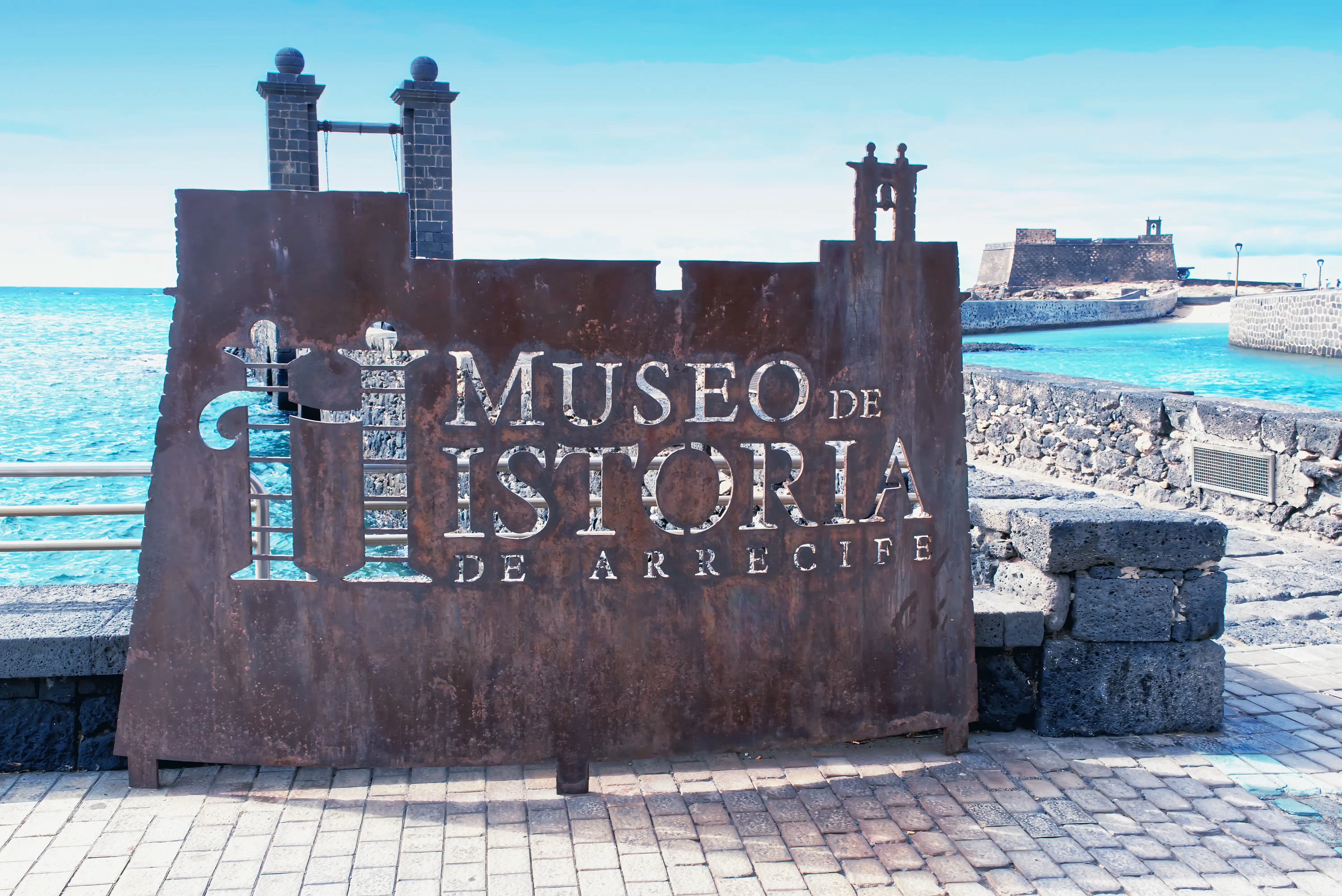
Charco de San Gines is a wonderful starting point for anyone wanting to explore Arrecife on foot. Just a short stroll away, you will find the Castillo de San Gabriel, perched on the little Islote de los Ingleses just off the coast. You reach it by crossing the Puente de las Bolas, a striking pedestrian bridge with its distinctive cannonballs on the pillars. The castle you see today dates back to the sixteenth century, after the original wooden fortress was destroyed by Berber pirates. Now a National Historical Monument, it is home to a small ethnographic museum that is well worth a look.
Calle Real, which locals also call Calle Leon y Castillo, is the main pedestrian street for shopping and links right up to the top of the Charco. It is a lovely place for a gentle wander, with small boutiques, clothes shops and inviting little cafes on either side. The town hall and a handful of other historic buildings are close by, adding to the charm of the area.
Arrecife is well worth setting aside half a day to explore, and for me, the Charco is always the best place to begin. Take a walk around the lagoon, enjoy lunch at one of the waterside restaurants, pop into the church, cross the bridge to the castle, and meander along Calle Real. This is a part of Lanzarote that many resort visitors miss, but it offers a real glimpse into everyday Canarian city life.
Visiting Charco de San Gines
Charco de San Gines is one of those special places in Arrecife that you can visit whenever the mood takes you. There are no gates or tickets, just an open invitation to wander in and soak up the atmosphere, day or night. The lagoon sits right in the heart of the city, easy to reach from the main coastal road or by strolling down from Calle Real. If you are driving, you will find paid parking in the nearby streets and public car parks. For those coming by bus from the main resorts, the station is only a short walk away, making it simple to drop by and explore.
Getting to Arrecife from the main resorts is straightforward. It is about 15 minutes by car or bus from Puerto del Carmen or Costa Teguise, and around 50 minutes from Playa Blanca. If you prefer a taxi from Puerto del Carmen, expect to pay between 12 and 18 euros. Once you are in the centre of Arrecife, the Charco is easy to find on foot, and you will soon spot the water glinting between the streets.
If you enjoy photography, mornings at the Charco are a real treat, with calm water, gentle light and beautiful reflections. In the evenings, especially on Fridays and Saturdays, the area comes alive as the restaurants fill with locals and visitors alike, creating a lively yet relaxed atmosphere. For those who like to browse, Wednesday, Thursday and Saturday mornings are perfect for combining your visit with the local markets.