Lanzarote Surfing
Complete guide to surfing in Lanzarote. Famara beach surf schools, La Santa reef breaks, El Quemao, board hire, wetsuit advice and swell seasons.
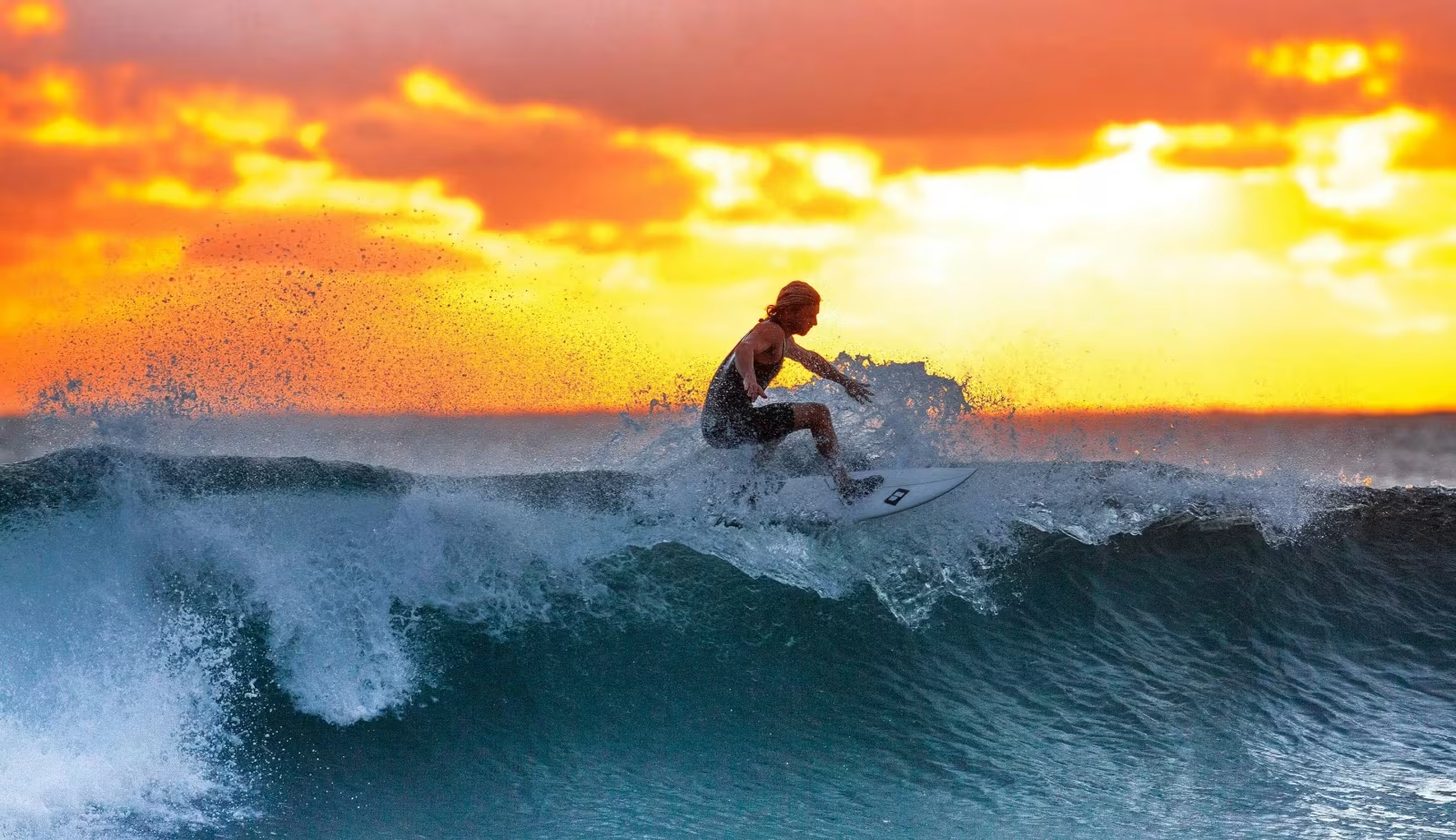
Lanzarote has earned its reputation as the best surfing destination in the Canary Islands and one of the finest in Europe. The island catches swell from the open north Atlantic, its volcanic coastline creates a huge variety of breaks, and the water stays warm enough to surf in a thin wetsuit year-round. From the long, forgiving beach break at Famara where thousands of beginners catch their first wave every year, to the heavy, world-class reef breaks at La Santa and El Quemao that draw professional surfers from across the globe, Lanzarote packs more quality surf into a small island than almost anywhere else.
The surf culture here is genuine and deep-rooted, centred on the village of Caleta de Famara where surf schools, board shapers, yoga studios and organic cafes create an atmosphere that feels closer to a surf town in Portugal or Morocco than a typical Canary Islands holiday resort.


Sponsored
Lanzarote Surfing at Famara beach
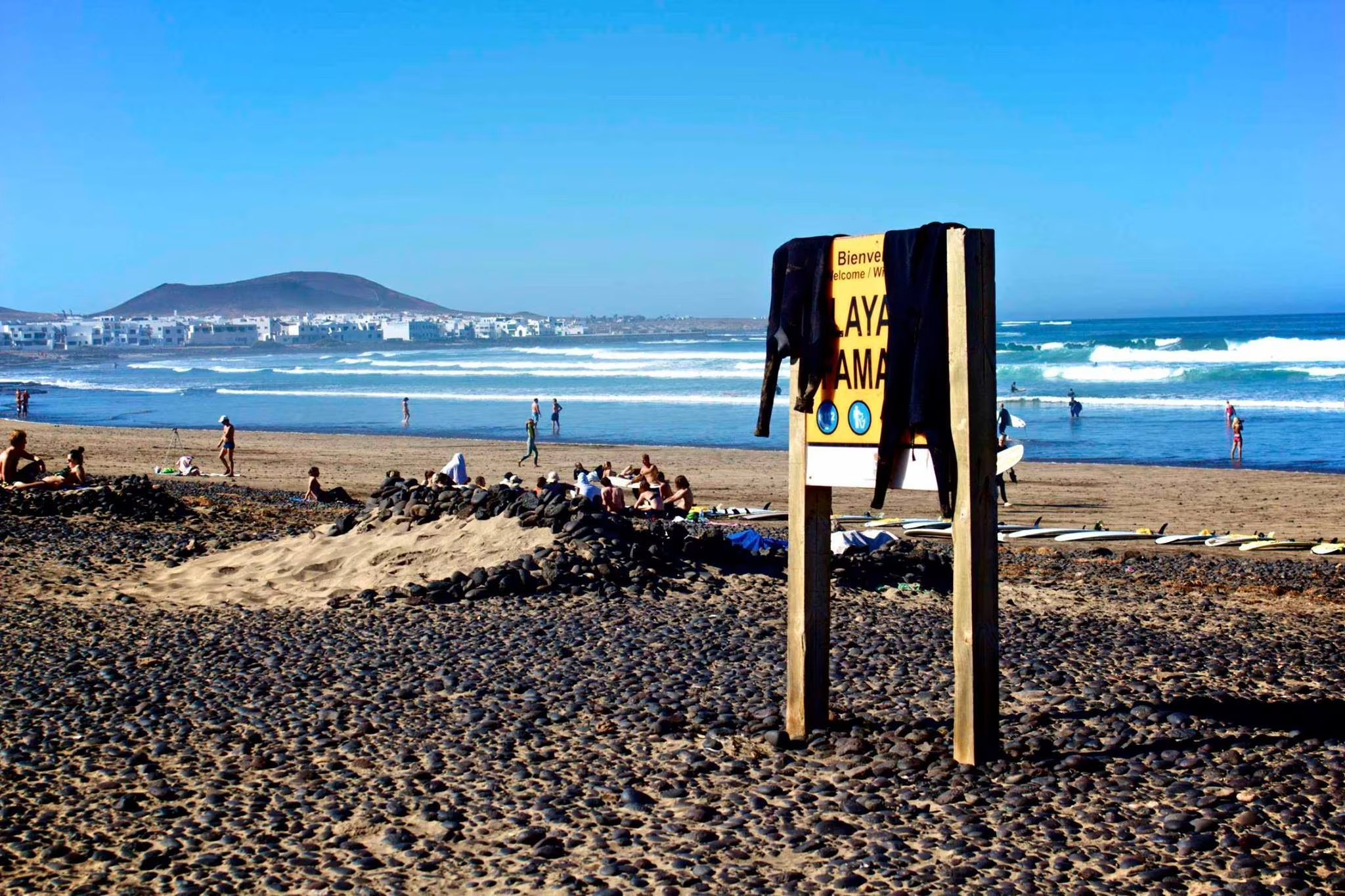
Playa de Famara is the heart of surfing in Lanzarote and the place where the vast majority of people learn to ride waves. The beach stretches for almost six kilometres along the northwest coast, backed by the towering Famara cliffs that rise 600 metres above the sand. The break is a classic beach break over a sandy bottom, which means there is nothing hard to hit when you fall off. Waves break across the full length of the beach, but most surf schools operate in the central and southern sections where the whitewater is most consistent and the rips are most manageable. On a typical day, you will find waist-to-chest-high waves rolling in sets, with plenty of whitewater for beginners to practise standing up and unbroken green waves further out for intermediates working on their turns.
The beach works on all tides, though low to mid tide tends to produce the best-shaped waves. When bigger swells arrive, Famara can produce powerful waves with long rides, but these conditions are for experienced surfers who know the beach well. The currents at Famara are real and should be respected. Rip currents form in channels between sandbars, and the longshore drift can carry you sideways without you noticing. Surf school instructors know the beach intimately and will position you in the safest areas, which is one of several good reasons to take a lesson rather than paddling out alone on your first visit.
Caleta de Famara village and Lanzarote surf culture
The small village of Caleta de Famara sits at the southern end of the beach and is the centre of Lanzarote's surf scene. The village has a relaxed, slightly bohemian atmosphere that feels very different from the package holiday resorts on the east coast. The main street is lined with surf schools, board rental shops, a couple of surf-and-stay camps, and cafes where you can get acai bowls, flat whites and vegetarian food alongside the traditional Canarian fare. Several surf schools are based here, including well-established operations that have been teaching for over a decade.
Most offer group lessons for around 35 to 45 euros per person for a two-hour session, including board and wetsuit hire. Private lessons cost 70 to 100 euros. Multi-day courses over three or five days bring the per-session price down and give you a much better chance of progressing. Surf camps combine accommodation in shared villas or apartments with daily surf sessions, yoga classes and social activities. A week in a surf camp typically costs 400 to 600 euros including accommodation and daily surf sessions. The village is also a popular base for experienced surfers who come to Lanzarote for the winter swell season. You will see vans with board racks parked along the seafront from October through March, and the lineup at the better peaks can get competitive when a good swell arrives.
La Santa Surfing and the reef breaks
La Santa is a small fishing village on the northwest coast, about 15 minutes drive from Famara. It is home to one of the best left-hand reef breaks in Europe. The wave breaks over a shallow volcanic rock shelf, producing a fast, powerful wall that barrels on bigger swells. When a solid north or northwest swell hits with light easterly or no wind, La Santa produces waves that rival anything in the Canary Islands. This is a wave for experienced surfers only.
The takeoff is steep, the wave is fast, the reef is shallow, and a wipeout can put you on the rocks. Helmets are worn by some locals. The lineup has a pecking order that visiting surfers should respect. La Santa works best on swells of 4 feet and above, and needs a north to northwest swell direction. Smaller swells break too fat to be interesting, while the biggest winter swells can make it unrideable and dangerous. The bay also has a right-hander on the opposite side that works on different swell angles, offering an alternative when the main left is too crowded or too big.
El Quemao Lanzarote Surfing
El Quemao is located just around the headland from La Santa and is one of the heaviest waves in the Canary Islands. It is a hollow, fast, left-hand barrel that breaks over volcanic rock in shallow water. On its day, it produces tubes that compare favourably with Pipeline in Hawaii, and it has hosted professional bodyboarding and surfing events.
El Quemao needs a big northwest swell to work properly, and when it does, the wave is short, intense and extremely powerful. It is strictly for expert surfers and bodyboarders who are comfortable in heavy, shallow water. Spectators can watch from the harbour wall and rocks, and when a big swell is running, it draws crowds of photographers and onlookers. Even if you are not at the level to surf El Quemao, watching it break from the shore is one of the most impressive sights in Lanzarote.
Other surf spots in Lanzarote
San Juan is a reef and rock break located between Famara and La Santa. It picks up more swell than Famara and works on smaller days when the main beach is flat. It has several peaks spread along the coast, some of which are suitable for good intermediates while others are better left to experienced surfers who know the rocks. The east coast of Lanzarote is sheltered from the main Atlantic swell but can produce fun waves on large south or east swells.
Arrieta and the coast around it have several spots that work for longboarding and mellow shortboarding when the west coast is blown out or too big. Playa de la Garita in Arrieta is a popular option. In the far south, the coast between Playa Blanca and the Papagayo beaches occasionally picks up south swells that produce short, fun waves over sand and rock. These are fickle and rarely surfed, but worth checking if you are staying in the area and the forecast shows a southerly swell.
Lanzarote Surf Swell seasons and conditions
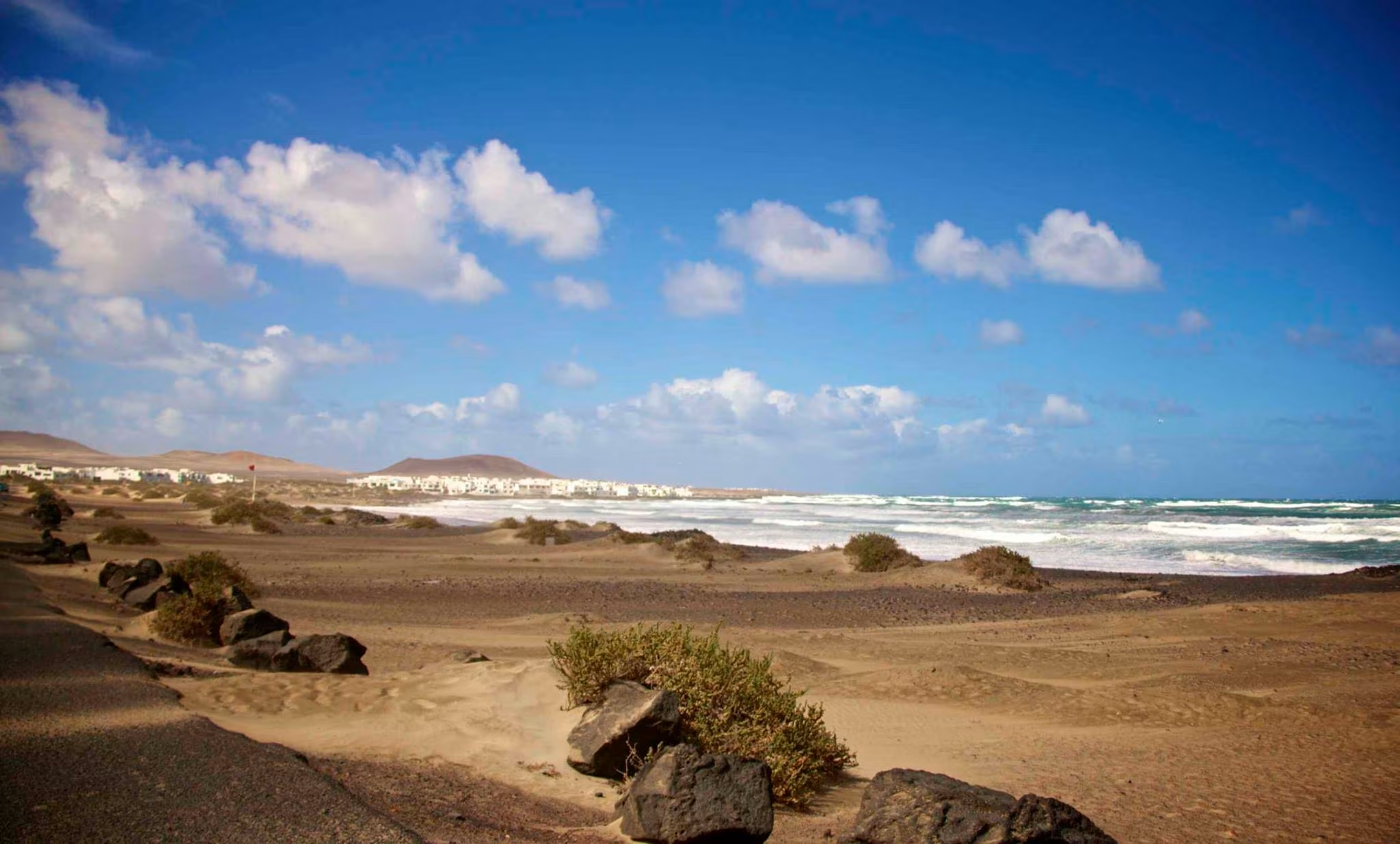
The main surf season runs from October to March, when north Atlantic storms send consistent swells towards the Canary Islands. Swell heights of 3 to 8 feet are common during this period, with occasional larger swells pushing 10 feet or more at the exposed spots. The swell direction is usually north to northwest, which lights up Famara, La Santa and El Quemao.
Wind is the key variable. The prevailing trade winds blow from the northeast, which is offshore at the west-facing breaks and the main reason Lanzarote produces such clean waves. When the trades drop or switch to the east, conditions can be glassy and perfect. Summer is smaller but still surfable. Famara picks up residual swell on most days, enough for a fun longboard session or a beginner lesson. The water temperature ranges from 18 degrees in January to 23 degrees in September. A 3/2mm wetsuit is comfortable year-round. Some surfers switch to a 2mm shorty or surf in boardshorts and a rash vest in late summer, but the wind chill on the exposed west coast means most people keep a full suit on.
Surfing in Lanzarote Board hire and equipment
Surfboard hire is available in Caleta de Famara from several shops along the main street and from the surf schools. Soft-top foam boards for beginners cost around 10 to 15 euros for a half day or 15 to 20 euros for a full day. Fibreglass shortboards and longboards cost slightly more. Wetsuit hire is around 5 to 10 euros per day, or often included when you hire a board.
If you are bringing your own board, most airlines flying to Lanzarote accept surfboards as sports equipment for an additional fee, typically 30 to 60 euros each way. Board bags are available in the surf shops if you need one. There are no surf shops in the main tourist resorts of Puerto del Carmen or Playa Blanca, so if you want to buy wax, leashes, fins or other accessories, Caleta de Famara or the Decathlon-style sports shops in Arrecife are your best options.
Accessibility and adaptive surfing
Adaptive surfing for people with physical disabilities is a growing movement worldwide, and Lanzarote has the conditions to support it. The sandy bottom and whitewater at Famara are well suited to adaptive sessions where participants are assisted into waves on soft-top boards. Some surf schools can accommodate riders with disabilities on request, using volunteer helpers in the water. The beach at Famara does not have wheelchair-accessible infrastructure like boardwalks or beach wheelchairs, so reaching the water requires crossing soft sand, which may need assistance.
If you have a disability and want to try surfing, contact schools in advance to discuss your needs. The warm water, predictable whitewater and soft sand make Famara a good venue for adaptive surfing when properly supported.
Photography and spectating
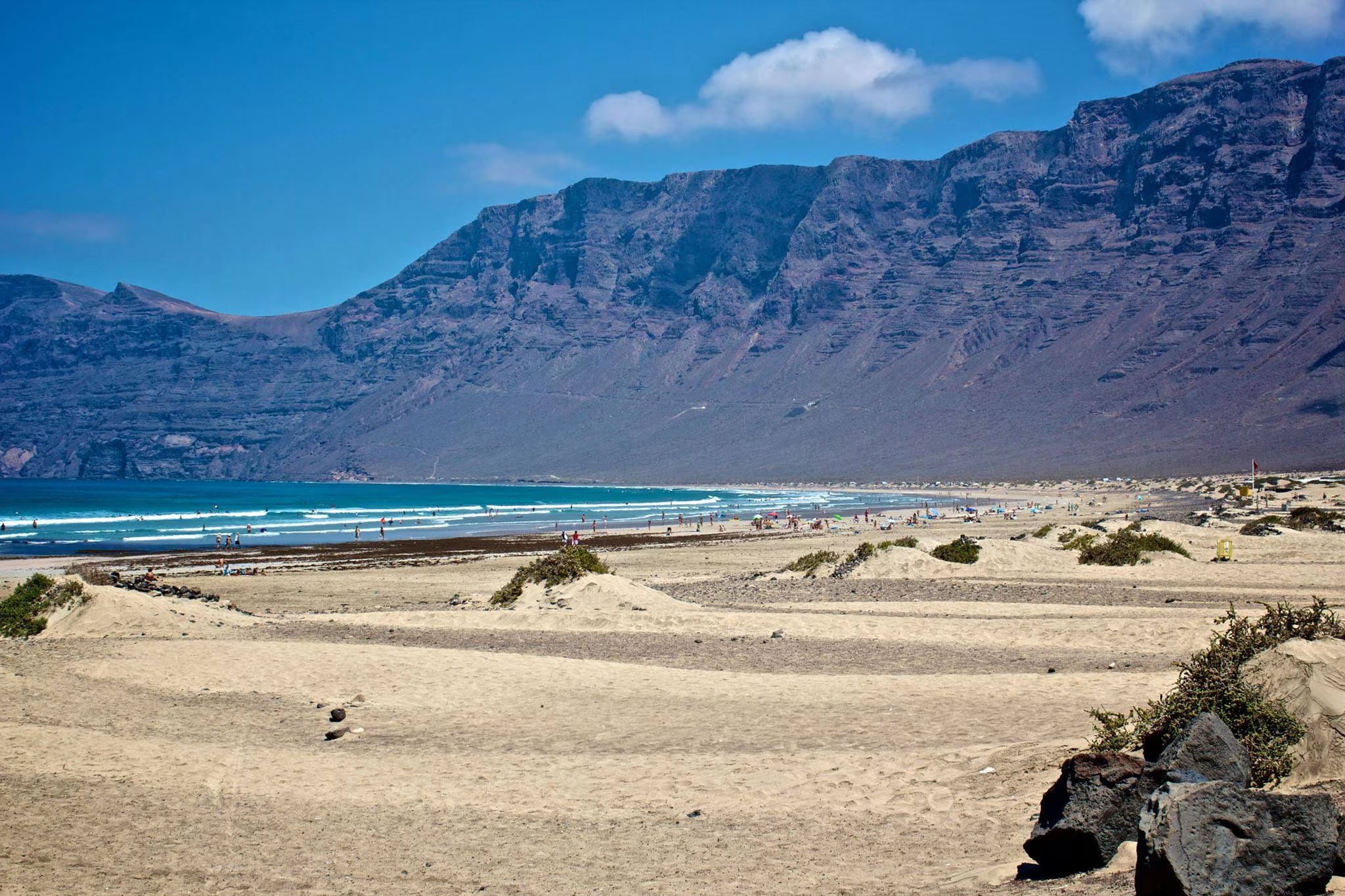
Lanzarote is a photogenic surf destination. The Famara cliffs provide a dramatic backdrop to any image taken on the beach, and the light in the late afternoon turns the scene golden. For the best photographs, shoot from the southern end of Famara looking north along the beach with the cliffs behind the surfers. A long lens of 200mm or more is useful for capturing riders on the waves from shore. At La Santa and El Quemao, you can get very close to the action from the harbour wall and surrounding rocks, making it possible to shoot powerful wave photography with a standard zoom lens. Drone photography is popular but be aware of regulations. Flying over beaches with people on them is restricted, and you should avoid flying directly over surfers in the water.