The taste of Lanzarote
Discover Lanzarote's food culture, from papas arrugadas and mojo to fresh Atlantic fish, goat's cheese, gofio, volcanic wines, and the diverse international dining scene.
Lanzarote’s food is a wonderful blend of Spanish, African and Latin American influences, shaped over centuries right here on this volcanic island in the Atlantic. The dishes are simple and honest, with fresh fish, creamy goat’s cheese, and sauces that pack a real punch, all made with ingredients that somehow thrive in the black lava fields.
If you stick to the main resort strip, you’ll miss out on what makes Lanzarote’s food so special. The real flavours are found in the harbour villages, in the little bars tucked away in Arrecife, and in family-run restaurants up in the hills where the menu is simply written on a chalkboard in Spanish. Whether you’re enjoying papas arrugadas at a village lunch spot or discovering a new restaurant putting a creative twist on local produce, there’s a genuine food scene here that often surprises visitors who take the time to explore.
Papas Arrugadas & Mojo, the Island's Signature Dish
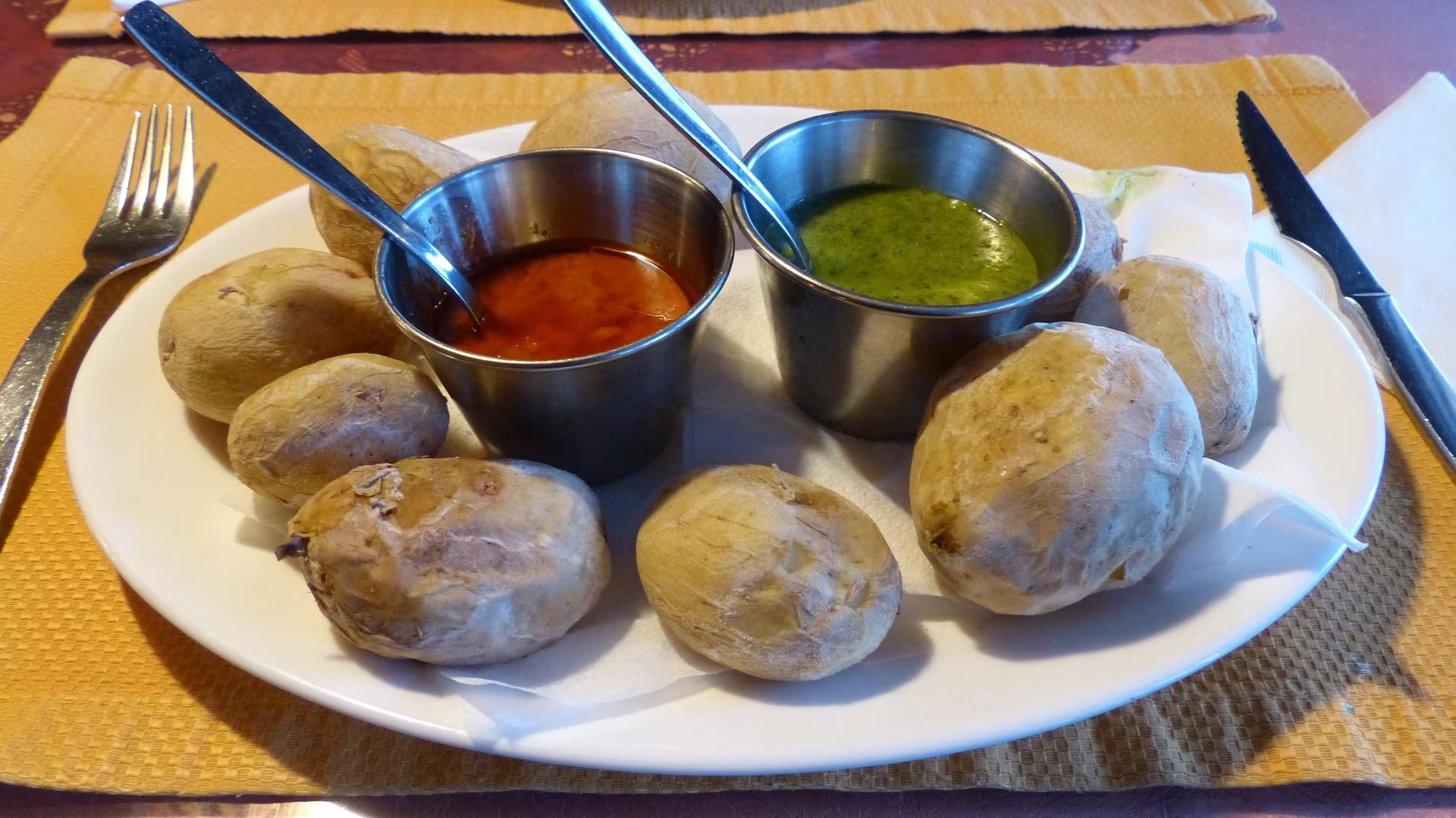
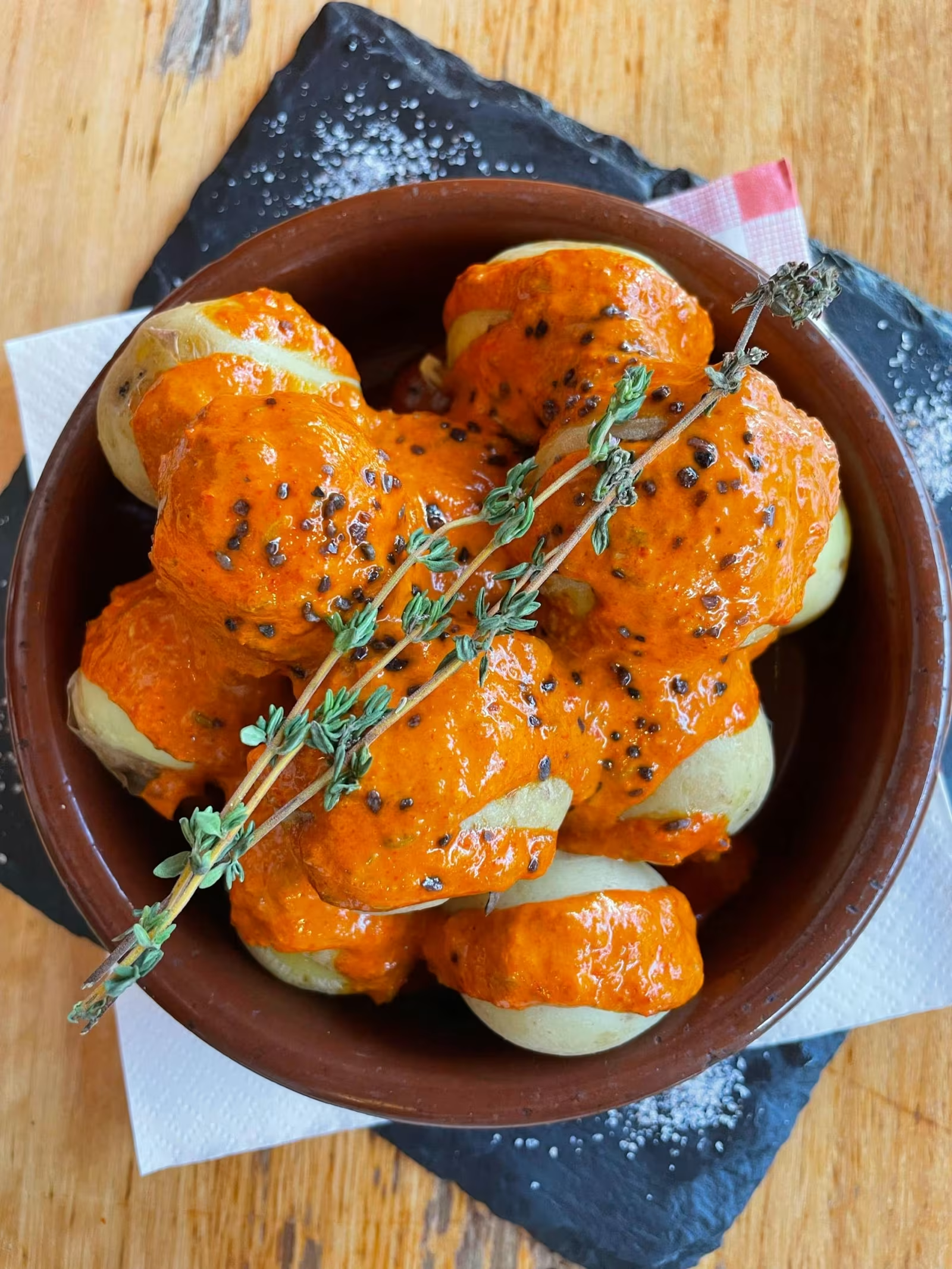
Papas arrugadas, or wrinkled potatoes, are a real favourite here in Lanzarote, and I can promise you’ll find yourself coming back to them again and again. The most delicious ones are made with small, waxy potatoes, especially the local papa negra, simmered slowly in very salty water until all the liquid is gone. What you’re left with are these beautifully crinkled, salt-encrusted potatoes with a flavour that somehow manages to surprise you every time.
You’ll always find papas arrugadas served with mojo, the famous Canarian sauce that appears on just about every table here. Mojo rojo, the red one, is made with dried red peppers, garlic, cumin, paprika, olive oil and vinegar, which gives it a gentle smokiness and just a hint of heat. Mojo verde, the green version, is made with fresh coriander or parsley for a lighter, more herbal taste. Every restaurant has its own special twist, and every local family has their own secret recipe. Trying different mojos as you make your way around Lanzarote is one of those simple pleasures that makes eating out here such a joy.
You’ll spot papas arrugadas on menus as a starter, a side dish, and sometimes even as a meal in their own right. They usually cost between 3 and 6 euros in most places, and I always think they’re the perfect way to begin exploring Canarian food.


Sponsored
Fresh Fish & Seafood in Lanzarote
Living here, you quickly come to appreciate that Lanzarote is blessed with some of the richest fishing waters in the eastern Atlantic. Fresh fish is a way of life, and in the right local spots, you can be sure that what arrives on your plate was swimming in the ocean just hours earlier.
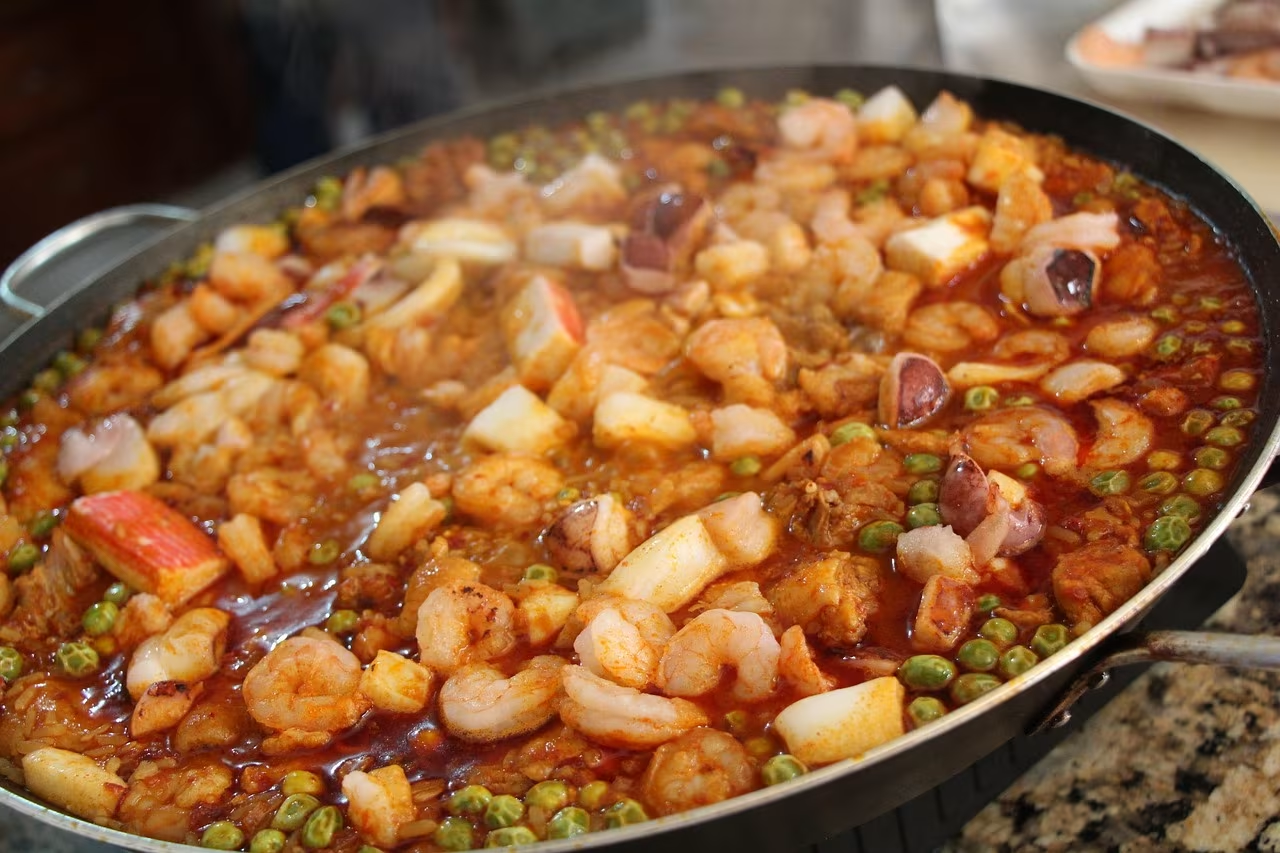
Vieja, or parrotfish, is a real local favourite here. It’s usually served whole, simply grilled and topped with a generous spoonful of mojo verde. The flesh is delicate and just a little sweet; something you really won’t find on the mainland. Cherne, a firm white fish, is another staple, perfect whether grilled or baked. You’ll also spot sama, bocinegro and corvina on many menus, each one offering its own subtle flavour and always worth trying.
If you’re after a traditional starter, caldo de pescado is a classic choice. This clear, flavourful soup is made from the day’s catch, simmered with potatoes and a hint of saffron. For something heartier, try sancocho canario, a comforting stew of salted fish, usually cherne, with sweet potatoes and gofio, always served with a side of mojo. It’s a Friday tradition across the islands, and one that locals look forward to each week.
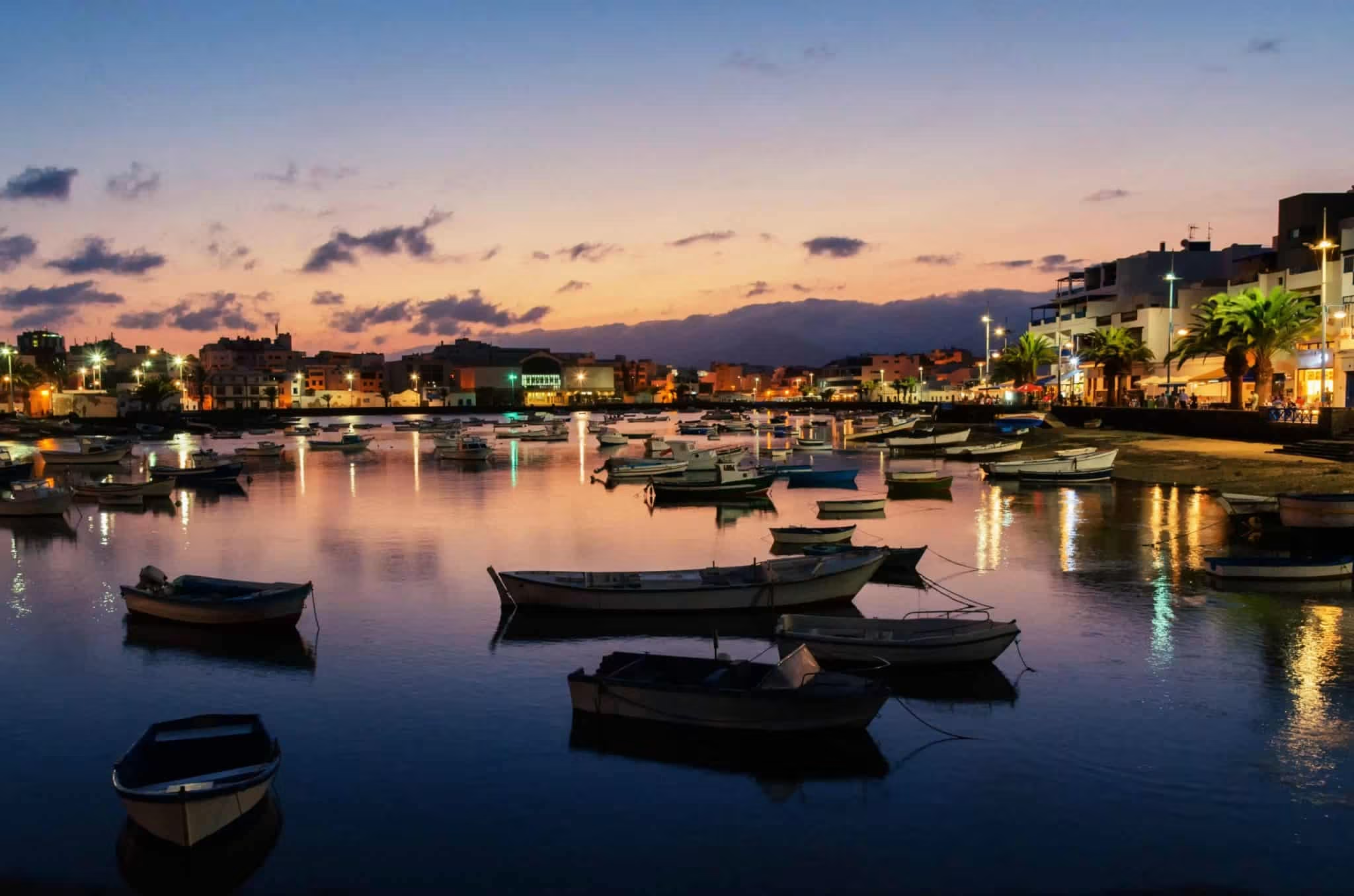
For the freshest catch, I always recommend heading to the harbour restaurants in places like the Old Town of Puerto del Carmen, El Golfo, Orzola or La Santa. Don’t be shy to ask what was landed that morning. More often than not, your waiter will bring the fish to your table so you can choose exactly what you’d like cooked.
Goat's Cheese from Lanzarote
It sometimes feels as though there are more goats than people here on Lanzarote, and the cheese they provide is truly something special. While our neighbours in Fuerteventura may get most of the attention for their queso majorero, we have our own wonderful varieties right here on the island, each with its own unique character.
Queso asado con mojo is a true island classic. Imagine a generous slice of semi-cured goat’s cheese, grilled until it turns golden and just begins to melt, then finished with a drizzle of either mojo rojo or mojo verde. You’ll find it on nearly every Canarian restaurant menu, and if you’re anything like me, it’s one of those starters you simply can’t resist ordering again and again.
If you have the chance, visit the Teguise Sunday market or the Haria Saturday market to sample local cheeses. Here, small artisan producers sell their cheeses directly, and the difference from anything you’ll find in the supermarket is remarkable. Fresh goat’s cheese is mild and creamy, while the semi-cured varieties offer a lovely nutty tang. For those who like a stronger flavour, the fully cured cheeses are intense and wonderfully crumbly.
Gofio, the Ancient Grain
Gofio is a toasted grain flour, most often made from wheat, maize or a mixture of both. Its roots stretch all the way back to the Guanche people, the island’s original inhabitants, long before the Spanish set foot here. For centuries, it has been a staple in Lanzarote kitchens and remains an essential part of daily cooking, even though many visitors never get the chance to try it.
You’ll find gofio making quiet appearances all over the island: stirred into fish broth to thicken it, kneaded with honey and almonds to create a sweet treat known as gofio amasado, served as a hearty paste with stews, or even blended into breakfast smoothies. Perhaps the most traditional way to enjoy it is escaldón de gofio, where it is mixed with hot fish stock until it becomes a thick, savoury porridge. The flavour is unique and might take a little getting used to, but tasting it is a wonderful way to connect with Lanzarote’s ancient past.
Meat Dishes & the Canarian Grill
Although Lanzarote’s coastline is rightly celebrated for its fresh fish, those of us who have spent years exploring the island know that the heart of Lanzarote’s food culture beats just as strongly inland. Here, you will discover dishes like conejo en salmorejo, a local favourite where rabbit is marinated in garlic, paprika, thyme, oregano and vinegar, then slow-cooked until it is beautifully tender and full of flavour. It is a far cry from the plain rabbit you might have tasted elsewhere, and it is one of those dishes that really captures the essence of traditional island cooking.
Carne de cabra, or goat stew, is another dish that locals hold dear. The goat is slowly simmered with wine and herbs until it becomes meltingly soft and rich with flavour. It is the sort of meal that reminds you of family gatherings and long, relaxed lunches in the countryside.
If you venture into the villages inland, especially around Teguise and San Bartolomé, you will often come across pata asada, a succulent roasted leg of pork, and costillas, or ribs. These are the sorts of dishes that bring people together, and they are always served with a generous spirit.
The approach to meat on Lanzarote is refreshingly simple: good ingredients, honest cooking and hearty portions. It is not unusual for grilled meats to arrive at your table still sizzling on a hot stone or cast-iron platter, filling the air with delicious aromas and inviting you to tuck in.
La Geria Wine, From Volcanic Vines
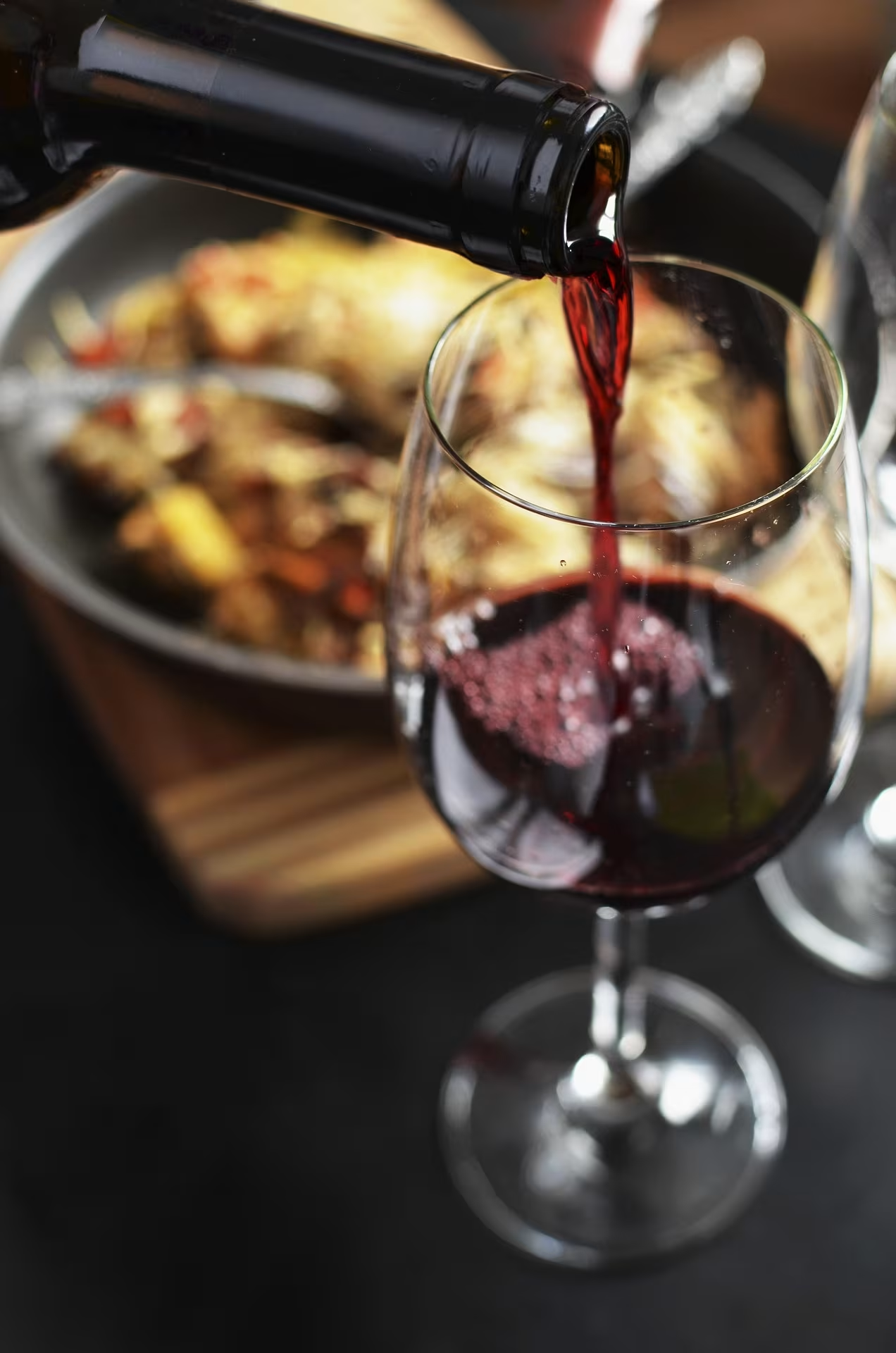
La Geria, Lanzarote’s wine region, is truly a sight to behold. Here, each vine is carefully planted in its own hollow, dug by hand into the black volcanic ash, and protected from the island breezes by the familiar low stone walls known as zocos. The landscape rolls on for miles through the heart of the island, and even after many years here, I still find it otherworldly every time I pass through.
The star of the show here is the Malvasia Volcanica grape, which gives us wonderfully aromatic white wines. Some are crisp and mineral, others are laced with a gentle sweetness and hints of honey. Thanks to the volcanic soil, these wines have a flavour you simply won’t find anywhere else. There are also some lovely reds and rosés made from Listan Negro, but it’s the whites that really capture the spirit of Lanzarote.
Many of the main bodegas welcome visitors for tours and tastings. Bodega La Geria, El Grifo (which has been making wine since 1775), Bodega Rubicon, and Bodegas El Tablero are all favourites of ours and well worth a visit. For a small fee, usually between 5 and 15 euros, you can sample a selection of their wines alongside local cheese and fresh bread. Even if wine isn’t your passion, the scenery alone is reason enough to spend an afternoon here.
International Cuisine, a Surprisingly Diverse Scene
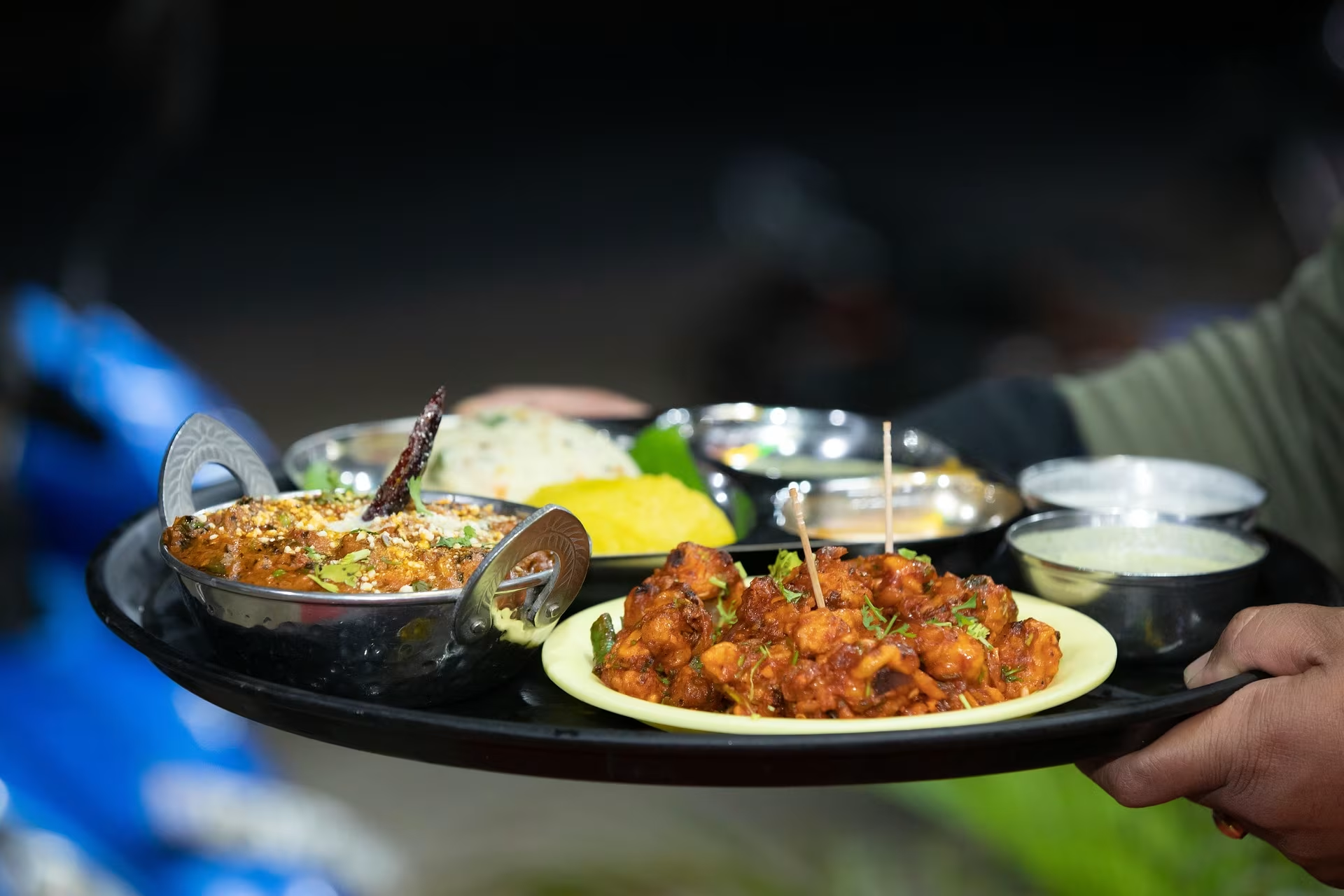
One of the things I have always loved about Lanzarote is the way it welcomes people from all over Europe, and you can really taste that in the island’s food scene. Especially in the main resorts, there is a wonderful mix of flavours and traditions. Whether you are in the mood for something comforting and familiar or you fancy trying something a little different, you will find plenty of options here.
Italian restaurants are very much part of daily life here, from easy-going pizza places to proper trattorias where you can linger over a meal. Thanks to Lanzarote’s longstanding Italian community, many of these restaurants are family-run and take real pride in using ingredients brought over from Italy. The quality is usually excellent, and you can really taste the care and tradition in every dish.
Indian food is also a big part of the dining scene, especially in Puerto del Carmen and Playa Blanca. Many of the Indian restaurants are run by chefs who have come here from the UK or directly from India, so you will find all the classics as well as some more regional specialities. Places like Shapla, Lal Qila and Spice Island are firm favourites with British visitors and locals alike.
You will also find plenty of Chinese, Thai and Asian fusion restaurants dotted around the island. Mexican food has become increasingly popular in recent years, with everything from laid-back taco bars to more formal dining options. Alongside these, there are Greek tavernas, German brauhauses, French bistros and, of course, British pubs serving up a proper full English breakfast.
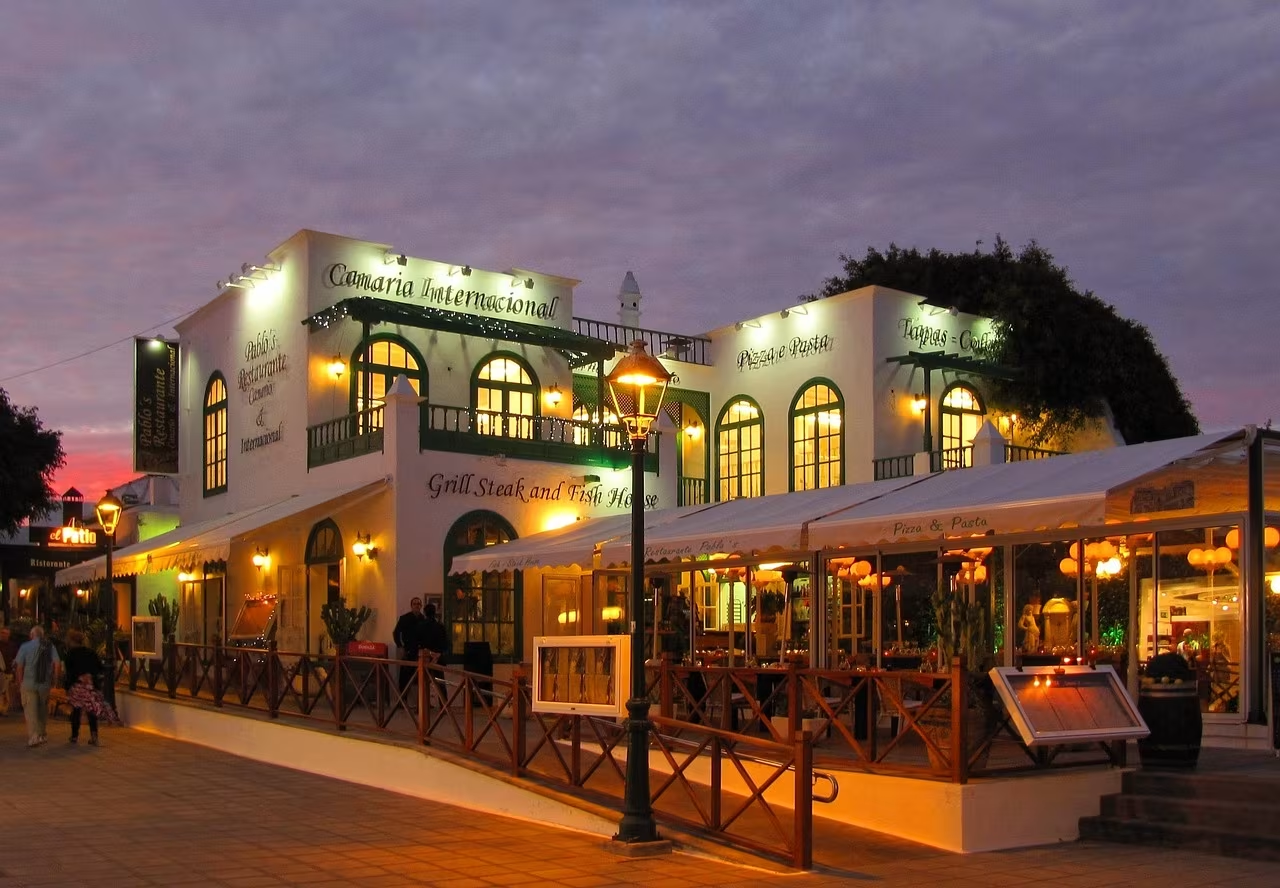
For me, one of the real pleasures of eating out here is the sheer variety on offer. On any given evening in Puerto del Carmen, you might be deciding between fresh local fish, a warming Indian curry, homemade Italian pasta, Mexican tacos or even sushi, all within easy walking distance. It is a real treat for anyone who enjoys good food.
Where the Lanzarote Locals Eat
If you want to experience real Canarian flavours, it is always a good idea to see where the locals go. Around lunchtime, you will notice people heading to Arrecife, the market towns of Teguise and San Bartolome, or the villages of Haria, Yaiza and Uga. Here, family-run restaurants offer the sort of home-cooked dishes that you will not often find on resort menus.
A favourite way to enjoy a proper local lunch is to look for the menu del día, or menu of the day. This usually means two or three courses, often with bread, water and sometimes even a glass of wine, all for a very fair price, usually between 8 and 14 euros. It is how most working people here take their midday break, and the value is excellent. If you see the day's choices written in Spanish on a chalkboard, you have found a good spot.
Scattered across Lanzarote, you will find local social clubs known as sociedades. These are simple, welcoming places where people gather after work to enjoy a homemade meal and catch up with friends over a glass of local wine or a cold beer. Prices are always reasonable, and the menus usually offer straightforward, hearty Canarian dishes such as grilled fish, papas arrugadas and stews that taste just like home cooking. If you notice a sociedad sign in a village or along a quiet street, it is well worth stepping inside and joining the regulars. It is one of the most genuine ways to experience island life, and you will quickly feel at home.
The Taste of Lanzarote Frequently Asked Questions
Papas arrugadas with mojo. No question. After that, go for grilled vieja (parrotfish) with mojo verde, queso asado (grilled goat's cheese), and conejo en salmorejo (rabbit in marinade). For something sweet, bienmesabe (almond cream) is the traditional pick.
Traditional Canarian food leans heavily on meat and fish, but resort restaurants have decent vegetarian options. Papas arrugadas, goat's cheese, salads, grilled vegetables and soups are easy to find. A few dedicated vegan places have opened in recent years, mostly in Puerto del Carmen and Costa Teguise. Italian, Indian and Asian restaurants always have vegetarian dishes too.
Budget: 8 to 12 euros for a menu del dia or a pizza. Mid-range: 15 to 25 euros for a main course at a good restaurant. Upscale: 30 to 50+ euros per head at the finer places. A bottle of local La Geria wine runs 12 to 20 euros in restaurants. Beer is 2 to 3 euros. Overall, eating out here is a good bit cheaper than the UK or northern Europe.
In summer and around Christmas or Easter, booking is a good idea at popular spots, especially in Marina Rubicon, Yaiza and El Golfo. In low season, walk-ins are usually fine everywhere. High-end places and harbour-side restaurants with limited tables should always be booked.
A set lunch menu that most local restaurants offer. You get a starter, main course, dessert, bread, and often a drink, all for a fixed price of 8 to 14 euros. It's the best value eating you'll find in Lanzarote. Available at lunchtime only (usually 12:30 to 15:30) and often written in Spanish on a chalkboard.
At harbour restaurants and proper Canarian places, yes. Often caught that morning. Resort-strip restaurants might use frozen fish, which is fine but it's not the same thing. If freshness matters to you, eat at the Old Town in Puerto del Carmen, El Golfo, Orzola, or anywhere you can see the fishing boats pulled up.