Lanzarote La Graciosa
How to visit La Graciosa island from Lanzarote. Ferry from Orzola, beaches, things to do and whether to rent a bike or walk.
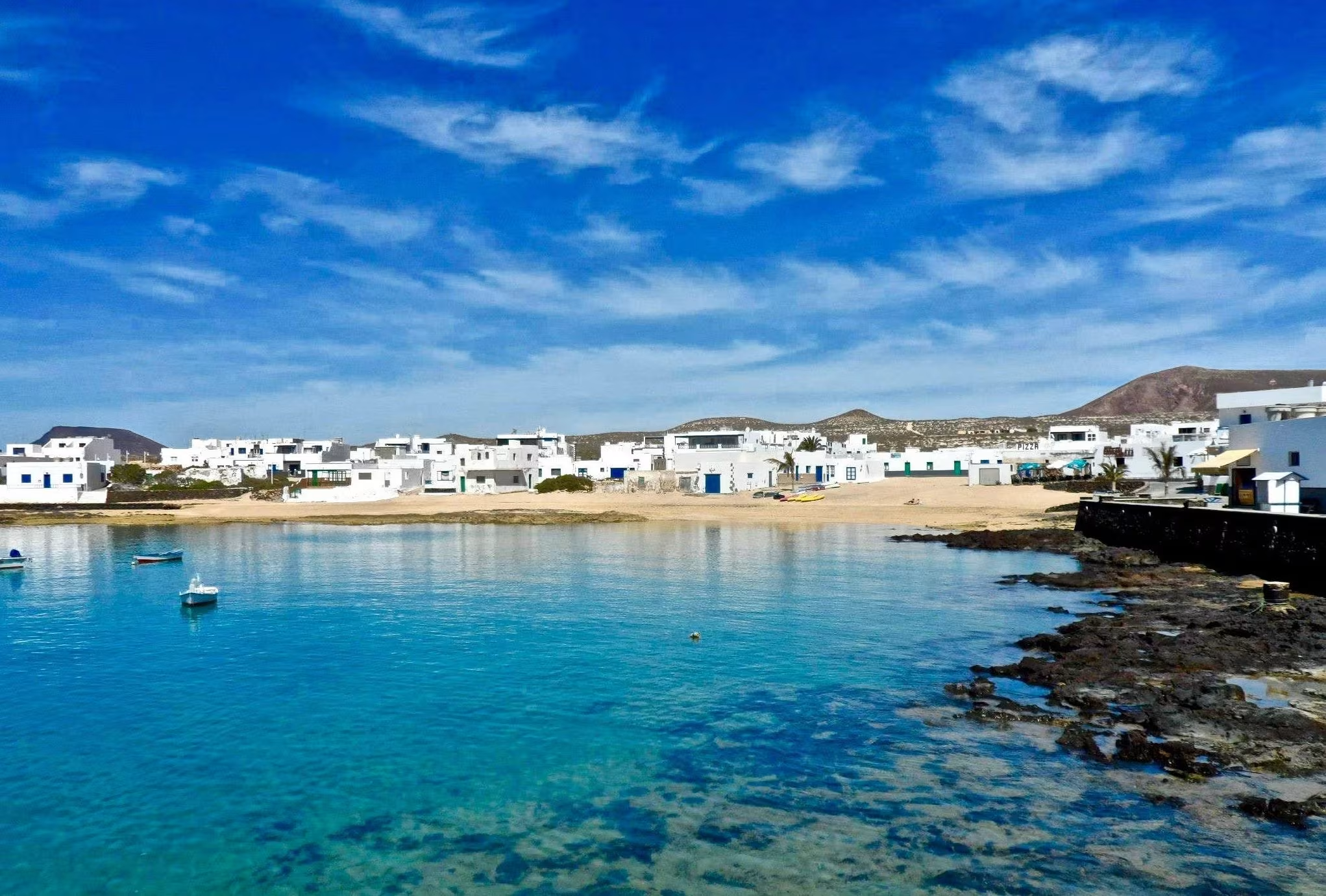
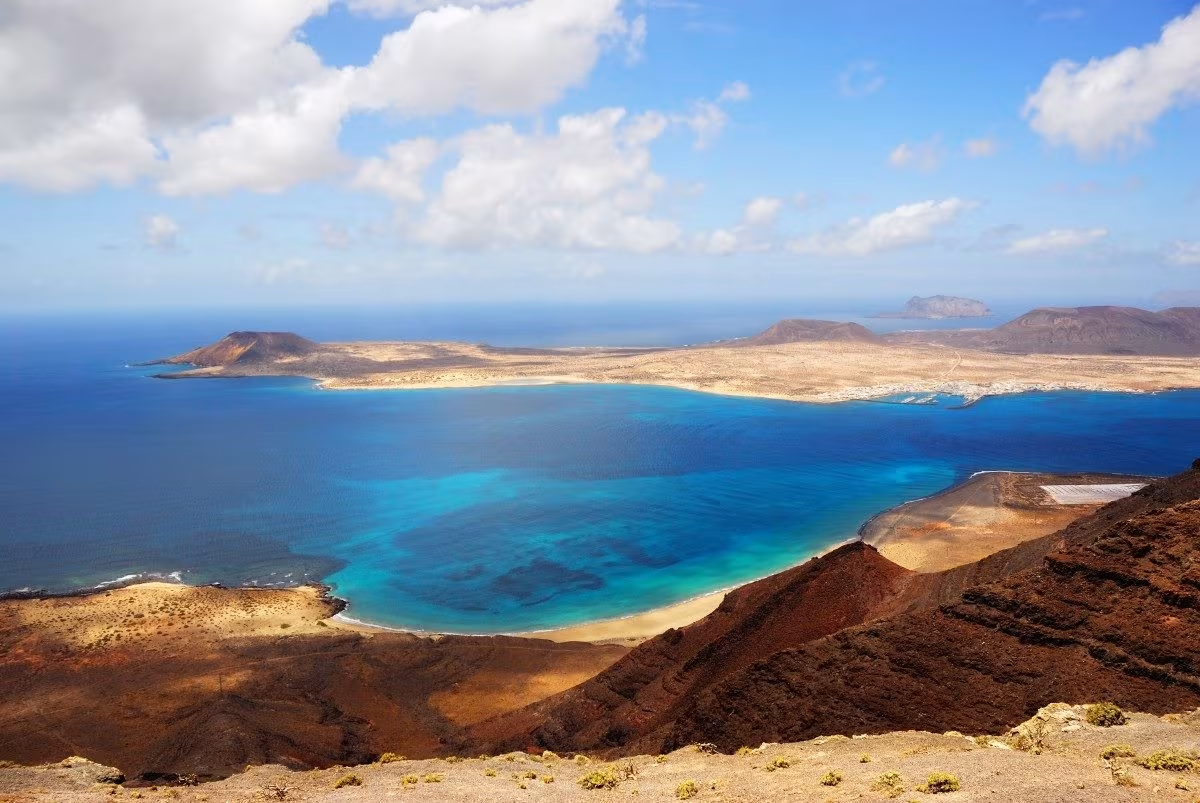
La Graciosa rests just beyond Lanzarote’s northern edge, divided from us only by the slender stretch of water called El Río. Most days, the view from Mirador del Río is crystal clear, and from up on those clifftops you can gaze down and instantly understand why so many are drawn to make the short crossing.
There’s a quiet magic to La Graciosa, a sense that you’ve stumbled upon a place still waiting to be discovered. That untouched feeling is exactly what makes it so special.
Getting to La Gracsiosa
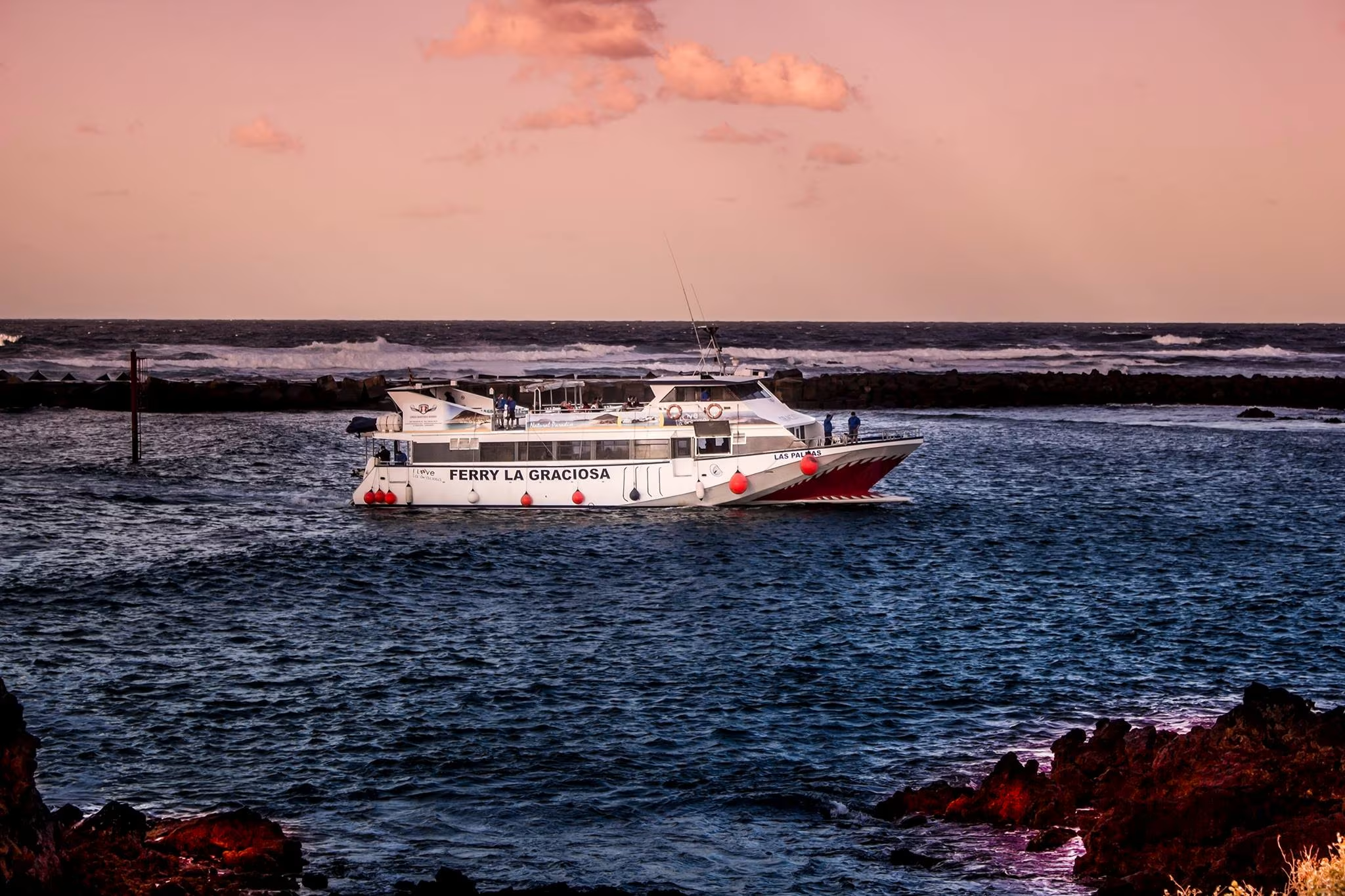
The only way to reach La Graciosa is by sea, which adds to its sense of adventure. Ferries depart from Órzola, a peaceful fishing village tucked away at the northern tip of Lanzarote. If you are staying in one of the main resorts, you can expect the drive up to Órzola to take between 45 minutes and an hour, depending on your starting point. Two local ferry companies, Líneas Romero and Biosfera Express, share the route and offer a frequent service, especially in the busy summer months, with up to 19 sailings each way every day. The journey itself is short, taking about 25 minutes across the water.
Líneas Romero is the more established of the two ferry operators, with deep roots in the community. The Romero family has been making this crossing since the 1960s, when their grandfather Jorge would sail over with the mail and a few passengers in a small boat. In those days, women from La Graciosa would travel to Lanzarote to trade fish for supplies, balancing baskets on their heads and lighting fires on the shore to let the men know it was time to collect them. Things have certainly changed since then, but the crossing still holds a sense of tradition and connection.
If you are planning to visit during the summer or on a holiday, it is a good idea to book your ferry tickets in advance. The boats can fill up quickly, and as there is no other way to reach the island, it is best not to leave it to chance.


Sponsored
A Brief History Of La Graciosa
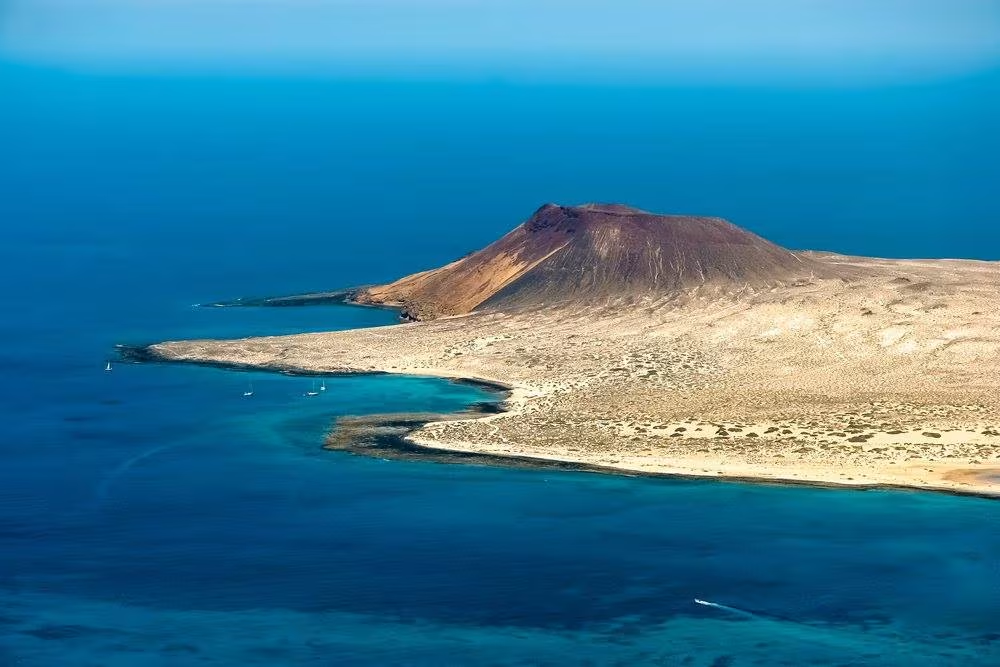
La Graciosa has always been a familiar sight for those of us living on Lanzarote, just across the calm, sheltered waters of El Río. For centuries, sailors have found safe anchorage here, and the island’s quiet presence has shaped many stories. Of course, not all visitors were welcome. Barbary and European pirates once used La Graciosa as a base for their Atlantic raids, which brought more than a little worry to our shores.
When Jean de Béthencourt arrived in 1402 and claimed Lanzarote, he naturally included La Graciosa in his plans. The island even earned a mention in the Treaty of Alcáçovas in 1479, marking its place within the Canaries under Spanish rule. Still, for many years, La Graciosa remained a quiet, almost forgotten neighbour, wonderful for fishing, but far too exposed and dry for anyone to make a permanent home.
It was not until the late 1800s that La Graciosa truly became home to a small community, when a fish salting factory opened its doors at Caleta de Sebo. Many of the first settlers came from Lanzarote, especially from Haría and Teguise, drawn by the promise of work and the island’s quiet beauty. By 1910, a close-knit group of 169 residents called La Graciosa home, and fishing remained at the heart of daily life for generations.
In 2018, La Graciosa was officially recognised as the eighth Canary Island, a moment that meant a great deal to those who call it home. The campaign for recognition began in 2013, led by a determined local, Miguel Ángel Páez, who gathered over 11,000 signatures and worked tirelessly to see it through. While the change is mostly symbolic, La Graciosa remains part of the municipality of Teguise on Lanzarote and does not have its own island council, but it has given the island its own legal identity and a stronger voice. For many of us, it felt like La Graciosa was finally given the recognition it deserves, and its unique character was officially celebrated.
La Graciosa Beaches And The Surrounding Waters
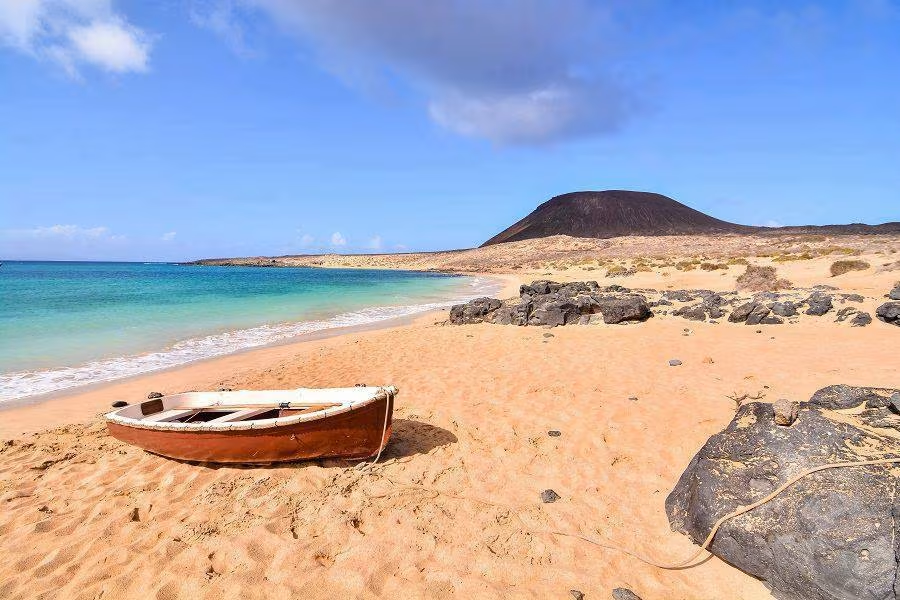
This is what draws so many visitors to La Graciosa, and the island never disappoints.
Playa de las Conchas is the beach everyone seems to mention, and for good reason. Tucked away at the northwestern tip of the island, it is about six kilometres from the ferry port. If you fancy a walk, it will take you a couple of hours, or you can cycle there in under an hour, depending on your pace and the track conditions. The jeep taxis make the journey in about ten minutes. When you arrive, you are greeted by a wide sweep of pale golden sand, framed by the red slopes of Montaña Bermeja and with views across to Montaña Clara and Alegranza. It is the sort of place that leaves visitors speechless. One thing to keep in mind: the currents here are strong and the red flag is often flying, so swimming is rarely safe. Playa de las Conchas is best enjoyed for its beauty, for a peaceful walk, or simply to sit and gaze out at the Atlantic.
If you are hoping to swim, Playa de la Francesa is a wonderful choice. It sits on the southern coast, about three kilometres from Caleta de Sebo, and the walk there is a gentle half hour along a sandy path with lovely views back towards the Famara cliffs on Lanzarote. The beach itself is a stretch of soft white sand, and the water is usually calm and clear. When the tide is high, a small lagoon forms, perfect for snorkelling. This is where many visitors find themselves whiling away the warmest hours of the day.
Just beyond la Francesa, a further fifteen minutes along the path, you will come to Playa de la Cocina, also known as Playa Montaña Amarilla. This small cove nestles at the base of the yellow volcanic cone that gives it its name. The colours here are truly striking: the yellow rock, pale sand and turquoise water create a beautiful contrast. Thanks to the shelter of the volcano, the beach is often much calmer than elsewhere on the island. Outside of the busiest months, it is also a popular spot for nudists.
Playa El Salado is the nearest beach to the village, just a short fifteen-minute stroll from Caleta de Sebo. Right beside it you will find the island’s only official campsite, where you can pitch your tent for free if you arrange a permit in advance.
The waters around La Graciosa are part of the Reserva Marina del Archipiélago Chinijo, the largest marine reserve in Europe at over 70,000 hectares. Established in 1995, it protects the entire Chinijo Archipelago, including La Graciosa and the neighbouring uninhabited islets of Alegranza, Montaña Clara, Roque del Este and Roque del Oeste.
The reserve is a haven for marine life. More than 300 species of seaweed have been recorded here, which is over half of all the seaweed species found in the Canary Islands. Diving in these waters is considered some of the best in the archipelago, with caves, tunnels, coral formations and a colourful variety of fish in clear, unspoilt water.
Commercial fishing of certain traditional species is still permitted under licence. All other extraction of marine life is prohibited.