Lanzarote Fiestas and Traditions
Guide to Lanzarote's fiestas and Canarian traditions. Dia de Canarias, Corpus Christi salt carpets, Fiesta del Carmen, Rancho de Pascua and local celebrations.
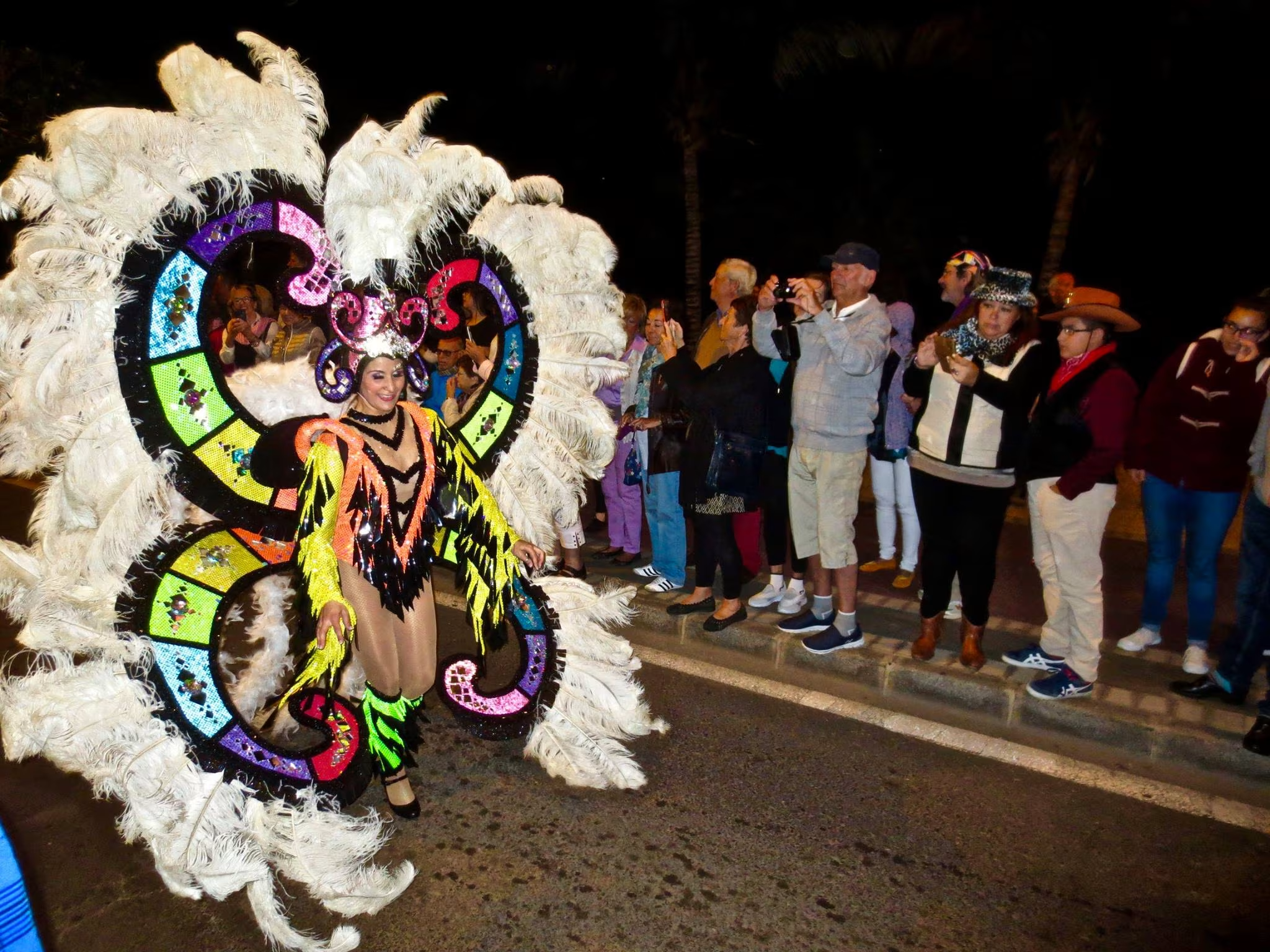
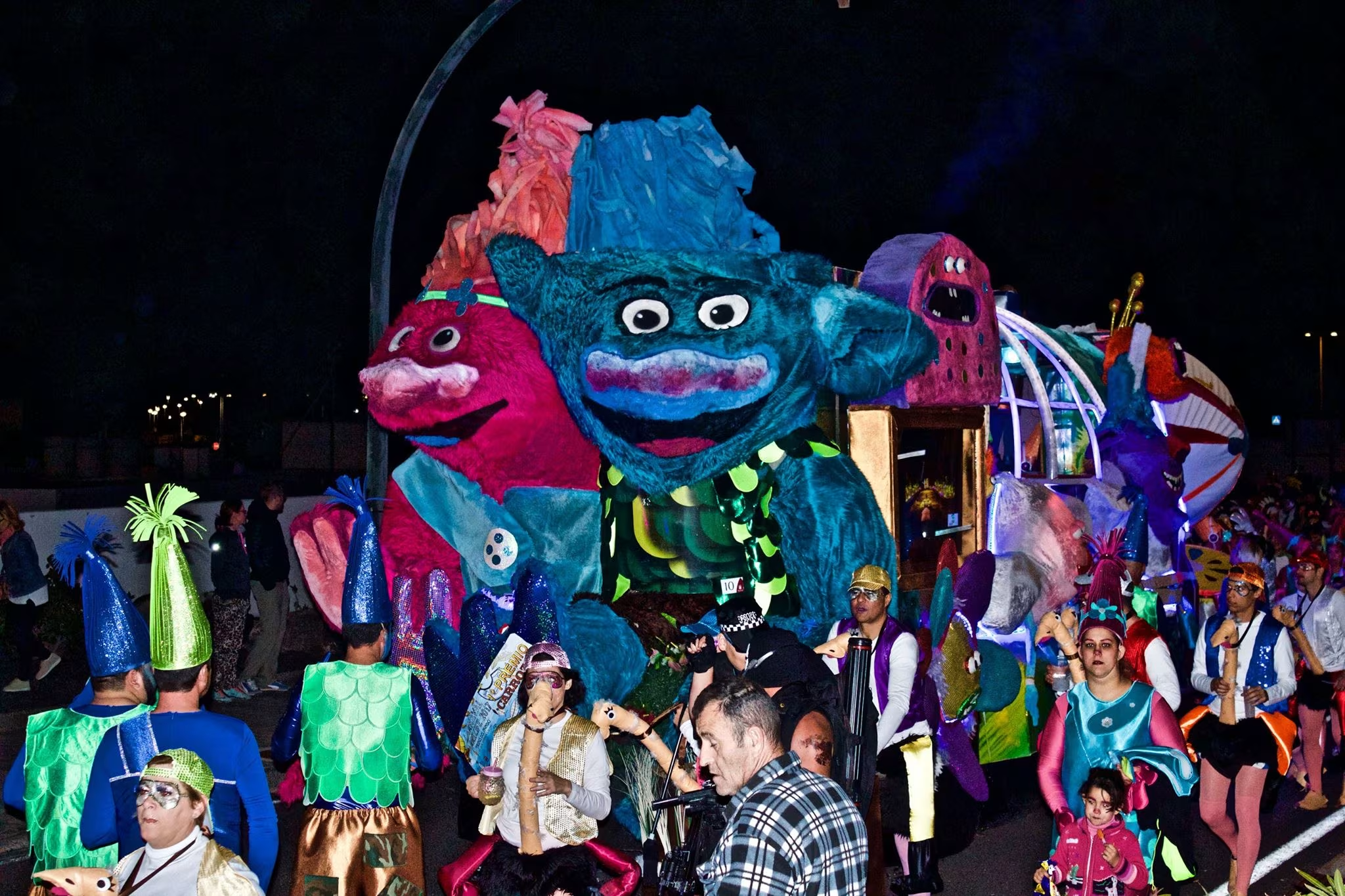
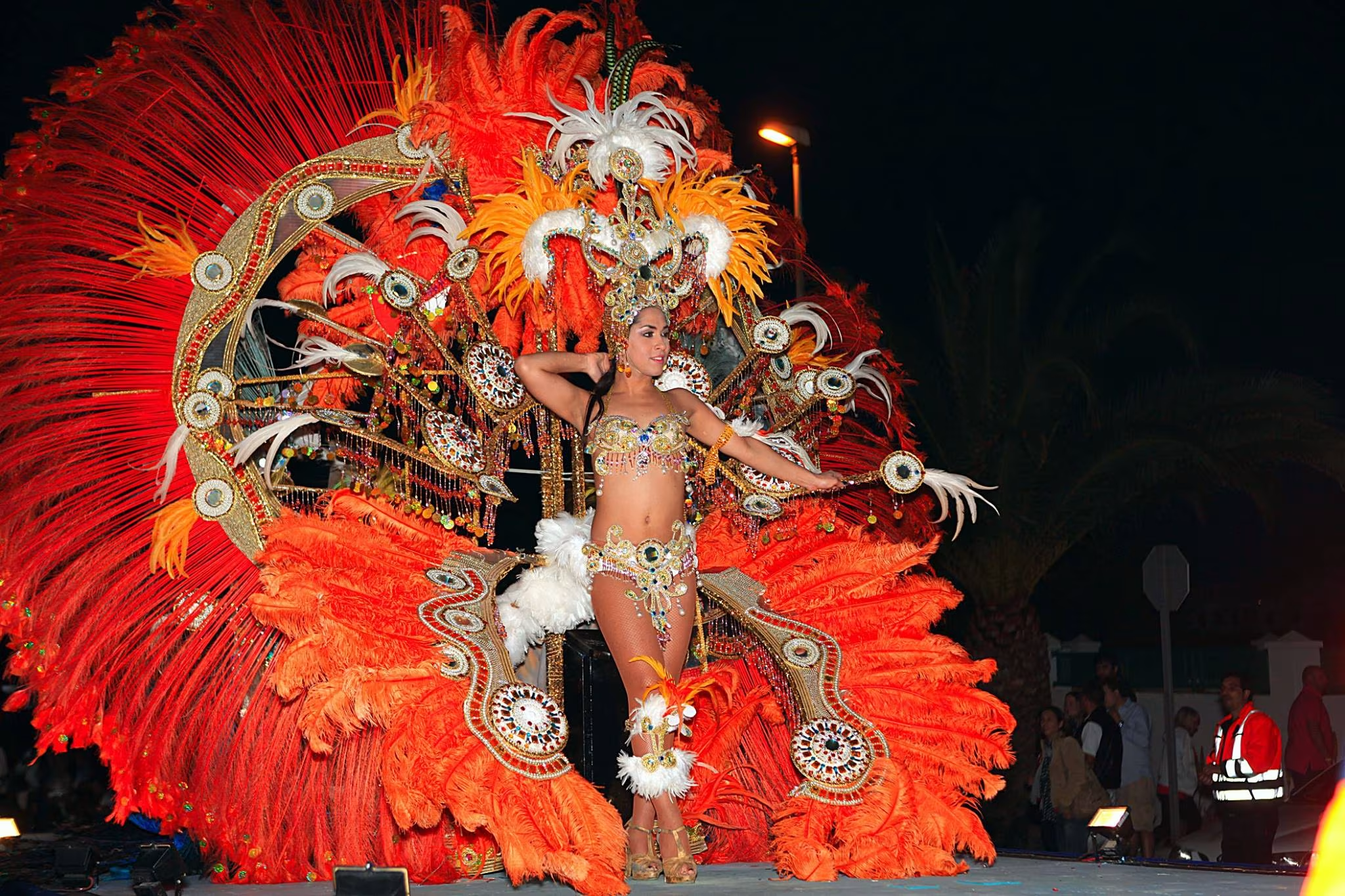
While Carnaval is always a highlight, life on Lanzarote is filled with traditional fiestas and celebrations that reflect the heart of Canarian culture.
Each town and village marks its own special day for their patron saint, and throughout the year, the island comes together for lively events that honour our heritage, faith and the changing seasons.
Celebrating Dia de Canarias (30 May) in Lanzarote
Día de Canarias, or Canary Islands Day, is always a highlight here in Lanzarote. Every year on May 30th, the island takes on a special energy as we come together to celebrate our Canarian roots. There’s a real sense of pride and togetherness, with both locals and visitors joining in to enjoy the festivities.
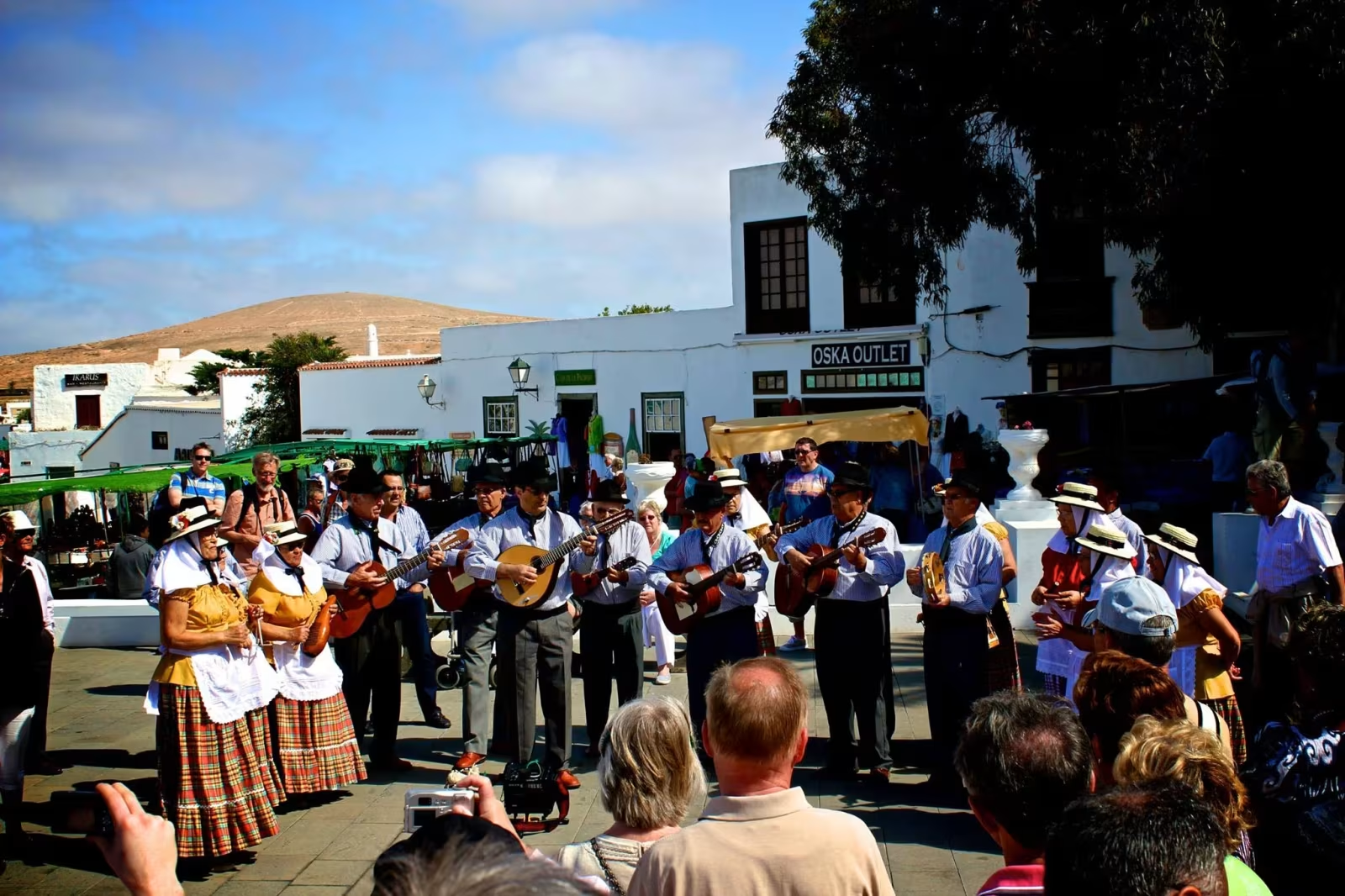
The streets are dressed in colour, and it’s lovely to see families coming together over traditional Canarian dishes. All around Lanzarote, you’ll hear the sounds of timple and guitar, and see folk dancers bringing the plazas to life. There are always a few wrestling matches to watch, and parades of people in their finest folk costumes. The food markets are a real treat, brimming with local cheeses, wines and pastries, and everyone is welcome to sample the best of what Lanzarote has to offer.
Schools and cultural centres welcome everyone in, with exhibitions and workshops that share the stories and traditions of the islands. It’s a great chance for visitors to get involved and learn something new. Whether you’re tasting papas arrugadas, watching a wrestling match, or just enjoying the lively atmosphere, Día de Canarias is a wonderful way to experience the warmth and pride that make Lanzarote so special.

Sponsored
Corpus Christi salt carpets in Lanzarote
Corpus Christi is one of those special times on Lanzarote that marks the change from spring to summer. Each year, the date shifts a little, following the Catholic calendar, but the excitement in the air is always the same. One of the most beautiful traditions here is the making of salt carpets, known locally as alfombras de sal. This custom has been part of island life since the early 1900s and has become the heart of the celebration. In the days leading up to the festival, you’ll see groups of volunteers and local artists working together, carefully creating colourful designs from volcanic salt and sand. The patterns often reflect our island’s heritage, with religious symbols, Canarian motifs, and images of Lanzarote’s unique plants and animals.
On the day of the festival, these intricate salt carpets line the streets along the procession route, ready for the parade to pass by. It’s a moving sight to see the community come together, with both locals and visitors pausing to admire the artistry before the carpets are gently walked over during the procession. While Arrecife and Haría are well known for their celebrations, you’ll find this tradition alive in many towns across Lanzarote. For those of us who live here, Corpus Christi is a true highlight of the year, a time when the island’s community spirit shines and we celebrate a piece of our shared heritage.
Fiesta del Carmen (16 July) in Lanzarote
Each July, the coastal towns of Lanzarote are filled with life and colour as we celebrate the Fiesta de la Virgen del Carmen. Here in Playa Blanca, and in neighbouring Puerto del Carmen and Arrecife, this festival is close to our hearts. The Virgin del Carmen is cherished as the patron saint of fishermen and sailors, and the celebrations are a genuine tribute to Lanzarote’s long-standing bond with the sea.
The heart of the festival is the procession, when the statue of the Virgin is carefully carried from the church to the harbour. Many of us dress in traditional Canarian clothes, and there is always music and laughter in the air. The statue is then placed on a brightly decorated fishing boat, leading a lively flotilla of local vessels along the coast, each one joining in this much-loved tradition.
As the sun sets, the celebrations carry on with live music, fireworks that sparkle above the harbour, and street parties where locals and visitors mingle together. In some places, it is even a public holiday. For many of us, the Fiesta de la Virgen del Carmen is a true highlight of the year, a joyful celebration of Lanzarote’s fishing roots and the close-knit community spirit that makes our island feel like home.
Rancho de Pascua in Lanzarote
Rancho de Pascua is a traditional Christmas practice unique to Lanzarote and other Canary Islands. Groups of musicians, known as Ranchos, travel from village to village during December and early January, performing religious and folk songs. Instruments typically include guitars, timples (a small Canarian string instrument), castanets, tambourines, and sometimes triangles or drums.
The origins of Rancho de Pascua can be traced back to the 16th century, with the tradition evolving from earlier forms of religious singing groups called Ranchos de Ánimas. These performances are recognized as part of the Canary Islands’ intangible cultural heritage. Rancho de Pascua groups often perform in churches, public squares, and private homes, collecting donations that historically went towards prayers for the souls of the deceased.
Today, these performances remain an important aspect of Christmas celebrations on Lanzarote, preserving musical styles and communal customs unique to the region.
Local patron saint fiestas in Lanzarote
On Lanzarote, each village has its own special time of year when everything comes alive for the local fiesta in honour of the patron saint. These fiestas are a much-loved tradition here, and if you have the chance to join in, they really are a highlight of island life. The celebrations usually last several days, with music drifting through the streets, lively dancing, colourful parades, and the mouthwatering scent of traditional food from busy stalls. Children look forward to the fairground rides, and most evenings finish with fireworks lighting up the night sky. On the main day, you will see neighbours dressed in their finest Canarian costumes, carrying the statue of the saint through the streets, with music and a real sense of pride in the air.
Some of the biggest and most lively fiestas are found in Teguise, Yaiza, Tinajo, San Bartolomé and Haría, but every village has its own unique celebration. The dates vary from place to place, though most fiestas take place between June and October, when Lanzarote is at its sunniest and most colourful. If you are planning to visit, it is always worth keeping an eye out for local posters or checking the town hall websites, as the whole community gets involved and the atmosphere is infectious. These fiestas are one of the best ways to experience the real Lanzarote, with neighbours and visitors coming together to celebrate traditions that have been part of island life for generations. Whether you live here or are just passing through, you will always find a warm welcome.