What is Lanzarote Famous For?
Discover what Lanzarote is famous for, from Timanfaya's volcanoes and César Manrique's art to beautiful beaches, local wines, traditional food and sunshine.
WHAT IS LANZAROTE FAMOUS FOR? THE AMAZING THINGS THAT MAKE THIS CANARY ISLAND SO SPECIAL
If you've ever wondered what Lanzarote is famous for, the answer goes far beyond sunshine, beaches and a well-earned holiday cocktail.
This beautiful Canary Island has built a reputation for its extraordinary volcanic landscapes, golden beaches, unique vineyards, fascinating local culture and a style of architecture that blends remarkably well with nature. It is also famous for its warm climate, relaxed atmosphere and ability to offer something for almost every type of holidaymaker.
Whether you're visiting Lanzarote for the first time, returning for your annual winter escape or considering exploring more of the island beyond your favourite resort, there are plenty of reasons why Lanzarote has become such a popular holiday destination.
So, what exactly makes Lanzarote so famous?


Sponsored
1. ITS SPECTACULAR VOLCANIC LANDSCAPE
One of the first things people notice about Lanzarote is that it looks completely different from many other holiday destinations.
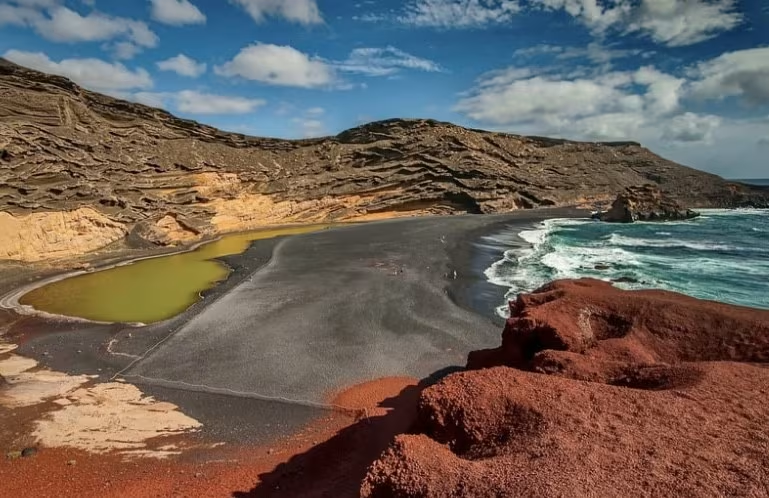
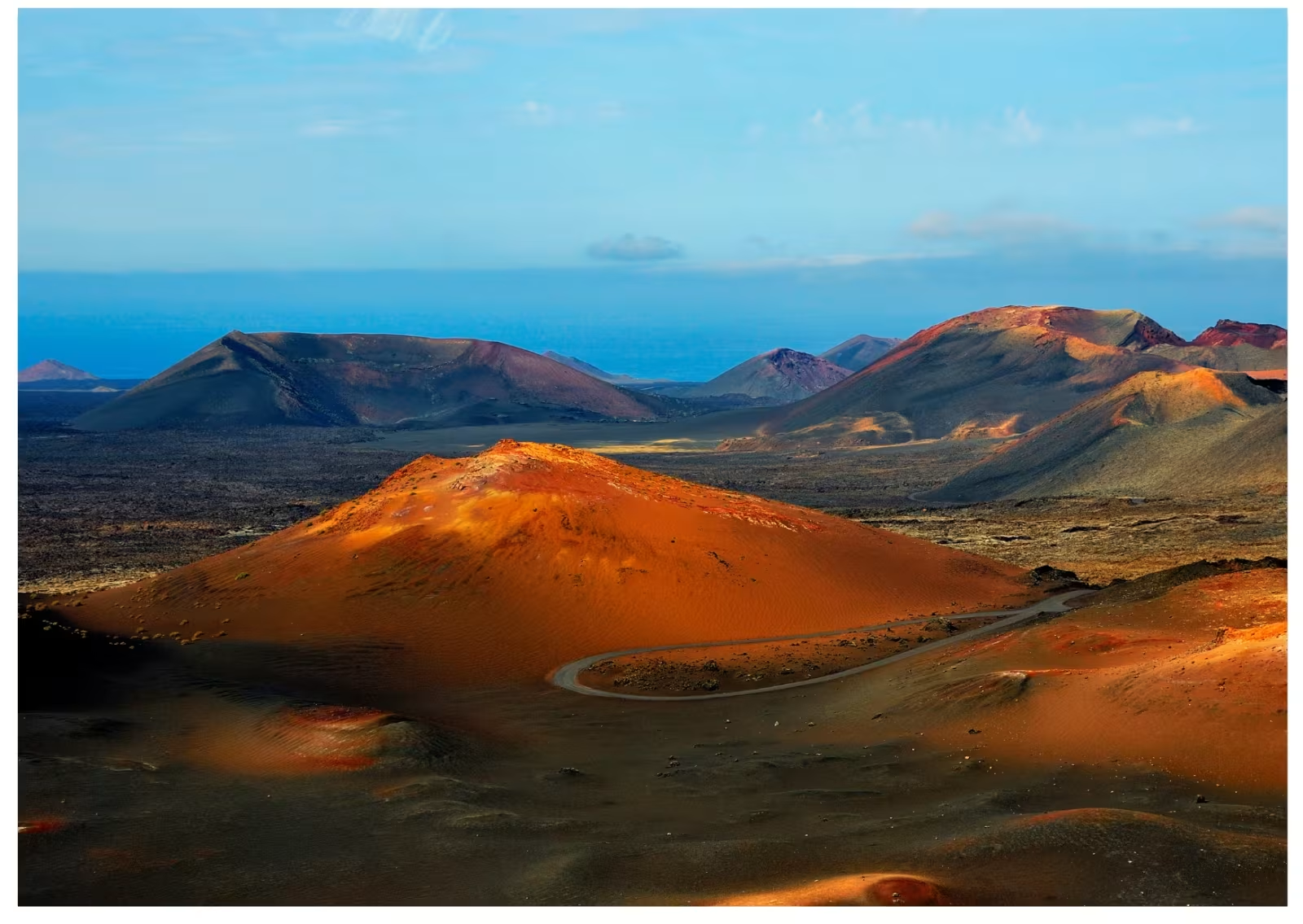
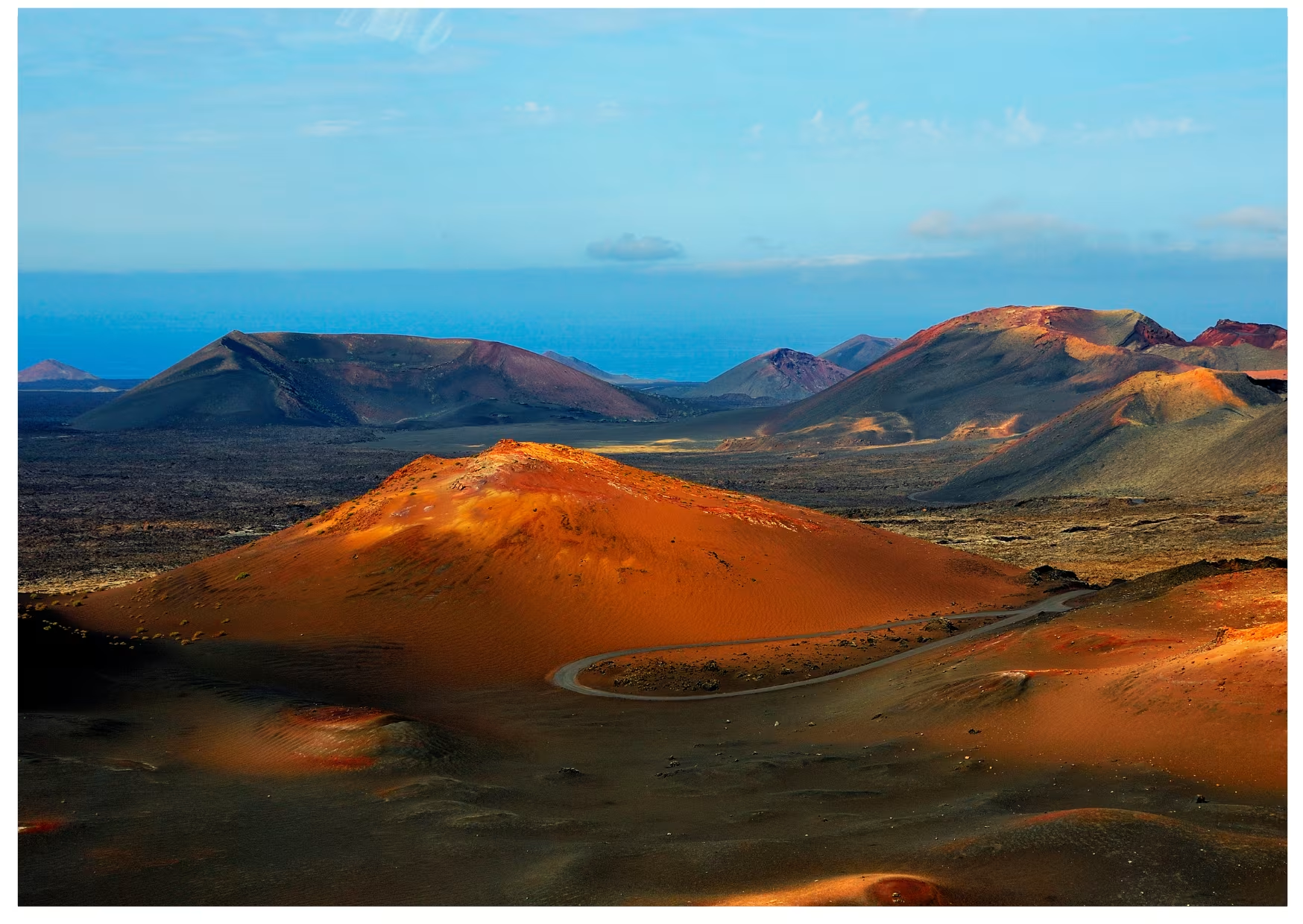
Instead of rolling green hills and dense forests, you'll find vast fields of black lava, volcanic cones, dramatic craters and mountains in shades of red, brown and ochre. In some places, the scenery looks almost otherworldly.
Much of this landscape was shaped by volcanic eruptions, particularly those that took place between 1730 and 1736 and again in 1824. These events transformed large areas of the island and left behind the extraordinary scenery that visitors come to see today.
The most famous place to experience this is Timanfaya National Park, home to the celebrated Mountains of Fire.
Visitors can take a bus tour through the volcanic terrain and witness demonstrations showing just how much heat remains beneath the surface. The landscape is so unusual that it can feel as though you've stepped onto another planet.
For many visitors, Timanfaya is one of the highlights of their entire holiday.
2. TIMANFAYA NATIONAL PARK AND THE MOUNTAINS OF FIRE
Timanfaya deserves a special mention because it has become one of Lanzarote's most recognisable attractions.
The park showcases the power of nature on an extraordinary scale. Rivers of ancient lava, vast stretches of volcanic rock and colourful mountains create a dramatic landscape unlike anything most visitors will have experienced before.
One of its most fascinating features is the geothermal activity beneath the ground. Demonstrations at the visitor area show how intense the remaining underground heat can be.
Nearby, visitors can explore other remarkable volcanic sights, including the green lagoon at El Golfo and the rugged coastal formations at Los Hervideros.
Travel tip: Timanfaya is particularly popular, so consider planning your visit earlier in the day and checking current admission and transport arrangements before setting off.
3. CÉSAR MANRIQUE AND LANZAROTE'S UNIQUE ARCHITECTURE
Another thing Lanzarote is famous for is its distinctive appearance, particularly its traditional white buildings, green or blue details and relatively low-rise development.
Much of this identity is associated with the influence of local artist César Manrique.
Manrique believed that Lanzarote's natural environment should be protected rather than overwhelmed by tourism. His work helped shape the island's approach to architecture, public spaces and visitor attractions, combining artistic creativity with the surrounding volcanic scenery.
Some of the best-known places associated with his legacy include:
• Jameos del Agua: A remarkable volcanic cave complex transformed into an artistic attraction.
• Cueva de los Verdes: An impressive lava tube that visitors can explore on guided tours.
• Mirador del Río: A spectacular viewpoint overlooking La Graciosa and the surrounding sea.
• Jardín de Cactus: A fascinating garden showcasing an extensive collection of cacti.
• Fundación César Manrique: A former home and creative space that demonstrates how architecture can work with the natural landscape.
These attractions help explain why Lanzarote feels so different from destinations where large developments dominate the scenery.
The island's commitment to protecting its environment also contributed to its designation as a UNESCO Biosphere Reserve in 1993.
4. BEAUTIFUL BEACHES AND CRYSTAL-CLEAR ATLANTIC WATERS
Although Lanzarote is famous for its volcanoes, its beaches are equally important to its appeal.
The island offers everything from long stretches of golden sand to sheltered coves, black volcanic shores and exposed Atlantic coastlines popular with surfers.
Some of the most famous beaches include:
Papagayo: A collection of beautiful coves in the south of the island, known for their pale sand and turquoise waters.
Playa de Famara: A spectacular beach backed by towering cliffs, popular with surfers, watersports enthusiasts and anyone who enjoys dramatic coastal scenery.
Playa Grande, Puerto del Carmen: A convenient sandy beach close to restaurants, shops and holiday accommodation.
Playa Blanca: A popular area with attractive beaches, a pleasant promenade and views towards Fuerteventura.
Caletón Blanco: A striking northern coastal area where white sand contrasts with dark volcanic rock and natural pools.
Each beach has its own personality. Some are ideal for relaxing in the sunshine, while others are better suited to walking, photography or watching the Atlantic waves.
It's worth remembering that sea conditions vary around the island. Always pay attention to local flags and warnings, particularly on exposed beaches.
5. YEAR-ROUND SUNSHINE AND WINTER SUN HOLIDAYS
Lanzarote is particularly famous for its mild climate, making it a favourite destination for people looking to escape colder weather at home.
Located off the northwest coast of Africa, the island enjoys relatively mild temperatures throughout the year. Summers are generally warm and dry, while winters are often pleasantly sunny.
This makes Lanzarote attractive to visitors from the United Kingdom, Ireland and mainland Europe, particularly during autumn, winter and early spring.
Unlike some seasonal destinations, many of Lanzarote's main resorts continue welcoming visitors throughout the year.
Puerto del Carmen, Costa Teguise and Playa Blanca all offer a wide range of accommodation, restaurants, entertainment and activities.
Of course, sunshine isn't guaranteed every single day, and wind can influence how warm it feels. Nevertheless, Lanzarote's climate is one of the main reasons people return year after year.
6. LA GERIA AND ITS EXTRAORDINARY VINEYARDS
Did you know that Lanzarote produces wine in a landscape that looks almost impossible to cultivate?
The island is famous for La Geria, its remarkable wine-growing region, where vines grow in individual hollows dug into volcanic ash. Curved stone walls help protect the plants from the wind.
The result is one of the most distinctive agricultural landscapes in Europe.
The black volcanic soil contrasts beautifully with the green vines, creating a patchwork of shapes across the countryside.
Lanzarote is particularly well known for its Malvasía wines, although other varieties are also cultivated.
Visitors can explore local wineries, learn about traditional growing methods and enjoy wine tastings while taking in views of the surrounding volcanic landscape.
It is a wonderful way to discover another side of the island, especially for those who want to venture beyond the main tourist resorts.
7. TRADITIONAL CANARIAN FOOD AND LOCAL SPECIALITIES
Food is another important part of Lanzarote's identity.
Although visitors will find plenty of familiar British and international dishes, the island also has a rich culinary tradition influenced by the wider Canary Islands.
Some local specialities worth trying include:
• Papas arrugadas: Small potatoes boiled in salted water and traditionally served with mojo sauces.
• Mojo rojo and mojo verde: Flavourful sauces made with ingredients such as peppers, garlic, herbs and oil.
• Fresh fish: Atlantic fish prepared in a variety of traditional styles.
• Canarian goat's cheese: Available in different varieties, from fresh to mature.
• Sancocho canario: A traditional fish dish often served with potatoes, sweet potato and mojo.
• Bienmesabe: A sweet speciality typically made with almonds, honey, sugar and egg yolks.
Lanzarote is also known for its locally produced wines, cheeses and other island products.
One of the pleasures of exploring the island is discovering small family-run restaurants and traditional eateries serving dishes that you might not encounter at home.
8. PUERTO DEL CARMEN AND LANZAROTE'S LIVELY HOLIDAY RESORTS
Lanzarote is famous for its variety of holiday resorts, and Puerto del Carmen is one of the best-known.
Located on the southeast coast, Puerto del Carmen combines sandy beaches, a long seafront promenade, restaurants, bars, shops and a lively nightlife scene.
It attracts couples, families, groups of friends and visitors who return year after year.
Costa Teguise is another popular choice, with beaches, watersports and a relaxed holiday atmosphere. Playa Blanca, further south, is known for its promenade, marina and access to the beautiful Papagayo area.
However, Lanzarote is not all about busy resorts.
Visitors looking for somewhere quieter can explore inland villages, rural accommodation and less-developed coastal areas. Places such as Haría, Yaiza and Teguise offer a different perspective on island life.
This contrast between lively holiday centres and peaceful countryside is one of Lanzarote's greatest strengths.
9. ITS CHARMING VILLAGES AND TRADITIONAL CANARIAN CHARACTER
Beyond the beaches and tourist attractions, Lanzarote has a strong sense of local identity.
Traditional villages feature whitewashed houses, quiet squares, historic churches and streets that invite visitors to slow down and explore.
The historic town of Teguise, once the island's capital, is particularly well known for its traditional architecture and Sunday market.
Haría, often associated with its palm-filled valley, offers a greener landscape than many other parts of the island.
Yaiza is another attractive village, with carefully maintained streets and easy access to some of the island's most impressive volcanic scenery.
Meanwhile, Arrecife, Lanzarote's capital, offers shopping, cultural attractions, historic buildings and the picturesque Charco de San Ginés.
Exploring these places helps visitors understand that Lanzarote is not simply a holiday resort. It is a living island with its own history, traditions and communities.
10. ITS SPECTACULAR SUNSETS AND DRAMATIC COASTLINE
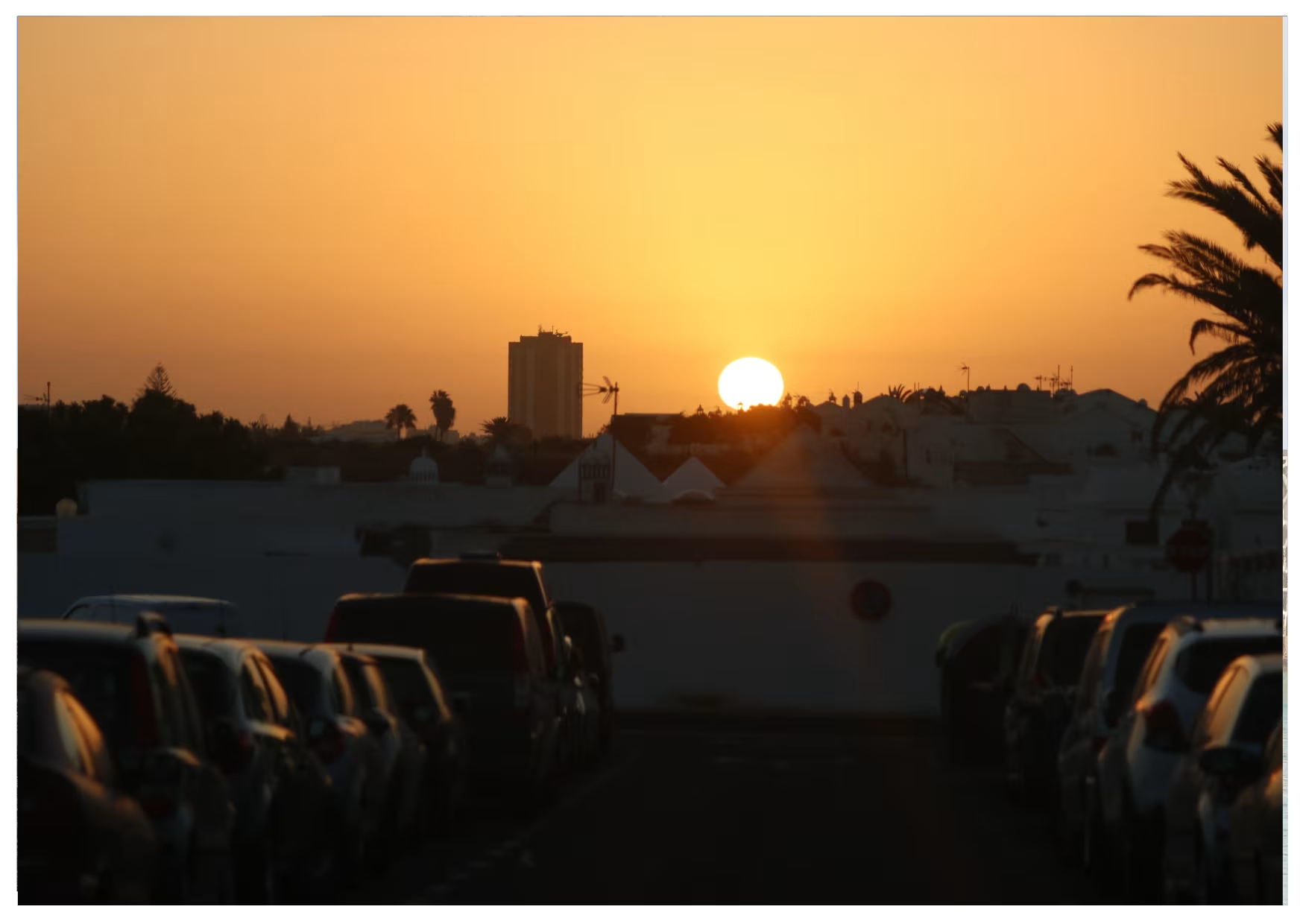
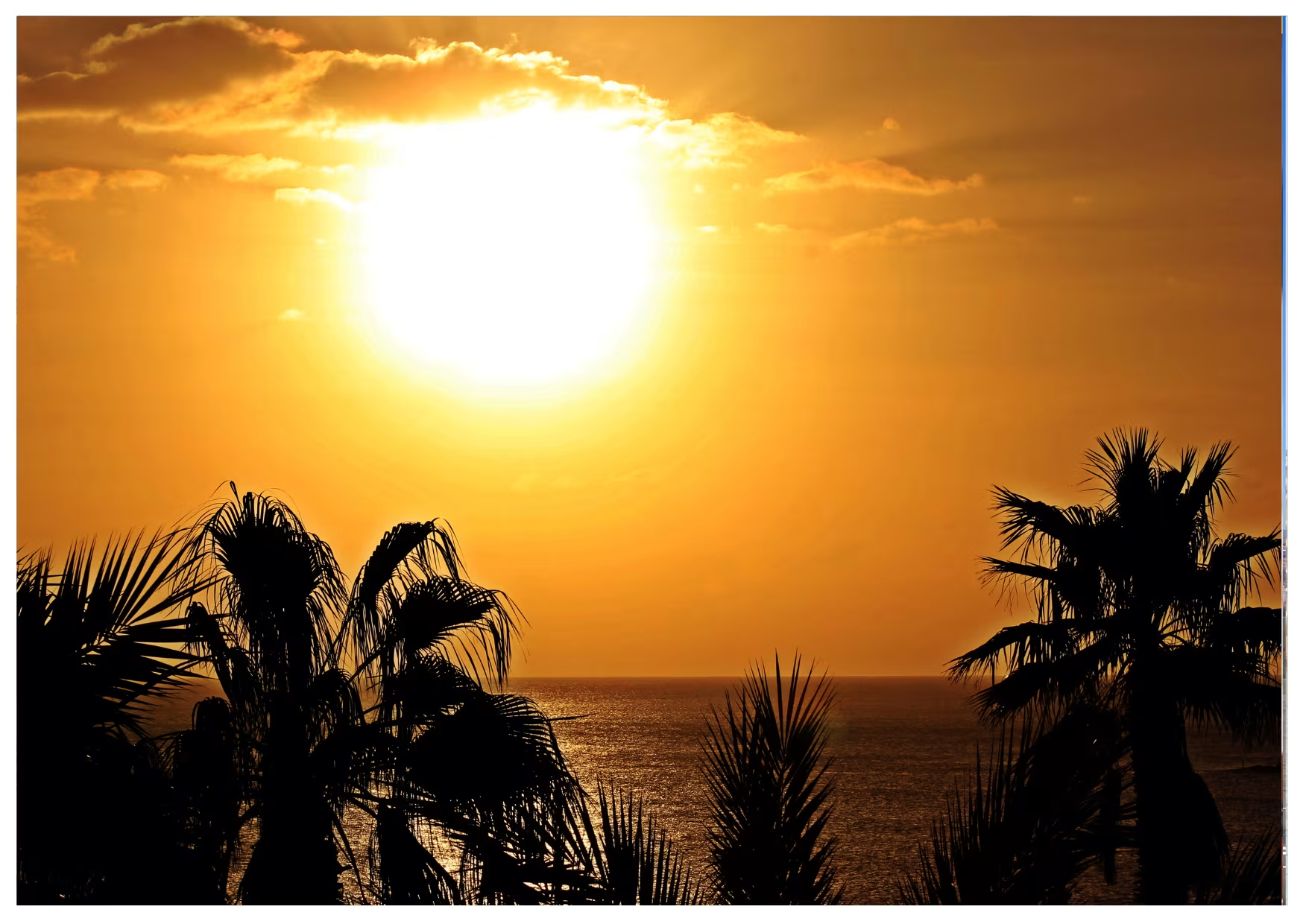
Lanzarote is also famous for its sunsets.
As the sun drops towards the Atlantic, the volcanic landscape can take on extraordinary shades of orange, red and purple. The contrast between the dark lava, white buildings and blue sea makes the island particularly photogenic.
The west coast is especially rewarding for sunset views, with places around Famara, El Golfo and the surrounding coastline offering dramatic scenery.
Los Hervideros is another striking location, where waves crash against the volcanic cliffs and rush through openings in the rock.
For visitors who enjoy photography, evening walks or simply sitting somewhere peaceful with a view, Lanzarote offers countless opportunities to enjoy the changing light.
11. OUTDOOR ACTIVITIES, SURFING AND DIVING
Lanzarote's landscape and climate make it an excellent destination for outdoor activities.
The island attracts surfers, cyclists, walkers, runners, sailors and divers throughout the year.
Famara is particularly famous for surfing and other watersports, while the island's roads and volcanic terrain attract cyclists seeking challenging routes.
Underwater, Lanzarote offers opportunities to discover Atlantic marine life and volcanic formations. The Museo Atlántico, an underwater sculpture museum off the coast of Playa Blanca, is another unusual attraction for qualified divers who meet the relevant requirements.
Boat trips, kayaking, snorkelling and excursions to nearby islands provide further ways to experience the surrounding ocean.
Whether you prefer an active adventure or something more leisurely, there is plenty to do beyond the traditional beach holiday.
12. ITS CONNECTION WITH THE SEA AND THE NEIGHBOURING ISLANDS
Lanzarote is well positioned for exploring the wider Canary Islands.
One of the most popular excursions is to La Graciosa, a small neighbouring island known for its quiet atmosphere, sandy tracks and beautiful beaches.
Ferries connect Lanzarote with La Graciosa from Órzola in the north, making it possible to enjoy a day trip.
There are also ferry connections to other Canary Islands, including Fuerteventura, which is particularly convenient for visitors who want to combine destinations during a longer stay.
For travellers who have visited Lanzarote several times, island hopping can be a great way to add something new to a familiar holiday.
13. A RELAXED ATMOSPHERE THAT KEEPS VISITORS COMING BACK
Perhaps one of the hardest things to describe about Lanzarote is the feeling people associate with being here.
For some, it is the sunshine and the opportunity to spend time outdoors. For others, it is the friendliness of familiar local businesses, the freedom to explore at their own pace or the simple pleasure of sitting beside the sea.
Many visitors develop favourite restaurants, beaches, bars and walking routes. Over time, a holiday destination can begin to feel like a second home.
Lanzarote offers plenty of choice, whether someone wants lively evenings, family activities, peaceful countryside or days spent discovering the island's natural beauty.
That combination helps explain why so many holidaymakers return year after year.
SO, WHAT IS LANZAROTE MOST FAMOUS FOR?
If you had to choose just a few things, Lanzarote is best known for its extraordinary volcanic scenery, Timanfaya National Park, the artistic legacy of César Manrique, beautiful beaches, unique vineyards and mild year-round climate.
But its appeal lies in how all these things fit together.
You can spend one day exploring lava fields, another relaxing on a golden beach, another tasting wine among volcanic vineyards and another wandering through traditional villages.
And you can do all of that without travelling to a different country.
Lanzarote is more than a sunshine destination. It is an island of contrasts, where nature, culture, food and relaxation come together to create a holiday experience that is difficult to replicate elsewhere.
Whether you're planning your first visit or returning for the tenth time, there is always another corner of Lanzarote waiting to be discovered.
FREQUENTLY ASKED QUESTIONS ABOUT LANZAROTE
What is Lanzarote most famous for?
Lanzarote is best known for its volcanic landscapes, Timanfaya National Park, beautiful beaches, César Manrique's artistic creations and the unusual vineyards of La Geria.
Why is Lanzarote so popular with tourists?
Its mild climate, varied attractions, beaches, restaurants, outdoor activities and range of accommodation make it popular with couples, families and solo travellers throughout the year.
What food is Lanzarote famous for?
Popular local specialities include papas arrugadas with mojo, fresh Atlantic fish, Canarian goat's cheese, sancocho and local Malvasía wine.
What is the prettiest part of Lanzarote?
Beauty is subjective, but Papagayo's coves, the volcanic scenery of Timanfaya, Famara's dramatic coastline, the vineyards of La Geria and the valley around Haría are among the island's most celebrated landscapes.
Is Lanzarote worth visiting outside summer?
Yes. Lanzarote is a popular year-round destination, particularly for winter sun holidays. Its mild climate allows visitors to enjoy beaches, sightseeing and outdoor activities during much of the year, although occasional rain and windy weather are possible.
How many days do you need to explore Lanzarote?
A week gives many visitors enough time to enjoy their resort, visit the major attractions and explore different parts of the island. A shorter break can still be rewarding, while two weeks allows for a more relaxed pace and additional excursions.
Planning a trip to Lanzarote? Explore more of our destination guides for advice on the best places to visit, beaches to discover, local food to try and experiences that will help you make the most of your holiday.