Lanzarote Carnaval
Complete guide to Carnaval in Lanzarote. History, traditions, annual themes, resort-by-resort events, parades, costumes and street parties across the island.
Carnaval is truly the highlight of the Lanzarote year, and it is a time we always look forward to. Each spring, the island comes alive for weeks on end, with every town and village joining in the festivities. Streets fill with colourful parades, dazzling costumes, lively music and dancing that carries on late into the night. It is a wonderful time to experience the real spirit of Lanzarote.
Carnaval is loud, joyful and bursting with colour, and best of all, everyone is welcome to join in. If you find yourself on Lanzarote during this special season, you will be swept up in the celebrations, and I promise, you would not want it any other way.
The history of Carnaval in the Canary Islands
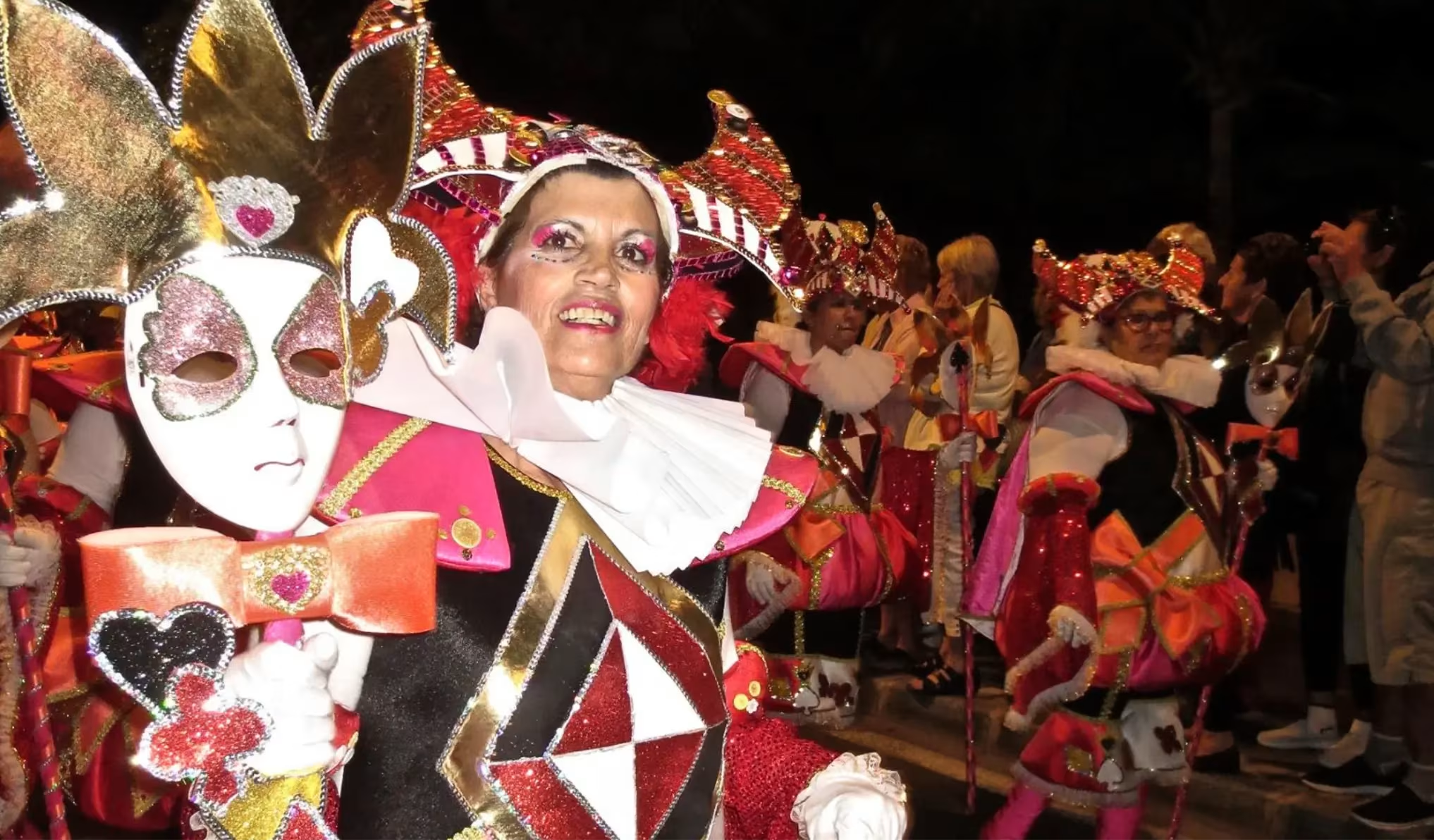
Carnaval has been part of life in the Canary Islands for centuries, ever since the first Spanish and Portuguese settlers brought their traditions here in the 15th century. Rooted in the Catholic calendar, it marks those joyful days of feasting and celebration before Lent begins.
Here in the Canaries, Carnaval soon became something unique. Thanks to our islands’ place at the crossroads of Europe, Africa and the Americas, the celebrations picked up colourful influences from all over the world. By the 18th and 19th centuries, rhythms, costumes and traditions from places like Brazil, Cuba, Venezuela and the Caribbean had all found their way into our festivities, giving Canarian Carnaval a spirit and style all its own—quite unlike anything you’ll find on the Spanish mainland.
During the years of the Franco dictatorship, Carnaval was officially banned throughout Spain. But here in the Canary Islands, people found ways to keep the spirit alive, sometimes celebrating quietly behind closed doors or calling it a 'winter festival.' When the ban was finally lifted, the islands burst back into full, joyful celebration. That sense of resilience is part of what makes Carnaval so special here. For us, it is much more than just a party—it is a proud expression of who we are.


Sponsored
Why Carnaval is so important to conejeros (people of Lanzarote)
Carnaval is woven into the very fabric of life here in Lanzarote. It is, without question, the most important celebration on the island, and you can feel the anticipation building for months beforehand. All across Lanzarote, families, friends and neighbourhood groups, known locally as comparsas or murgas, pour their energy into creating costumes, practising dance routines and dreaming up witty songs. The murgas are especially close to local hearts, as they bring a uniquely Canarian sense of humour to the stage, poking fun at politicians and the year’s events. Even if your Spanish is a little rusty, the laughter and energy are infectious.
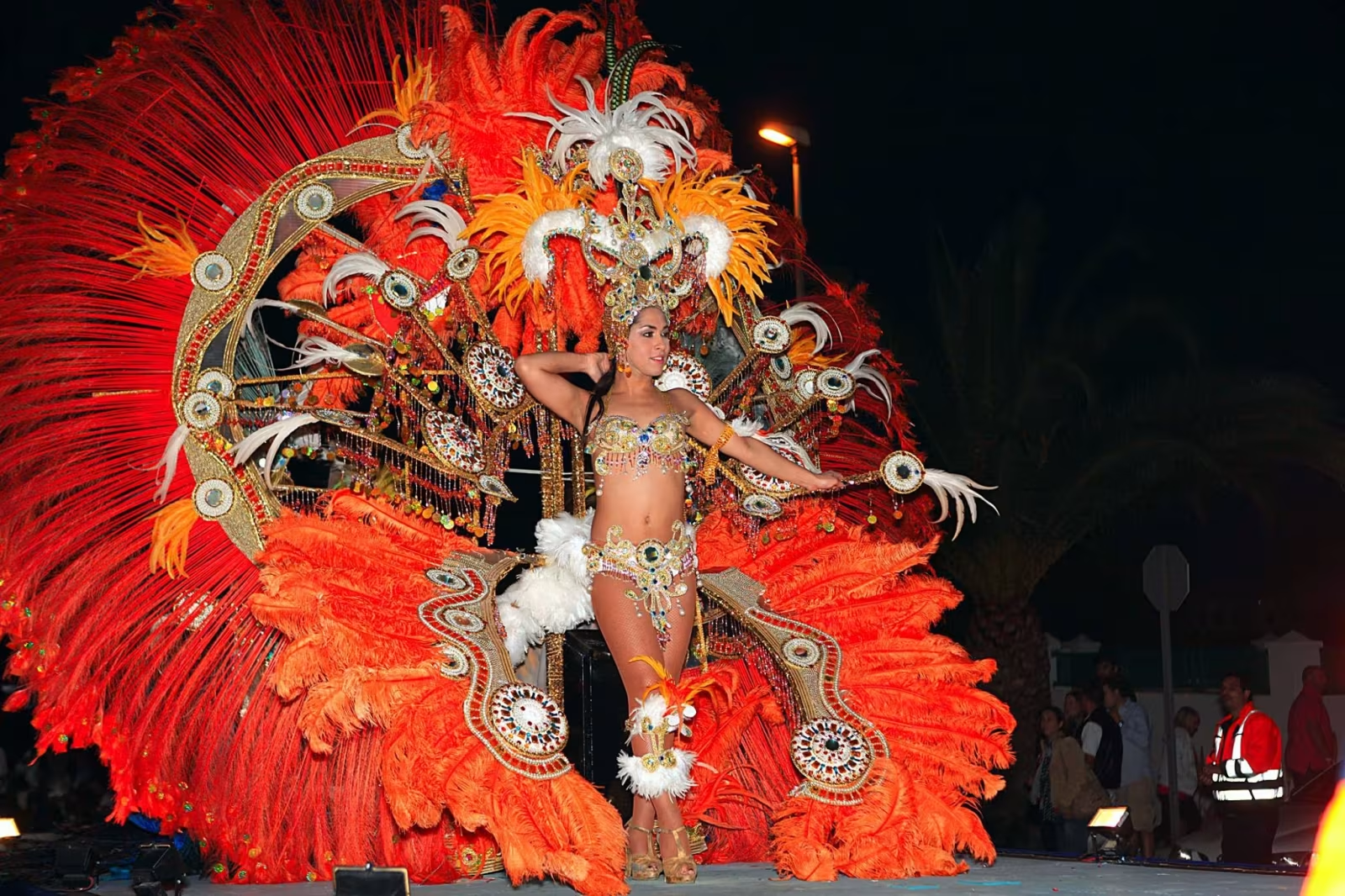
For those of us who call Lanzarote home, Carnaval is all about coming together. It is the one time each year when everyone, young and old, locals and newcomers, joins in the fun. Grandparents don costumes alongside their grandchildren, and the whole town seems to pause as shops close and streets fill with music and colour. The dedication behind the costumes, especially for the Queen and Drag Queen galas, is truly something to behold. Designers spend months crafting spectacular creations, some weighing as much as a person. It is a labour of love, and it matters deeply to everyone involved.
Annual Carnaval themes in Lanzarote
Every year, each town on Lanzarote chooses a special theme for Carnaval, and it is always a delight to see how much creativity goes into it. The chosen theme inspires everything, from the colourful parade floats and lively comparsa costumes to the stage backdrops and all the artwork you see around town. The ideas are usually broad and full of imagination. Over the years, we have seen everything from The Roaring Twenties and Under the Sea to Bollywood, Ancient Egypt, The Jungle, Outer Space, Hollywood, The Caribbean and Fairy Tales.
Arrecife, being the island’s capital, always leads the way by revealing its theme first. After that, the resort towns pick their own themes, and it is always interesting to see whether they follow Arrecife’s lead or go in a completely different direction. One of the real pleasures of Carnaval here is watching how each town brings its chosen theme to life. Some places go all out with glamorous costumes, while others add a playful twist. The themes are usually announced by December or January, so if you are thinking of joining in and making your own costume, you will have plenty of time to get creative.
When is Carnaval in Lanzarote?
Carnaval is a lively time here on Lanzarote, stretching from late February into March as each town takes its turn to celebrate on different weekends. Arrecife leads the way with the island’s largest festivities, and then the party spirit moves on to the resort towns. The whole season can last four to six weeks, so wherever you are, you are likely to find colourful parades or music filling the air. The dates change a little each year, as they follow the timing of Easter and the beginning of Lent.
The main Lanzarote Carnaval events
Carnaval is celebrated in every town across Lanzarote, each with its own unique flair, though the traditions remain much the same. Festivities usually begin with the Pregon, a lively opening ceremony where a well-known local steps up to welcome everyone and set the tone for the days ahead. One of the highlights is always the Gala de la Reina, where contestants take to the stage in breathtaking costumes that are true works of art. Some of these creations are so large and intricate that it takes a whole team to help bring them to life. Months of hard work go into every detail, and the evening itself is a feast for the senses, with music, dancing and colourful lights filling the air.
Another favourite is the Gala Drag Queen, which always draws a big crowd and plenty of excitement. The performers put on a dazzling show, with bold costumes and lively routines that never fail to impress. While Gran Canaria’s Drag Queen gala is famous around the world, we are proud of our own vibrant celebration here in Arrecife, which brings the community together and is even shown on local TV.
The heart of Carnaval is the Gran Coso, or Grand Parade. Colourful floats and dance troupes make their way through the streets to the rhythm of lively music, while crowds of locals and visitors alike join in the fun, many dressed in their own imaginative costumes. The parade usually takes place in the evening, and the celebrations spill out into the night, with music and laughter carrying on until the early hours.
Carnaval comes to a close with the Entierro de la Sardina, or Burial of the Sardine. This quirky tradition sees a giant sardine made of papier-mache carried through the streets in a playful funeral procession, with mourners dressed in black and putting on a show of dramatic wailing. The sardine is then set alight by the sea, marking the end of the festivities and the start of Lent. It is a wonderfully light-hearted way to say farewell to the season, blending humour with deep-rooted tradition.
What to expect from Carnaval in Lanzarote
Dressing up is all part of the fun here, and you will find that everyone joins in. In the weeks leading up to Carnaval, colourful fancy dress shops appear all over Lanzarote, offering everything from elaborate costumes to simple, playful accessories. It is easy to find something to suit your style and budget, no matter which resort you are staying in. Friends and families often plan their outfits together, and there is a wonderful sense of creativity in the air. If you are wondering how far to go, rest assured that at Carnaval, the more imaginative and vibrant, the better.
The streets come alive with music, laughter and colour as the parties stretch late into the night. Early on, families gather to enjoy children’s parades and afternoon activities, and there is a real sense of community as everyone comes together. As the evening unfolds, live bands, DJs, food stalls and pop-up bars create a lively, festive atmosphere that only grows as the hours pass. By midnight, the energy is truly unforgettable. Best of all, everyone is welcome and there is no charge to join in the celebrations.
Carnaval in Arrecife
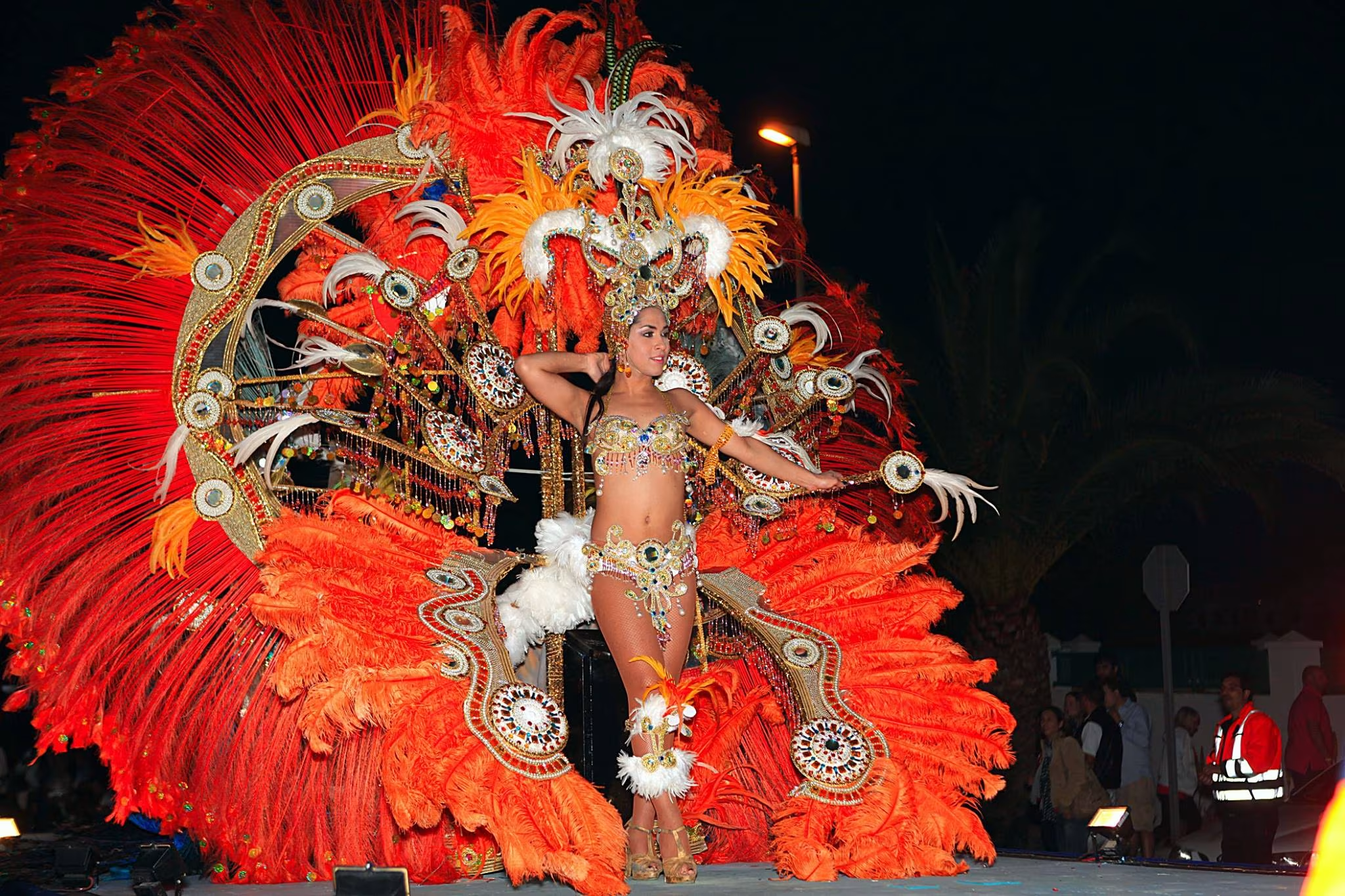
Arrecife Carnaval is where it all beings.
As the island’s capital, it puts on a celebration that feels both grand and welcoming, with a week-long programme that locals and visitors alike look forward to every year. The Gran Coso parade winds its way through the heart of the city, filling the streets with colour, music and a wonderful sense of togetherness. The Queen Gala and Drag Queen Gala are always a spectacle, drawing crowds to open-air venues and showcasing the creativity and spirit of the island. If you are planning to experience Carnaval here, Arrecife is the place I always recommend.
Carnaval in Puerto del Carmen
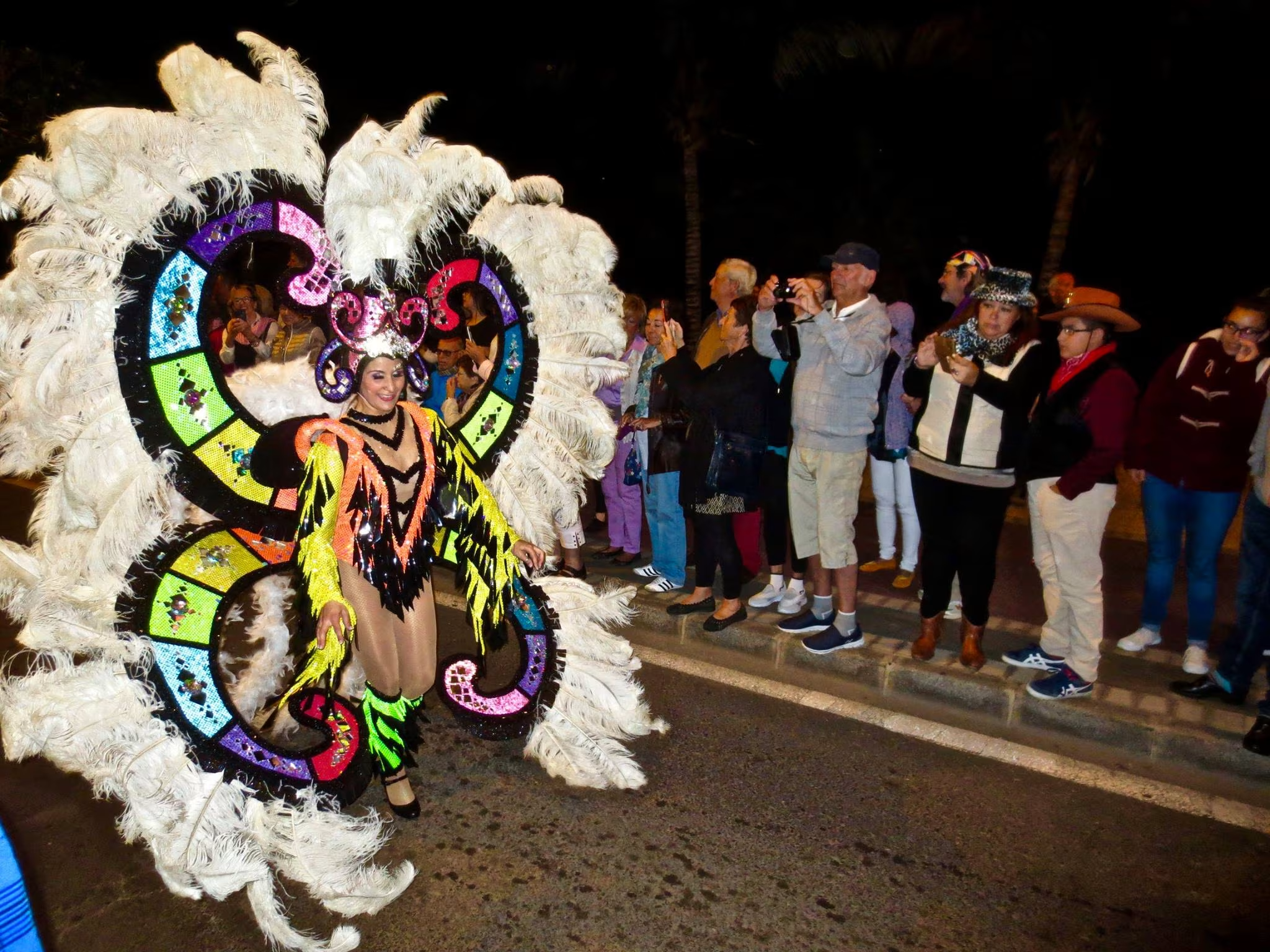
Puerto del Carmen celebrates its Carnaval a week or two after the festivities in Arrecife, bringing colour and music to the Avenida de las Playas, our lively seafront promenade. The parade winds its way along the coast before the celebrations spill into the old town, where the party continues into the evening.
Although smaller than Arrecife’s, the atmosphere at Puerto del Carmen Carnaval is wonderfully relaxed and welcoming, perfectly in tune with the spirit of the resort. Locals and visitors come together, filling the promenade with laughter and dancing, and for anyone staying in Puerto del Carmen, it is by far the easiest way to experience the joy of Carnaval.
Carnaval in Costa Teguise
Costa Teguise, Carnaval celebrations come alive around the Pueblo Marinero square and the nearby streets, creating a real sense of community. This is known as the most family-friendly Carnaval on the island, and it is easy to see why.
The afternoon brings a colourful children's parade, while the evening welcomes the main parade for adults. The square fills with the sounds of live music, tempting aromas from food stalls, and a gentle, relaxed party spirit. If you are visiting with children, this is the celebration I always recommend.
Carnaval in Playa Blanca
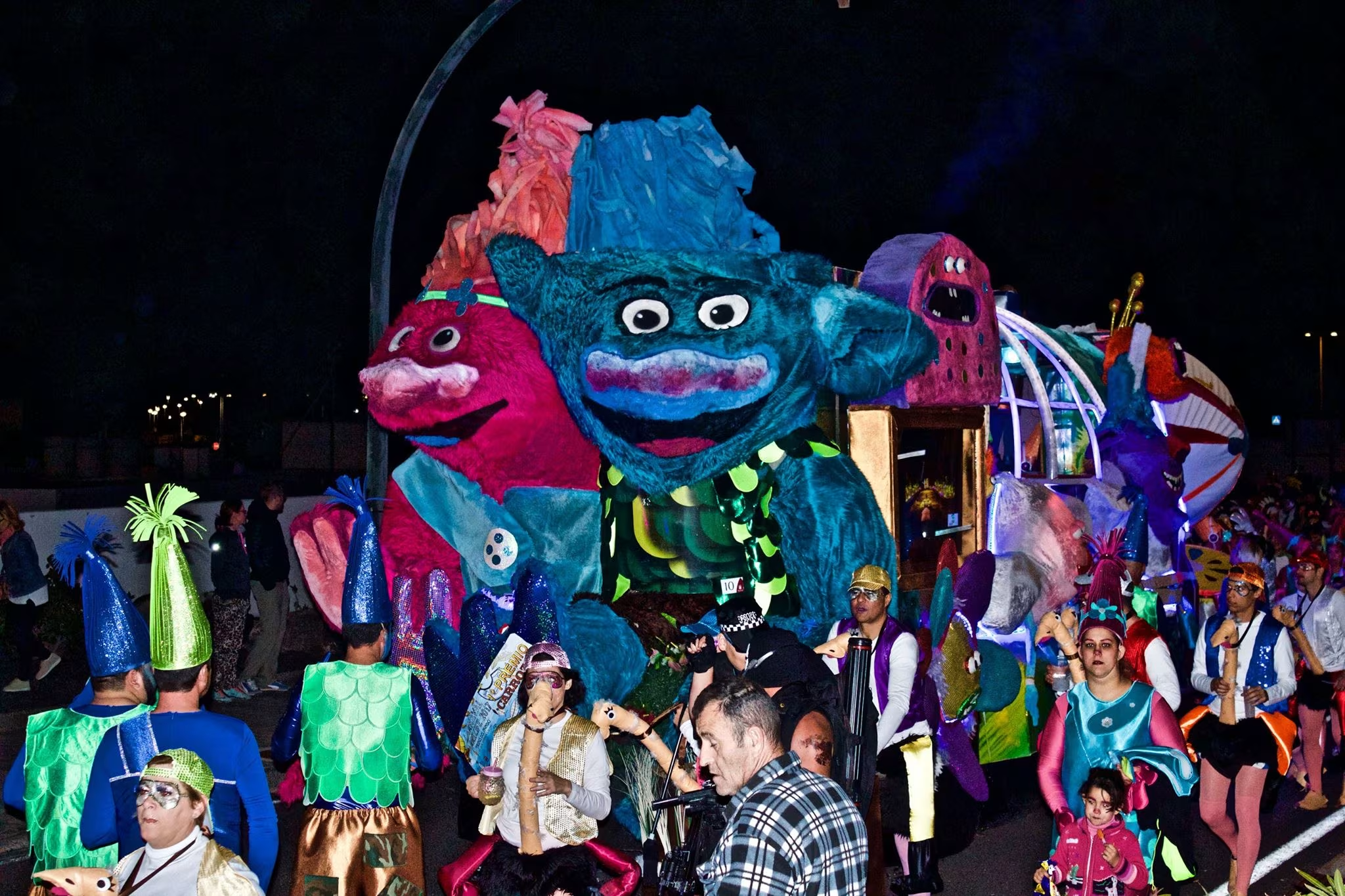
In Playa Blanca, Carnaval tends to arrive a little later than elsewhere on the island, usually gracing us with its colour and energy in late March. The celebrations here are on a smaller, more intimate scale, perfectly in keeping with the relaxed and peaceful spirit that makes our resort so special.
The parade winds its way through the heart of town, drawing everyone together before the festivities spill into the Town Square and around the Papagayo Commercial Center, where the celebrations continue well into the evening.
Carnaval in the traditional towns
Here on Lanzarote, the inland towns of Teguise, Haría, and Tinajo each put their own stamp on Carnaval. These are smaller, more intimate celebrations, full of genuine Canarian spirit, and you will notice straight away that they feel much less touristy than the big resort Carnavals.
Teguise’s Carnaval usually unfolds in the heart of the old town, surrounded by beautiful, timeworn buildings that give the whole event a special charm. You can expect traditional music, folklore groups, and colourful parades with costumes that celebrate Canarian heritage. There are always concerts, plenty for children to enjoy, and food stalls serving up local favourites, all of which make this a real highlight for the community.
Haría’s Carnaval has a lovely, welcoming feel, with the whole community getting involved. The celebrations are a bit smaller in scale, but there is always live music, family workshops, and friendly parades winding through the town. It’s not unusual for everything to finish with a big meal or an open-air party in the main square, where everyone comes together to enjoy the evening.
Tinajo’s Carnaval keeps its rural roots, with a real focus on Canarian traditions and plenty for families to enjoy. There are often contests for costumes and floats, traditional games, and performances from local musicians. The food stalls are a treat, serving up Lanzarote specialities that locals and visitors alike look forward to every year.
If you want to experience Lanzarote’s cultural roots, these inland Carnavals in Teguise, Haría, and Tinajo are a wonderful way to do it. They offer a warm welcome and a truly authentic festival atmosphere, far from the bustle of the resorts.