Teguise
Discover Teguise, the historic old capital of Lanzarote. Explore the famous Sunday market, Iglesia de Nuestra Señora de Guadalupe, local restaurants, and centuries of Canarian history.
Teguise sits right in the centre of Lanzarote, only a few minutes inland from the coast. For over four hundred years, it was the island’s capital, long before Arrecife took over in the nineteenth century. These days, Teguise is a quiet and welcoming spot for most of the week. Its cobbled streets and whitewashed houses give it a timeless feel, and there’s a gentle sense of history in the air as soon as you wander into the main square.
But when Sunday arrives, everything changes. I’ll tell you more about that in just a moment.
Teguise is one of the oldest colonial towns in the Canary Islands, founded in the early 1400s and named after the island’s last Guanche princess. As you stroll through its streets today, you can still sense what Lanzarote was like before tourism arrived. There are grand old houses, ancient churches, and narrow lanes that were once used by donkeys rather than cars. It’s a place where the past feels very much alive.
The history of Teguise. The old capital of Lanzarote
Teguise holds a special place in Lanzarote’s story, having been our first capital since 1402, when Jean de Bethencourt and the Normans arrived on the island. The decision to settle inland was a wise one, as the coastline was far from safe in those days, with pirates often waiting just out of sight. Even so, Teguise faced its own share of raids, and you can still feel echoes of that past as you stroll through the town’s quiet, timeworn streets.
As the years passed, Teguise grew into the political and spiritual heart of Lanzarote. Some of the island’s most prominent families settled here, and the town became known for its elegant churches and tranquil convents. For generations, this was where the island gathered for important decisions and celebrations, and you can still sense that legacy in the gentle atmosphere that lingers today.
Everything shifted in 1852, when the capital moved to Arrecife and its bustling port, which was better suited to the island’s growing trade and fishing. Teguise may have lost its official title, but it never lost its charm or its lovely old buildings. In many ways, this change allowed Teguise to hold onto its unique character. With no rush to modernise, the town’s history has been beautifully preserved, and today we can all enjoy wandering its peaceful streets much as people did centuries ago.
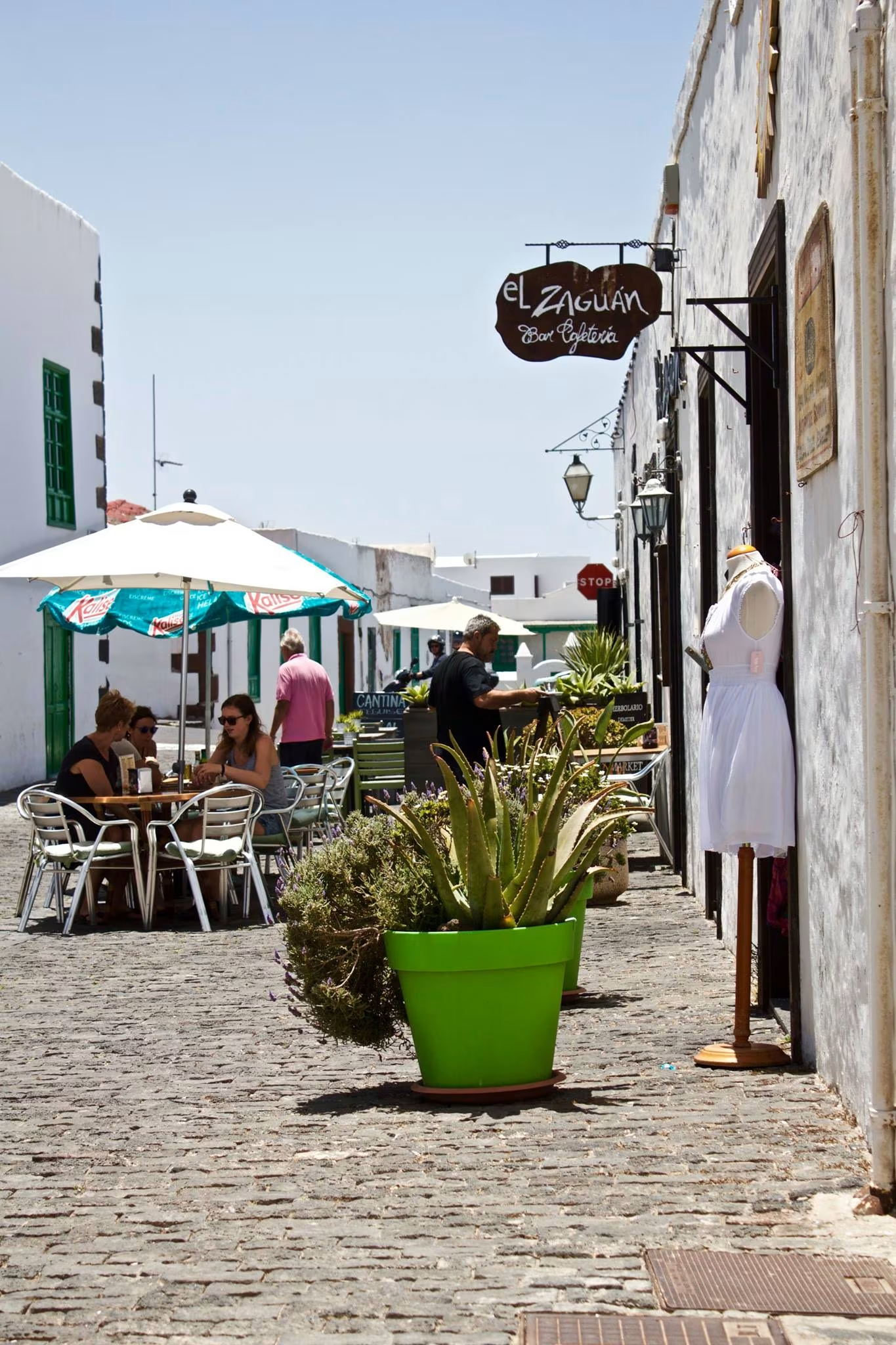
Teguise Church
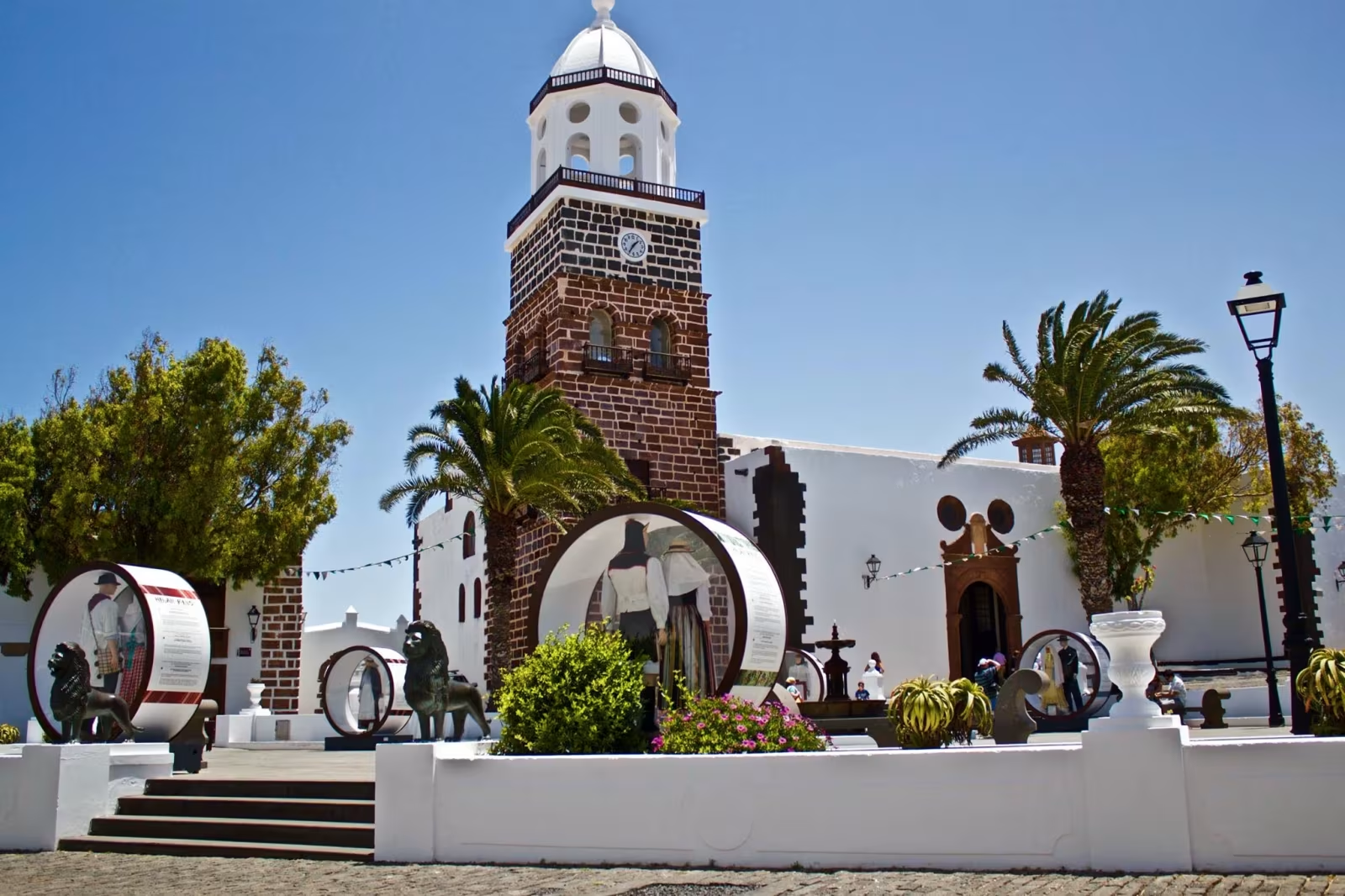
The church of Nuestra Señora de Guadalupe stands proudly at the heart of the main square and is one of those landmarks that everyone here knows. It has watched over the town in one form or another since the 15th century, surviving pirate raids and fires, and each time it has been lovingly rebuilt by the local community.
Most of what you see today dates back to the 17th and 18th centuries. The church is a sturdy, whitewashed building that blends in beautifully with the rest of the town. Step inside and you’ll find a peaceful, cool space with lovely old woodwork and religious art that has stood the test of time. The bell tower is a familiar sight, visible from far across the central plain.
The church is still very much a part of daily life here. If you happen to be around on a Sunday morning before the market starts, you’ll notice local families making their way in for mass. Visitors are welcome outside of service times and there’s no charge to enter. Even if churches aren’t usually on your list, I’d recommend popping in for a few minutes to admire the craftsmanship and enjoy the calm, timeless atmosphere.
Teguise and The Castillo de Santa Barbara
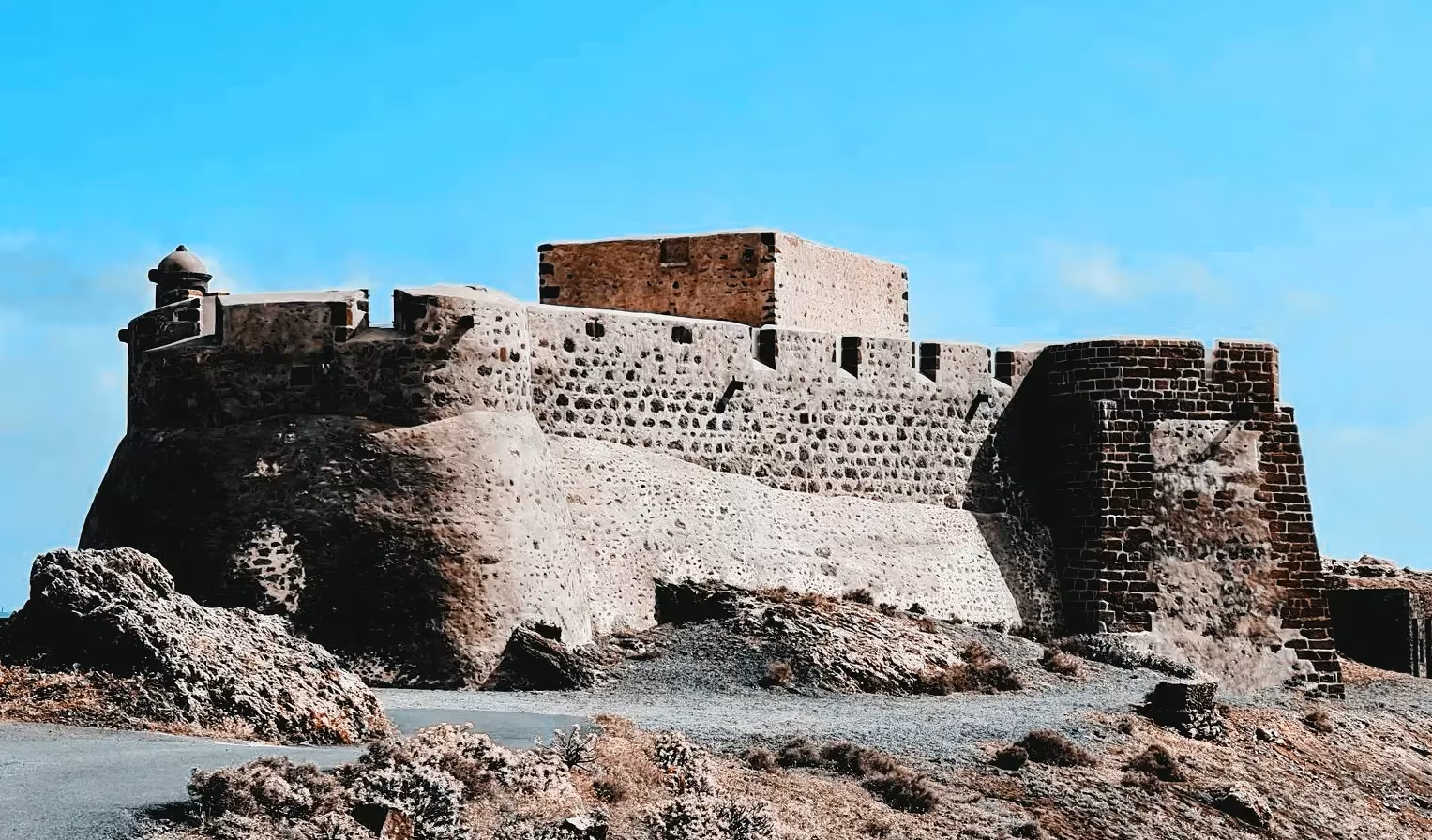
Castillo de Santa Barbara sits high above Teguise, right on the rim of the old volcanic cone of Guanapay. This sturdy 16th century fortress was once a vital lookout and a safe haven for locals during the days when pirate raids were a real threat. From up here, you are treated to sweeping views across Lanzarote, with the sea visible on both sides of the island when the weather is clear. It is one of those places that really lets you appreciate just how dramatic and beautiful our landscape can be.
These days, the castle is home to the Museo de la Piratería, a fascinating little museum that tells the story of piracy in the Canary Islands. You can learn about the raids that once haunted Lanzarote, the slave-taking expeditions, and the clever ways islanders defended themselves. The museum is not large, but it is thoughtfully put together, and I always find that the walk up to the castle is just as memorable as the exhibits themselves. Even if you are not a history buff, the views from the top make the visit worthwhile.
You can drive most of the way and park close to the top, or if you are feeling energetic, take the steady 20-minute walk up from the centre of Teguise. The climb is gentle enough for most people, and the sense of arrival is all the better for it. I always recommend visiting in the morning or late afternoon, when the light is soft and perfect for photos.
Teguise Sunday Market
Teguise’s Sunday market is something of an institution here on Lanzarote, and it’s easy to see why so many of us look forward to it each week. The old cobbled streets fill with colour and life as stalls set out their wares: you’ll find everything from the sharp tang of local cheeses and jars of mojo, to handmade jewellery, leatherwork, aloe vera and traditional Canarian crafts. It’s the biggest market on the island, and for atmosphere and variety, it’s hard to beat.
The market usually gets going around 9 in the morning and winds down by 2 in the afternoon. If you’re able, I always recommend arriving early. The streets are quieter, the pace is gentle, and you can chat with stallholders or browse at your own speed before things get busy. By mid-morning, the lanes fill up and the sun can make it feel quite lively, so those first hours are perfect for a more relaxed wander.
There’s a real mix at Teguise market. Some stalls are aimed at visitors, but many offer proper local produce and crafts. The food stalls are always a highlight for me. Think creamy goat’s cheese, homemade chutneys, fresh bread and a glass of Canarian wine. If you wander a little and take your time, you’ll spot some lovely pieces made by talented island artisans, tucked in among the more commercial stands.
Street musicians and performers often set up in the main square and along the side streets, adding to the lively, welcoming atmosphere. It always feels like more than just a market – it’s a real event, with plenty of locals joining in, which helps keep the spirit of Teguise alive and authentic.
A little word to the wise: parking can be a challenge as the morning wears on. There are a few bigger car parks on the edge of Teguise, but they usually fill up by around 10. If you arrive later, you might need to park a bit further out and enjoy a pleasant stroll into the heart of town. Many visitors from the resorts find the bus is the simplest way to get here on a busy Sunday.

Restaurants in Teguise
Teguise offers a dining experience that feels worlds apart from the busier coastal resorts. Here in the heart of the old town, you will find a handful of restaurants that are well worth seeking out, whether you visit on a lively Sunday market day or prefer the peaceful charm of a weekday afternoon.
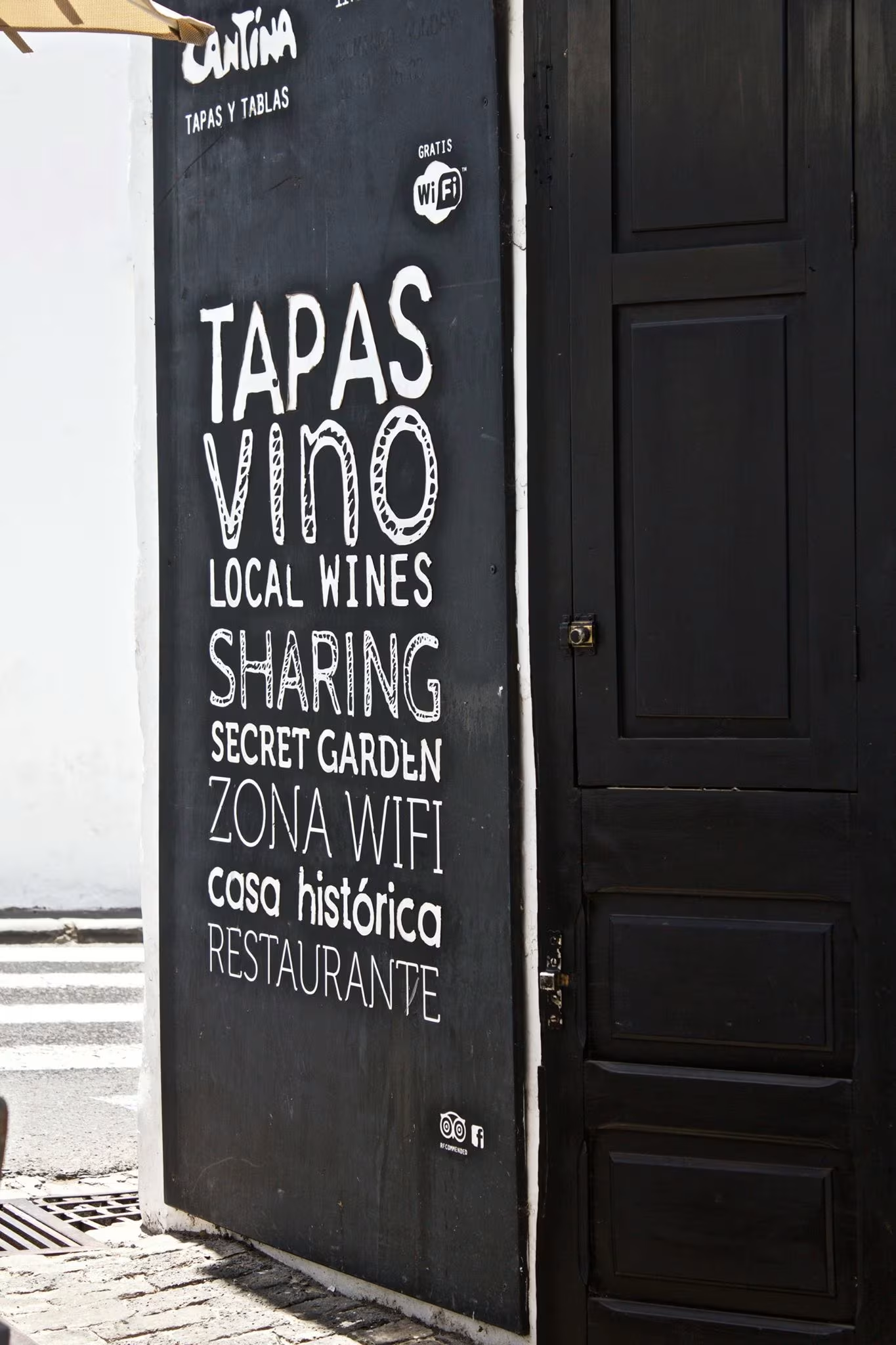
La Cantina, right on the main square, is a favourite with both locals and visitors. On Sundays, it is a real treat to sit outside, soaking up the lively market atmosphere with a glass of local wine. Their menu features classic Canarian dishes with a modern twist – the croquetas are always a highlight, and the grilled meats are cooked just right.
If you are looking for something a little more special, Ikarus is tucked away in one of Teguise’s lovely old town houses. The setting is full of character, and the kitchen turns out creative dishes that never feel overcomplicated. It is a wonderful spot for a leisurely lunch when you want to linger over something a little different.
Acatife is something of a Teguise institution, known for its generous portions of traditional Canarian favourites at sensible prices. The shaded courtyard is a lovely place to unwind after a morning exploring the cobbled streets. Their goat stew and papas arrugadas with mojo are just the thing to round off a day in town.
Sundays in Teguise have a wonderful, festive feel as restaurants spill out onto the streets with extra tables and the whole town comes alive. It is worth knowing that the most popular spots tend to fill up quickly between 1 and 2 in the afternoon, just as the market is winding down. If you are able to dine a little earlier or later, you will find the experience much more relaxed.
The culture and art of Teguise
Teguise is one of those special places that tells a story about the origins of Lanzarote life, perhaps more than anywhere else on the island. Throughout the year, the town comes alive with festivals that truly belong to the people who live here. Carnival is a real highlight. If you find yourself in Teguise at the right time, you will see the streets awash with colour and music, with the mischievous 'Diablo' figures weaving through the crowds. It is a joyful, lively celebration that locals look forward to every year.
Teguise has always had a creative spirit. In the old town, you will come across small galleries and workshops, many run by artists who have made their home here. Lanzarote has a way of attracting creative souls, and Teguise seems to welcome more than its share. It is not unusual to see painters, ceramicists, and sculptors at work in the old town houses, adding to the town’s unique character.
In the centre of Teguise, the Convento de Santo Domingo is a lovely reminder of the town’s long history. It was once a monastery, but these days it opens its doors as an exhibition space and cultural venue, with art shows and the occasional concert. Even if you are not visiting for an event, the building is well worth exploring. Its thick stone walls and peaceful courtyard offer a welcome break from the busy streets outside.
On the main square, Palacio Spinola is a wonderful example of 18th century Lanzarote architecture, beautifully restored. It was once the home of a wealthy merchant family and now welcomes visitors as a museum. Inside, you will find rooms filled with period furniture and details that really bring the island’s history to life. It is easy to picture the days when Teguise was the centre of Lanzarote.
Teguise in Summary
Teguise sits right at the heart of Lanzarote, just a short and easy drive from Arrecife or the main resorts like Puerto del Carmen and Costa Teguise. The journey itself is a pleasure, taking you along well-kept roads that wind through the island’s striking volcanic scenery.
If you are planning to visit on a Sunday for the famous market, there are extra bus services from the main resorts that make things very easy. The buses drop you right in the centre of town, so you can step straight into the lively atmosphere without worrying about parking. It is worth checking the Intercity Bus Lanzarote timetable for the latest Sunday market service times.
During the week, away from the bustle of the Sunday market, Teguise has a peaceful charm all of its own. You can stroll through quiet streets, enjoy a relaxed meal in one of the open restaurants, and take your time exploring the historic church. If you want to experience the authentic side of Teguise, I always recommend visiting on a Tuesday or Wednesday, when you can really soak up the atmosphere at your own pace. Of course, if you are after the buzz and colour of the market, Sunday is the day to go. Either way, Teguise is a place I always love to return to.