Teleclubs and Sociedades in Lanzarote: The Island’s Most Authentic Dining Experience
If you want to experience the real Lanzarote beyond the resorts, beaches, and tourist restaurants, you should visit a teleclub or sociedad.
Teleclubs and Sociedades in Lanzarote: The Island’s Most Authentic Dining Experience
If you really want to experience the real Lanzarote beyond the resorts, beaches, and tourist restaurants, you should visit a teleclub or sociedad.
These local social clubs are one of the most authentic parts of Canarian culture and remain hugely popular in village life across the island.
Visitors often hear both words — teleclub and sociedad — and wonder if they mean the same thing. The short answer is: usually yes, although there are some historical differences.
Here’s everything you should know about Lanzarote’s teleclubs and sociedades, including their history, why they exist, what they are today, and which ones are the best to visit for authentic Canarian food.
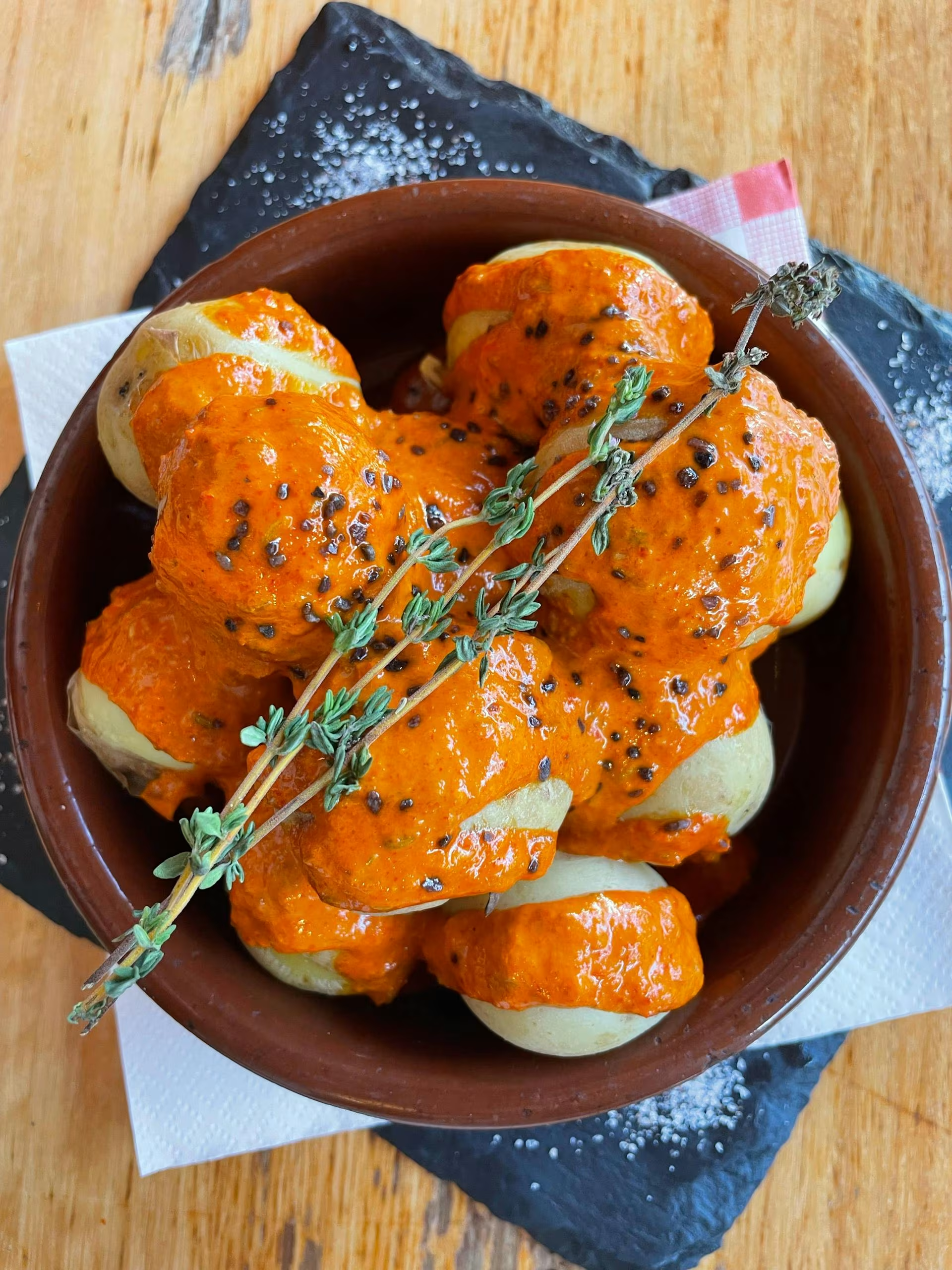
What Is a Teleclub in Lanzarote?
A teleclub is a community social centre traditionally found in villages across Lanzarote and rural Spain. Originally, teleclubs were created during the 1960s when very few families owned televisions. The local teleclub often had the only TV in the village, so residents gathered there to watch football, news, and entertainment together.
That is where the name comes from:
- “Tele” = television
- “Club” = social club
Over time, teleclubs evolved into much more than places to watch TV. Today, most function as:
- Community meeting places
- Village bars and restaurants
- Event halls
- Cultural centres
- Spaces for music, dancing, bowls, and local celebrations
Many tourists describe them as a mix between a village hall, a local bar, and a community centre.
Teleclubs were part of a national Spanish initiative launched during the 1960s to bring television and culture to rural communities. Across Spain, thousands of teleclubs were created in villages.
At their peak, Spain had between 4,500 and 6,000 teleclubs nationwide. Many disappeared over the decades as televisions became common in homes, but Lanzarote’s teleclubs survived by adapting into community restaurants and social spaces.
Today, they remain one of the island’s most distinctive cultural traditions.
What Is a Sociedad?
A sociedad is very similar. In Lanzarote, the words teleclub and sociedad are often used interchangeably.
Technically, a sociedad usually refers to the actual local association or membership organisation behind the building, while teleclub refers to the physical social centre itself.
Locals may become socios (members), paying a small annual fee that gives them voting rights and involvement in community decisions. In many villages, the sociedad manages the teleclub building.
So in practical terms:
- Teleclub = the community venue
- Sociedad = the social association running it
But on Lanzarote, most people use both terms to mean the same thing.
Why Teleclubs Are So Popular in Lanzarote?
Teleclubs are part of the island’s social fabric. In small villages, they became the heart of community life long before modern cafés, coworking spaces, or entertainment venues existed.
Historically, they were places where people gathered for:
- Watching television
- Local meetings
- Weddings and birthdays
- Religious celebrations
- Community discussions
- Music and dancing
- Card games and dominoes
- Canary Island bowls (bola canaria)
Even today, many teleclubs still host fiestas, classes, and cultural events. Some also have large halls attached for weddings or village celebrations.

Sponsored
How Many Teleclubs Are There in Lanzarote?
Lanzarote still has around 50 teleclubs or sociocultural centres, which is remarkable for such a small island.
Almost every village has one, including places like:
- Tao
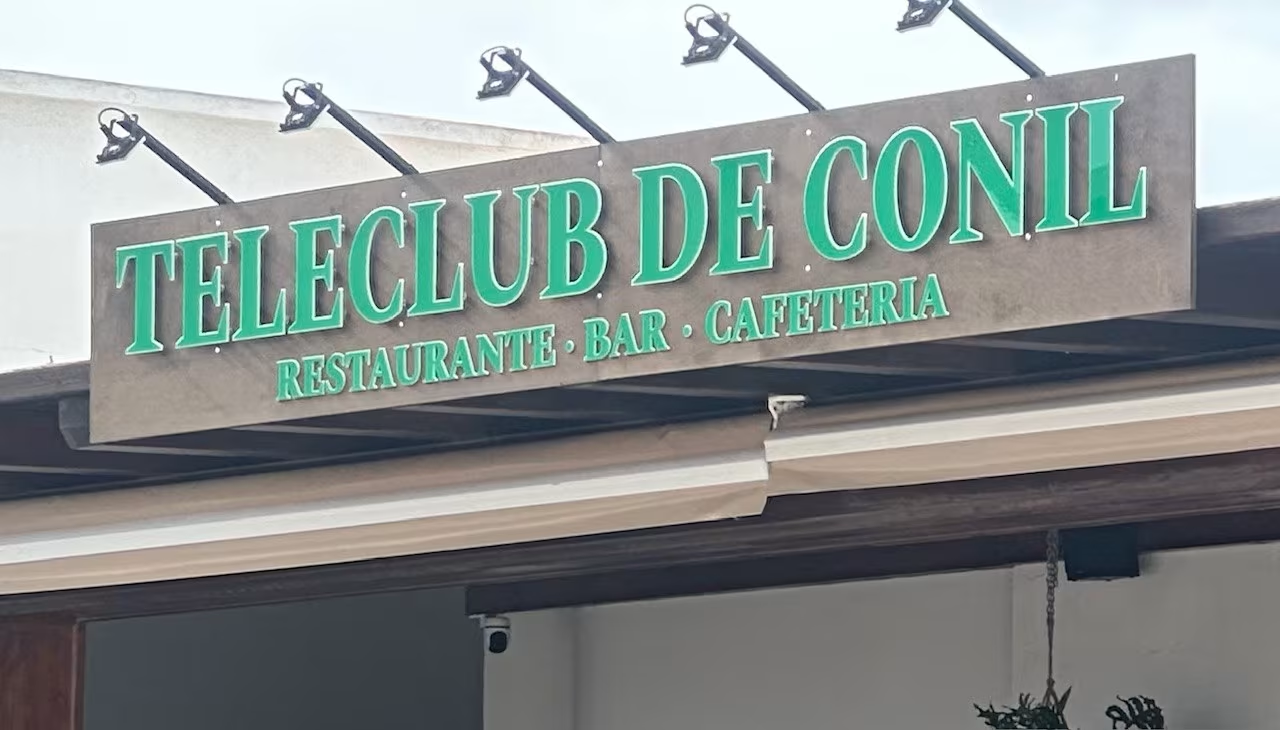
- Conil
- Mozaga
- Los Valles
- Haría
- Teseguite
- Mácher
- El Mojón
- Guatiza
- Macher
- Soo
- Mancha Blanca
- Famara
Some are very traditional and simple, while others have become excellent local restaurants known for authentic Canarian food.
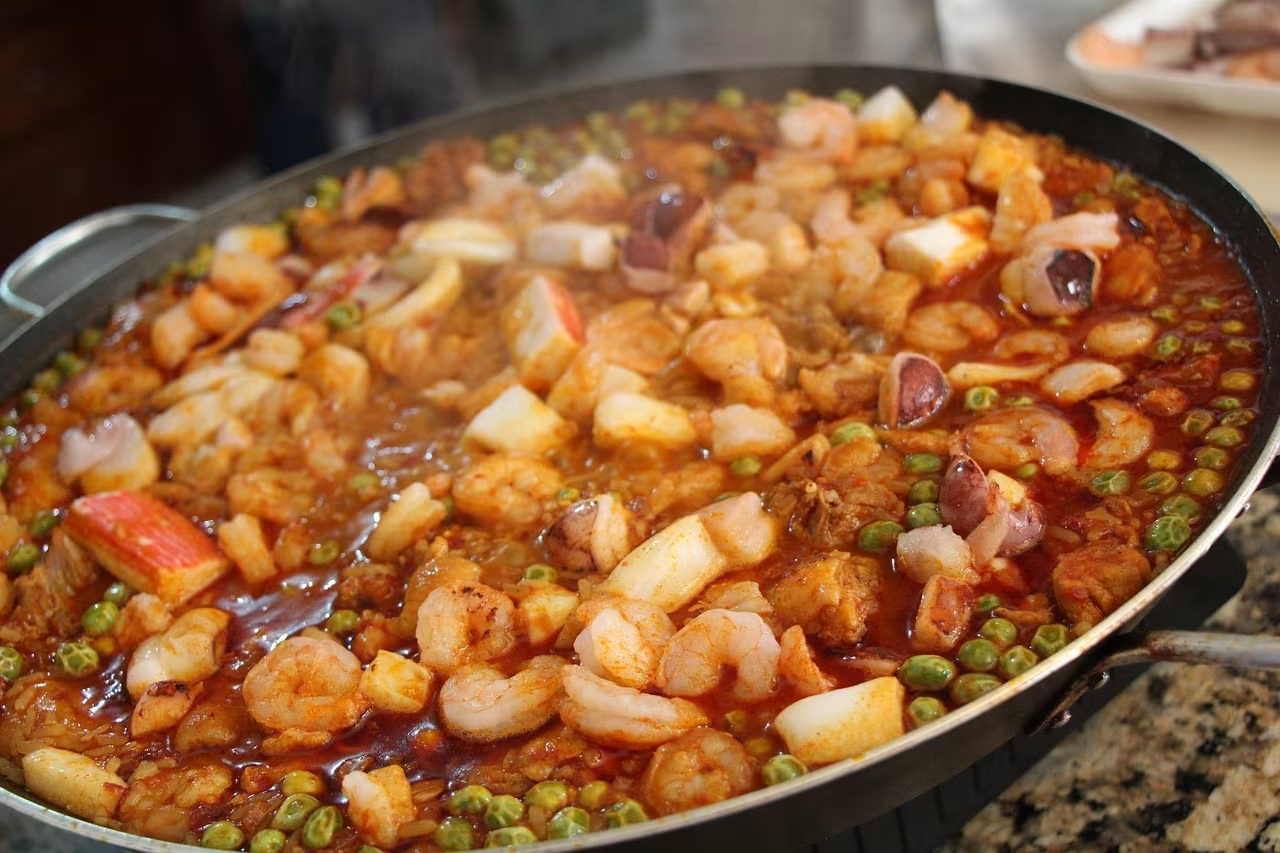
What You Can Expect Visiting a Lanzarote Teleclub?
For tourists, visiting a teleclub is one of the best ways to experience authentic Lanzarote.
Unlike restaurants in resort areas, teleclubs are mainly designed for locals. That means:
- Lower prices
- Homemade Canarian food
- Relaxed atmosphere
- Friendly service
- Traditional recipes
- Local wines and dishes
Many teleclubs serve classic Lanzarote and Canarian dishes such as:
- Papas arrugadas with mojo
- Goat meat stew
- Fresh fish
- Queso asado (grilled cheese)
- Ropa vieja
- Chickpeas
- Escaldón
- Menú del día lunches
Some don’t even have printed menus, you simply ask what has been cooked that day.
Why You Should Visit a Teleclub in Lanzarote
If you want to discover the authentic side of Lanzarote, teleclubs are one of the best places to start.
They offer:
- Authentic Canarian cuisine
- Real local atmosphere
- Excellent value for money
- Traditional village culture
- A chance to meet locals
- Hidden-gem dining experiences
For many visitors, eating at a teleclub becomes one of the highlights of their holiday.