Why Was Once Lanzarote Called “Lanzagrote”? The Story Behind the Island’s Unflattering Nickname
If you’ve ever searched for a holiday in Lanzarote, you might have come across the rather unkind nickname “Lanzagrote”.
Why Was Lanzarote Called “Lanzagrote”? The Story Behind the Island’s Unflattering Nickname

If you’ve ever searched for a holiday in Lanzarote, you might have come across the rather unkind nickname “Lanzagrote”. But where did it come from, what does it mean, and is it really a fair description of one of the Canary Islands’ most distinctive destinations?
Lanzarote is famous for its sunshine, beautiful beaches, volcanic scenery and relaxed holiday atmosphere. Yet, despite its popularity, the island has acquired a nickname that suggests something rather less appealing. For some British holidaymakers, the word “Lanzagrote” has become a way of describing an island they believe looks barren, dusty or even a little bleak.
But there is more to the story than the nickname suggests.


Sponsored
WHAT DOES “LANZAGROTE” ACTUALLY MEAN?
“Lanzagrote” is an informal, unflattering play on the name Lanzarote. The word combines the island’s name with the English word “grotty”, which means unpleasant, shabby, dirty or unattractive.
It is not the island’s official name, nor is it a traditional local expression with a recognised historical origin. Rather, it is a nickname used by some visitors and holidaymakers, particularly in British travel conversations.
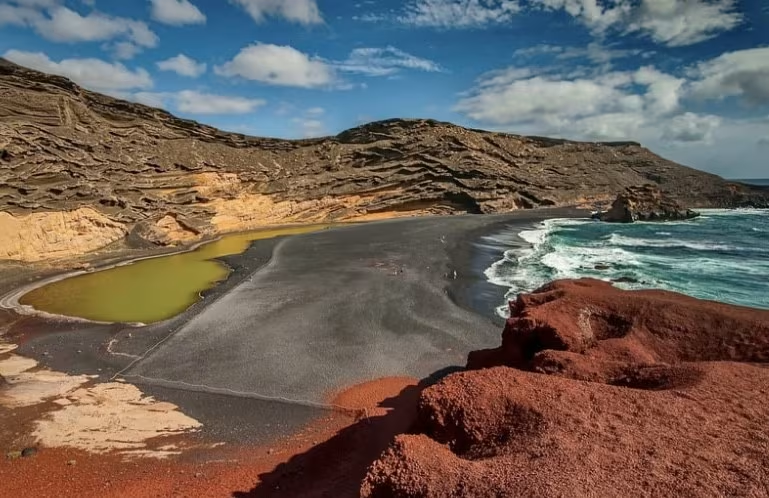
The term appears to reflect a particular impression of Lanzarote’s landscape. Unlike destinations known for lush green hills, forests and colourful gardens, much of Lanzarote is characterised by dark volcanic rock, black and brown earth, sparse vegetation and wide-open spaces.
For someone expecting a tropical paradise covered in palm trees and greenery, that first impression can be surprising.
However, describing an entire island as “grotty” because it looks different from other holiday destinations is a little like judging a book by its cover.
WHY DOES LANZAROTE LOOK SO DIFFERENT?
The answer lies beneath your feet: Lanzarote is a volcanic island.
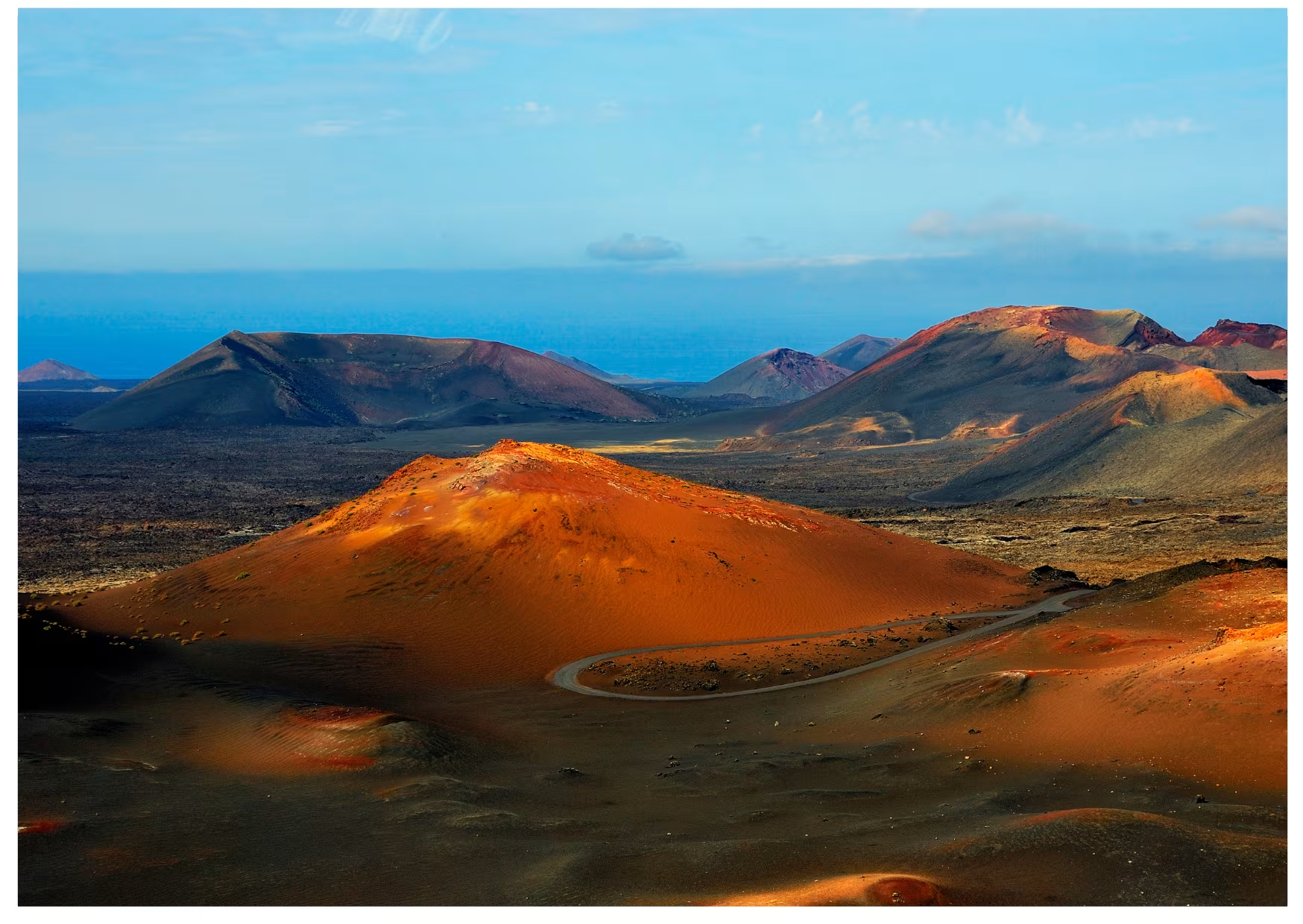
Its dramatic landscape has been shaped by volcanic activity over thousands of years, including the major eruptions that transformed large parts of the island during the eighteenth century.
In the Timanfaya region, vast expanses of solidified lava and volcanic ash create an almost otherworldly landscape. The dark terrain, unusual rock formations and lack of dense vegetation can make some areas look more like the surface of another planet than a traditional beach holiday destination.
This is precisely what makes Lanzarote special.
The island’s volcanic landscape is not a sign that something is wrong with it. It is one of its defining natural features, attracting visitors who want to experience scenery they simply cannot find at home.
The wine-growing region of La Geria is a wonderful example of how local people have adapted to these conditions. Vines grow in carefully excavated hollows in the volcanic ash, protected by low semicircular stone walls that shelter them from the wind. The result is a striking landscape that is both practical and beautiful.
What some people see as barren, others see as extraordinary.
IS LANZAROTE DIRTY, DUSTY OR UNATTRACTIVE?
This is where opinions begin to differ.
Lanzarote can be dusty, particularly during dry, windy weather. Calima events can bring fine Saharan dust across the Canary Islands, temporarily affecting visibility and covering surfaces with a thin layer of dust.
The island also has naturally dark ground in many areas, and its dry climate means it does not have the consistently lush appearance of some tropical destinations.
But natural volcanic terrain and dust are not the same thing as an island being dirty.
Lanzarote has sandy beaches, whitewashed villages, landscaped resort areas, attractive marinas, traditional towns and stretches of coastline with spectacular turquoise water. Places such as Playa Blanca, Puerto del Carmen and Costa Teguise offer very different holiday experiences, while inland villages reveal another side of island life.
Of course, like any tourist destination, Lanzarote has places that could be better maintained and areas that some visitors may find less attractive. No destination is perfect.
The important point is that a nickname based on one person's impression does not accurately describe the entire island.
THE BEACHES TELL A DIFFERENT STORY
One of the biggest reasons people return to Lanzarote year after year is its coastline.
The island offers everything from broad sandy beaches and lively resort promenades to secluded coves and rugged stretches of volcanic shore. Golden and pale sands contrast with dark lava rock, while the Atlantic provides constantly changing shades of blue.
Some beaches are ideal for families looking for facilities and easy access. Others appeal to surfers, walkers or visitors who prefer a quieter setting.
The Papagayo beaches, near Playa Blanca, are particularly well known for their clear water and beautiful natural surroundings. Famara, meanwhile, offers a dramatic expanse of sand beneath towering cliffs, with a very different atmosphere.
These landscapes are not always the conventional postcard image of a tropical island, but they have a character of their own.
CÉSAR MANRIQUE HELPED SHAPE THE ISLAND’S APPEARANCE
Another important part of Lanzarote’s identity is its approach to architecture and development.
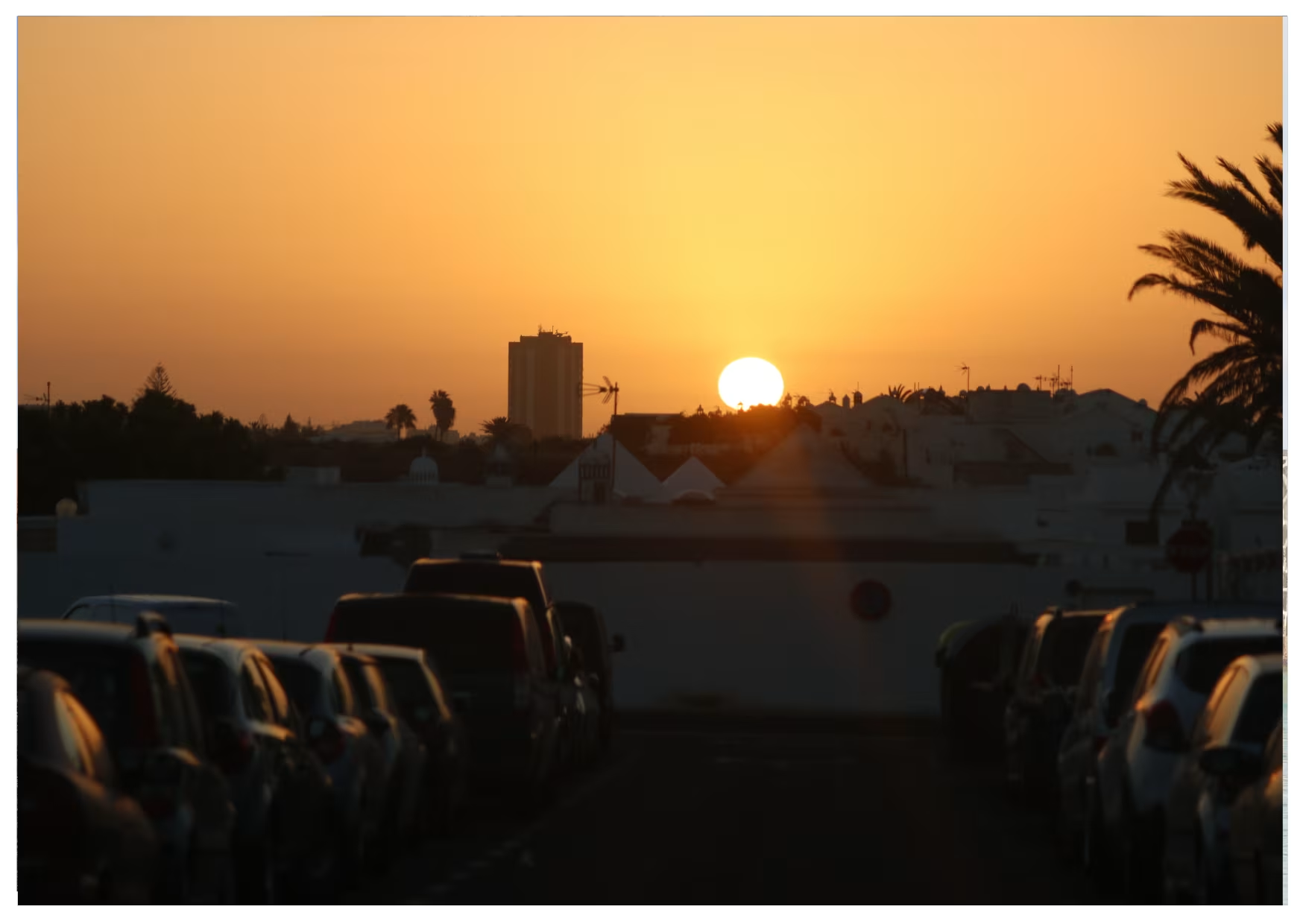
Local artist and architect César Manrique played a major role in promoting an approach that respected the island’s natural environment. His influence helped establish an architectural style associated with white buildings, green and blue details, low-rise development and a close relationship between buildings and the surrounding landscape.
His work can be seen at places such as Jameos del Agua and Mirador del Río, where architecture and nature combine in remarkable ways.
Lanzarote is not simply a collection of hotels built beside a beach. It has a strong visual identity, shaped by its geology, its traditional villages and efforts to preserve the character of the island.
That distinctiveness is one of its greatest assets.
WHY DO SO MANY PEOPLE KEEP COMING BACK?
If Lanzarote were as unappealing as the nickname suggests, it would be difficult to explain why so many visitors return year after year.
For many holidaymakers, the attraction is a combination of reliable sunshine, a relatively short flight from the UK, beaches, restaurants, outdoor activities and a welcoming atmosphere.
There is also a great deal to explore beyond the main resorts. Visitors can discover traditional markets, local food, vineyards, walking routes, volcanic attractions and small villages that offer a glimpse of everyday Canarian life.
Some people want a lively holiday with entertainment and restaurants within walking distance. Others prefer a peaceful villa, countryside walks and quiet evenings. Lanzarote can accommodate both, provided visitors choose the right area for their expectations.
It is not necessarily an island that appeals to everyone in the same way. But that is true of every destination.
SO, SHOULD “LANZAGROTE” PUT YOU OFF VISITING?
Absolutely not.
If you are considering a holiday in Lanzarote, the best approach is to look beyond the nickname and decide what kind of holiday you want.
Research the resorts, explore photographs of the beaches, discover the volcanic attractions and read about the places you could visit. Choose accommodation that suits your needs, whether that means a lively resort, a family-friendly beach or a quiet rural retreat.
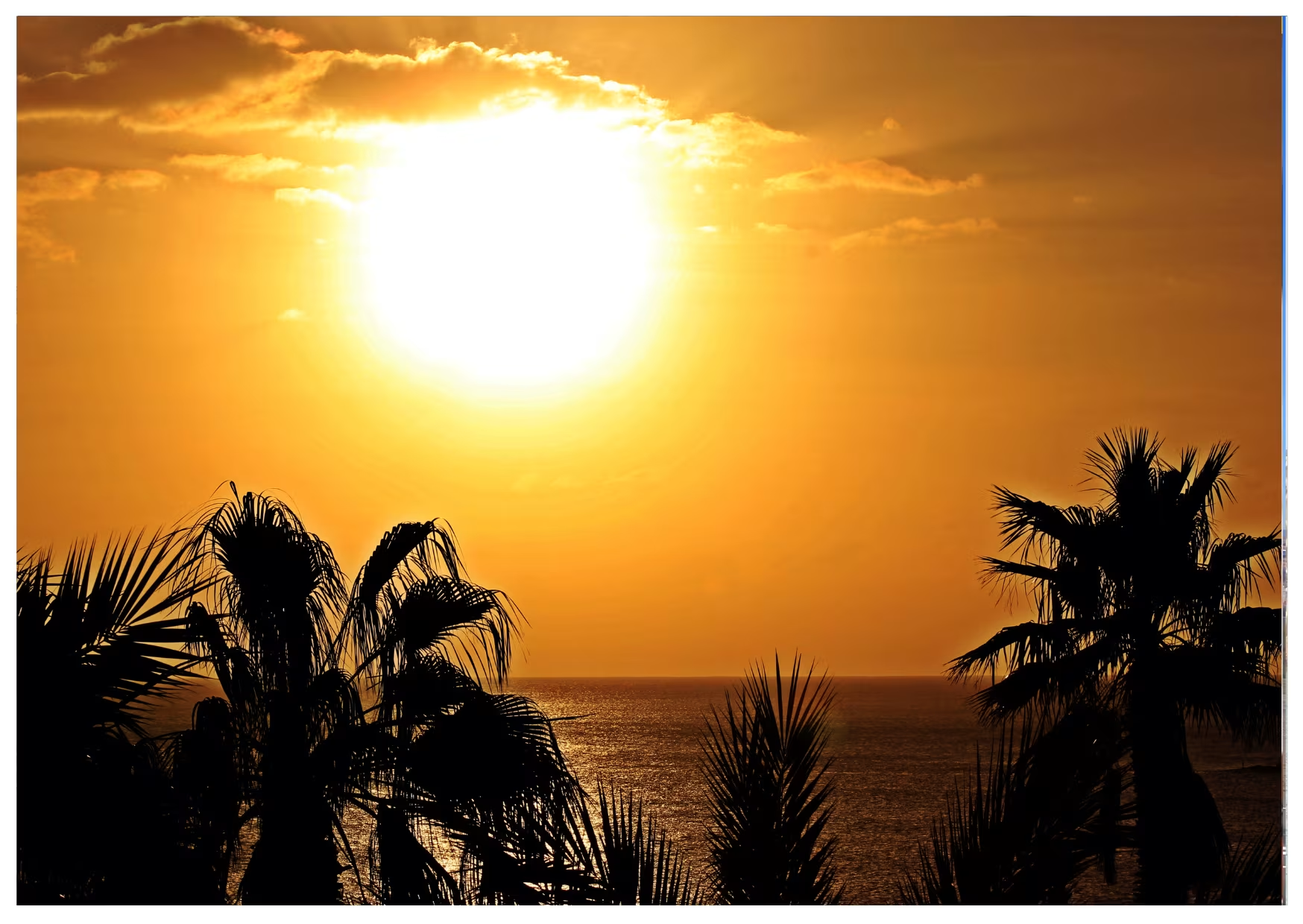
And remember that Lanzarote's landscape is part of its appeal. The black lava fields, white villages, blue sea and bright sunshine create a combination that is unmistakably its own.
Perhaps “Lanzagrote” is a memorable nickname, but it is hardly a fair summary of the island.
For thousands of visitors, Lanzarote is not grotty at all. It is a place of dramatic natural beauty, fantastic weather, memorable experiences and holidays they look forward to repeating.