Google Lanzarote, the NO FLY LIST Tops Search Results, We Explain Why
Is Lanzarote really on a no-travel list? Discover why the Canary Islands appeared on Fodor’s 2026 No List, and what it means.
Why Is Lanzarote on a “No List”? The Truth Behind the Headlines and What It Means for Your Holiday

If you have searched Google for Lanzarote recently, you may have come across headlines suggesting that the island, or the wider Canary Islands, has been placed on a “no-travel list”. Understandably, this has left some holidaymakers wondering whether they should be worried. But what is the story really about, and does it mean you should reconsider your next trip to Lanzarote?
The reassuring answer is that the story is not a ban on travel, and it does not mean tourists are unwelcome. The discussion centres on tourism sustainability, the pressures created by growing visitor numbers, and how popular destinations can protect the places that make them special.
So, before you change your holiday plans, here is what you need to know.


Sponsored
Where Did the Lanzarote “No List” Story Come From?
Much of the attention stems from the annual No List published by Fodor’s Travel, an established American travel publisher.
Its 2026 list, announced in November 2025, included the Canary Islands among eight destinations around the world where the publication believes tourism pressures deserve greater attention. Other places featured included Antarctica, Mexico City and Montmartre in Paris.
The important detail is that Fodor’s did not issue an official travel warning or ban. Its list is an editorial feature intended to encourage people to think about the environmental and social impact of tourism.
In fact, Fodor’s explicitly explained that its list was not a call for a boycott. The aim was to draw attention to destinations facing challenges associated with their own popularity.
Unfortunately, when this kind of story is picked up by other publications, the wording can become much more dramatic. A headline about a destination appearing on a sustainability list can quickly turn into a suggestion that tourists are being told to stay away.
Those are two very different things.
Why Were the Canary Islands Included?
The main issue is not that the Canary Islands have suddenly become an undesirable place to visit. It is that they have become an exceptionally popular destination, and that popularity brings challenges.
The islands attract millions of visitors each year, supporting hotels, restaurants, bars, shops, excursion companies, transport providers and countless other local businesses. Tourism is a major part of the regional economy and provides employment for a large number of residents.
However, the rapid growth in visitor numbers has also prompted questions about how the islands manage housing, water supplies, traffic, waste and the protection of their natural environments.
These concerns have become increasingly visible in recent years, with demonstrations taking place across the archipelago in 2025 under the slogan Canarias tiene un límite, meaning “The Canary Islands have a limit”.
For many residents, the issue is about making sure tourism remains beneficial in the long term, rather than allowing growth to put too much pressure on everyday life.
That is a conversation about how tourism should be managed. It is not the same as saying that visitors should stop coming altogether.
Does This Mean Tourists Are No Longer Welcome in Lanzarote?
Absolutely not. The inclusion of the Canary Islands on an editorial list does not mean Lanzarote has closed its doors to visitors.
Tourism remains central to the island’s economy. Thousands of people depend on holidaymakers for their livelihoods, from the staff working in hotels and restaurants to taxi drivers, entertainers, excursion operators and independent shop owners.
For many small businesses, visitors are not simply numbers in a tourism report. They are the customers who keep the lights on, support local families and help communities thrive.
It is also important to remember that the Canary Islands are not one single resort. Each island has its own character, and even within Lanzarote there is considerable variety between busy holiday areas, traditional villages, coastal towns and quieter countryside.
A headline about tourism pressure across the archipelago cannot tell you everything about what you will experience during a week in Puerto del Carmen, Playa Blanca, Costa Teguise or one of Lanzarote’s smaller villages.
Your holiday is not automatically going to be affected simply because the islands have been included in a publication’s list.
Is Lanzarote Still a Good Place for a Holiday?
For visitors looking for sunshine, beaches, volcanic scenery, good food and a chance to explore somewhere different, Lanzarote continues to offer plenty.
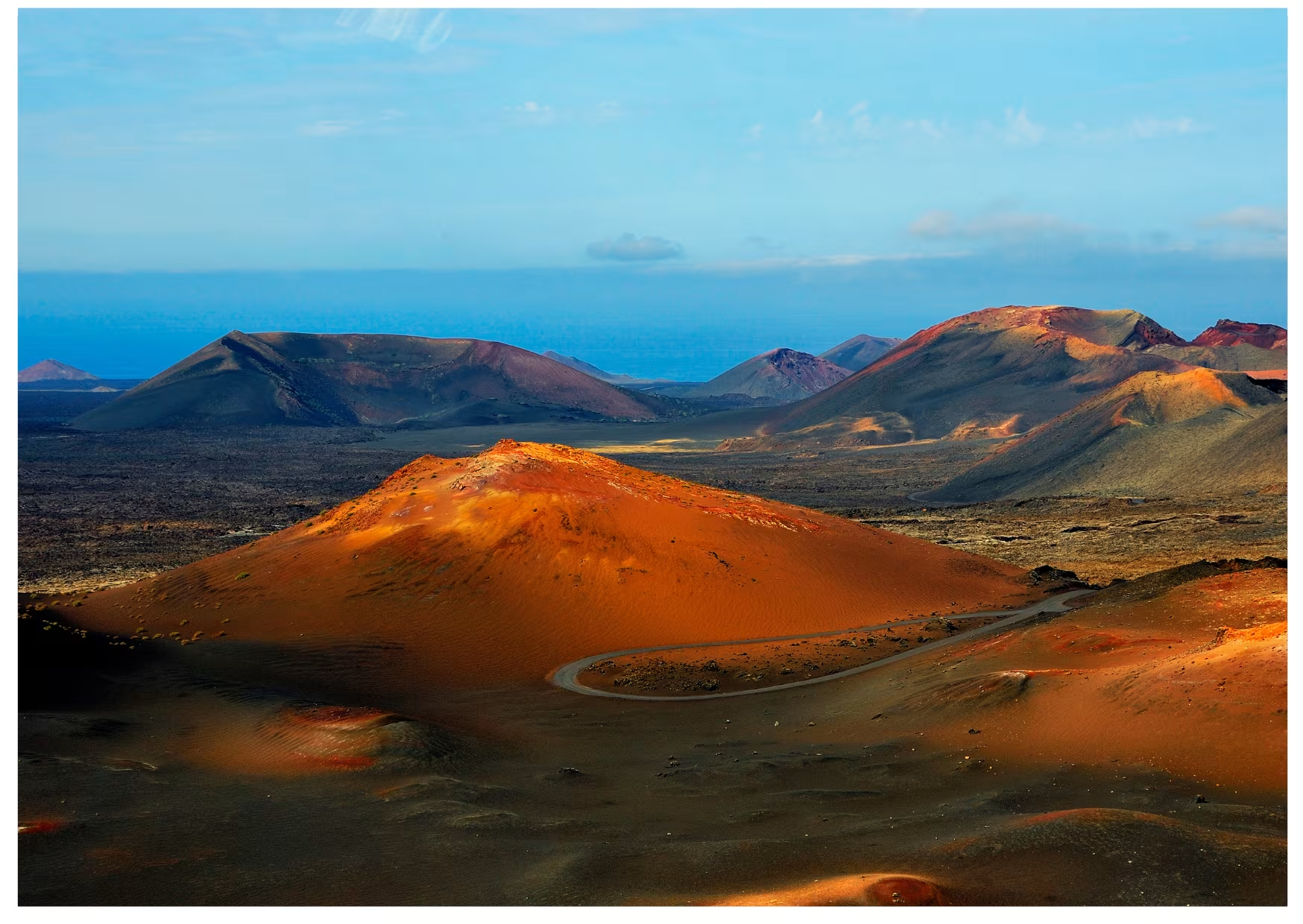
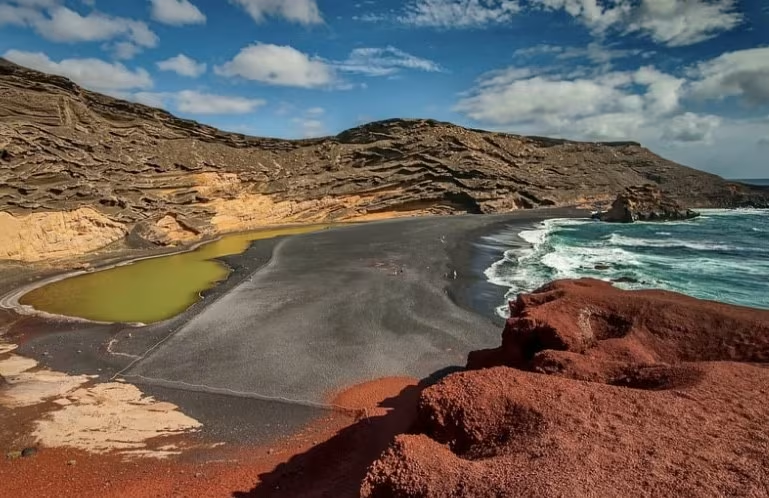
The island’s appeal goes far beyond its main resorts. You can explore the volcanic landscapes of Timanfaya, visit the vineyards of La Geria, discover the villages of the north, walk along dramatic coastal paths or spend an afternoon enjoying a leisurely lunch overlooking the Atlantic.
There are family-friendly beaches, boat trips, markets, local restaurants and opportunities to discover the island’s distinctive architecture and culture.
And, of course, there is the climate that makes Lanzarote such a popular choice for winter sun.
None of those attractions disappears because an international travel publisher has raised concerns about tourism sustainability.
As with any destination, conditions can vary by location and season, and it is sensible to check current local advice before visiting particular attractions. But the “No List” story itself is not a reason to assume that a holiday in Lanzarote will be unsafe, unwelcome or disappointing.
What About the Protests Against Mass Tourism?
The demonstrations are real, and it would be wrong to pretend that every resident is happy with the current tourism model.
Some residents are concerned about rising housing costs, the availability of long-term rentals, pressure on infrastructure and the environmental consequences of continued development. These are genuine issues that deserve attention.
However, it is important to understand what the protests are about.
Much of the debate concerns the scale and management of tourism, the balance between holiday accommodation and homes for residents, and whether local communities receive a fair share of the benefits.
That is not automatically a rejection of every individual holidaymaker.
There is a difference between questioning how an industry operates and blaming a family who has saved all year for a week’s holiday in the sun.
Visitors who respect local communities, support independent businesses and take care of the environment can be part of a more sustainable approach to tourism.
How Can Tourists Help Protect Lanzarote?
If you are planning a visit, there are several simple ways to enjoy the island while contributing positively to the local economy.
1. Support local businesses. Try independent restaurants, family-run cafés, local shops and businesses that employ people living on the island.
2. Explore beyond your resort. Discover traditional villages, local markets, cultural attractions and lesser-known parts of Lanzarote, while respecting residential areas and protected spaces.
3. Be mindful of water. Lanzarote has a dry climate and limited natural freshwater resources. Avoid unnecessary water use during your stay.
4. Respect the landscape. Stick to marked paths, follow instructions in protected areas, take your rubbish with you and never disturb wildlife.
5. Respect local life. Remember that Lanzarote is not just a holiday destination. It is home to people who live, work and raise families here throughout the year.
6. Choose accommodation responsibly. Where possible, use legitimate accommodation providers and respect the rules that apply to the property and its neighbourhood.
These small actions will not solve every challenge facing the islands, but they can help make tourism more considerate and beneficial.
Why Is This Story Appearing So Often on Google?
There is another reason the subject keeps attracting attention: the way people search for travel information.
Words such as “no list”, “no-go destination” and “avoid” naturally catch the eye. When a story is repeated across newspapers, websites and social media, people begin searching for clarification. Those searches can generate further coverage, creating a cycle in which the headline becomes almost as significant as the original story.
It is therefore worth looking beyond the headline and checking what the original source actually said.
In this case, the distinction is crucial. Fodor’s was highlighting concerns about the sustainability of tourism in the Canary Islands. It was not announcing that Lanzarote was prohibited from receiving visitors.
The phrase “no-travel list” can sound like an official restriction, but that is not what this particular list represents.
Should You Cancel Your Lanzarote Holiday?
For most people, the answer is simple: there is no reason to cancel a holiday solely because the Canary Islands appeared on Fodor’s No List.
The list is not an official travel advisory, and its inclusion of the Canary Islands is not a prohibition on travel. As always, check your government’s current travel advice for any genuine safety or entry requirements that may affect your trip.
It is also worth remembering that responsible tourism and enjoying a wonderful holiday are not mutually exclusive. You can spend your days on the beach, enjoy the restaurants and bars, explore the volcanic landscape and still be mindful of the place you are visiting.
The wider debate about tourism in Lanzarote is important. Protecting the island’s environment, ensuring residents can afford to live here and maintaining a good quality of life are all issues worth taking seriously.
But the answer does not have to be to stop visiting. It can be to encourage tourism that respects the island and benefits the people who call it home.
The Bottom Line: Lanzarote Is Not on an Official No-Fly List
If you have seen alarming headlines claiming that Lanzarote is on a “no-fly list”, it is important to distinguish between that wording and the actual story.
The Canary Islands’ inclusion on Fodor’s 2026 No List relates to concerns about overtourism and sustainability. It is not an aviation restriction, an official ban on tourists or an instruction that visitors must avoid Lanzarote.
The island still has its beaches, sunshine, restaurants, volcanic landscapes and welcoming local businesses. It also has real challenges to address as tourism grows.
Both things can be true at the same time.
So, if Lanzarote is somewhere you have been looking forward to visiting, do not let a dramatic headline make the decision for you. Read the original context, check official advice when necessary, and make your own informed choice.
And when you arrive, enjoy the island, explore what makes it special, support local businesses and treat it with the respect you would want people to show your own home.
Lanzarote’s future depends on getting tourism right, not on frightening away every person who wants to experience it.