Fundacion Cesar Manrique
Visit the Cesar Manrique Foundation in Tahiche, Lanzarote. The artist's former home built into volcanic bubbles, with an art collection, stunning gardens and a turquoise pool inside a lava tube.
The Fundacion Cesar Manrique in Taro de Tahiche is, in my view, the most remarkable place to visit on Lanzarote. It is unlike anywhere else I have seen. The house itself is built right into a river of solidified lava, a lasting reminder of the eruptions that changed the island forever in the 1730s. This was once the private home of Cesar Manrique, the artist and architect whose vision has shaped Lanzarote more than anyone else. He lived here for two decades before gifting it to the foundation that now carries his name.
Today, the house welcomes visitors as a museum and cultural centre. Walking inside feels almost magical, as if you have stepped into a world where art, architecture and the wild volcanic landscape all blend together. It is hard to see where one finishes and the next begins. If you only have time for one place on Lanzarote, I always suggest you start here.


Sponsored
Cesar Manrique and Shaping Lanzarote as we know it today
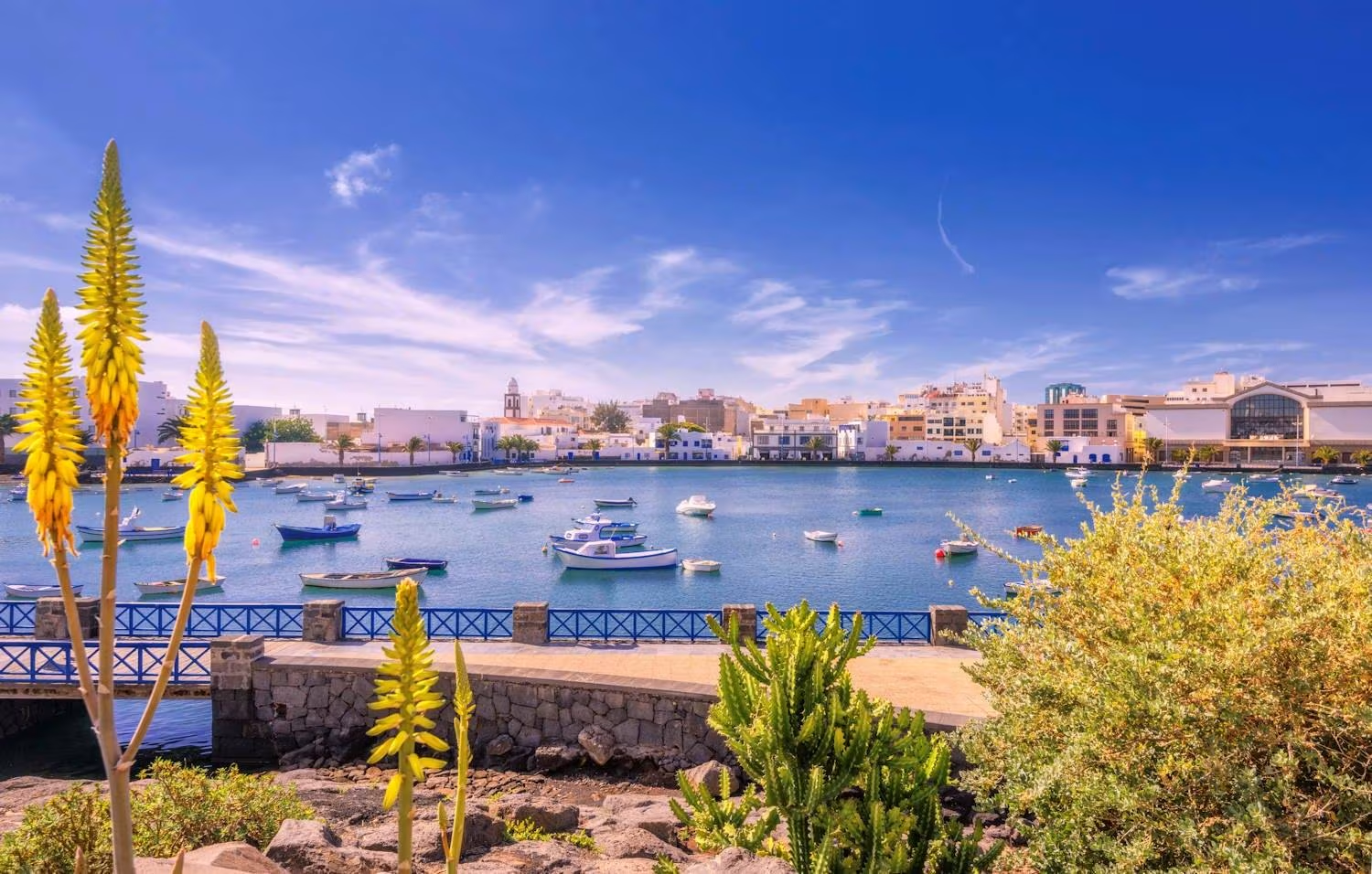
Cesar Manrique was born right here in Arrecife in 1919, growing up in the Puerto Naos neighbourhood that many of us know well. After studying art in Madrid, he made a name for himself as a painter, with exhibitions as far afield as Europe, Japan and the United States. He even spent time in New York during the vibrant 1960s, surrounded by some of the biggest names in the art world. But it was his return to Lanzarote in 1966 that truly changed everything. Manrique came back with a bold idea: to show that art, architecture and nature could live together in harmony, and that our volcanic island could set an example for sustainable and beautiful development.
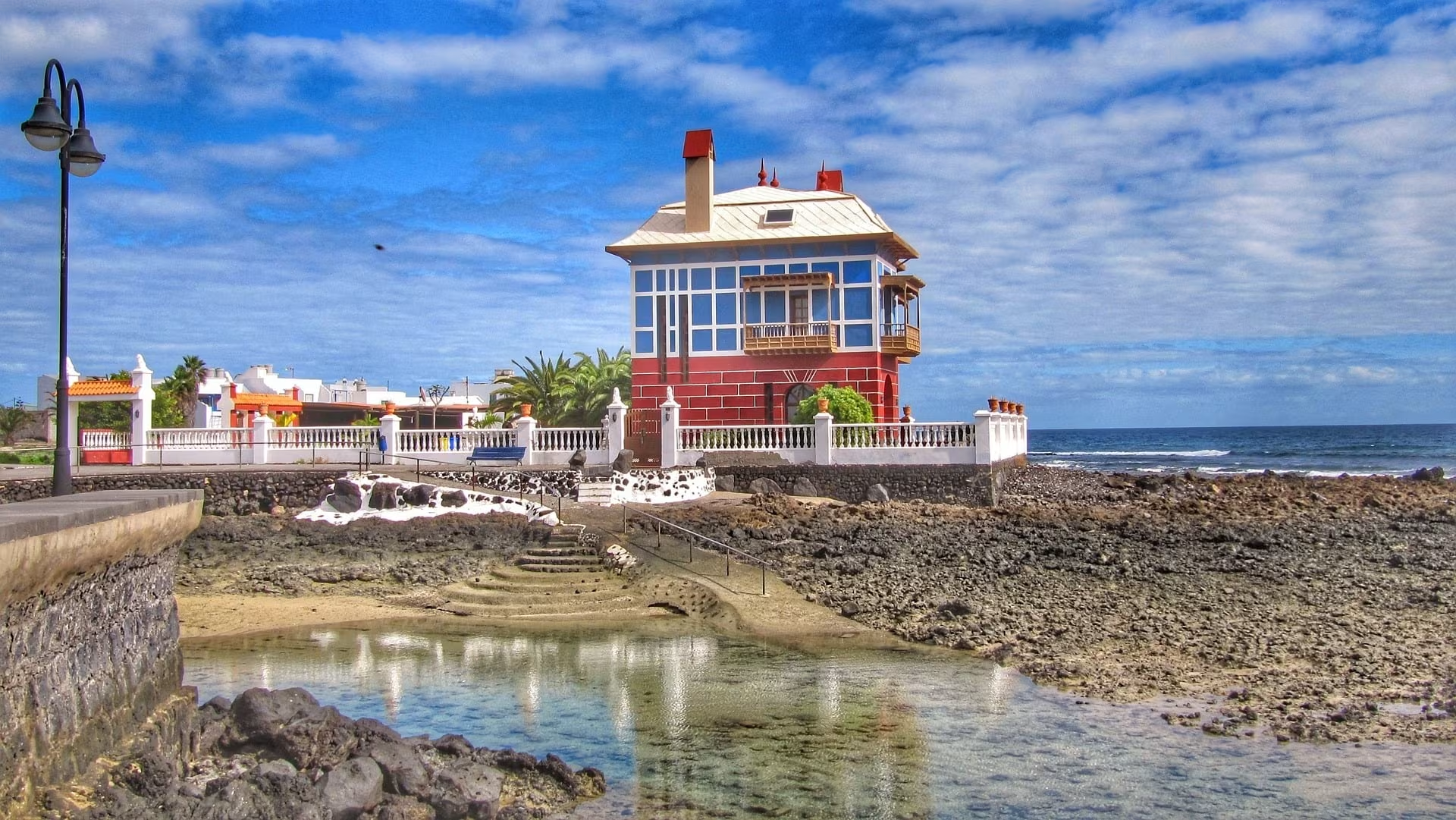
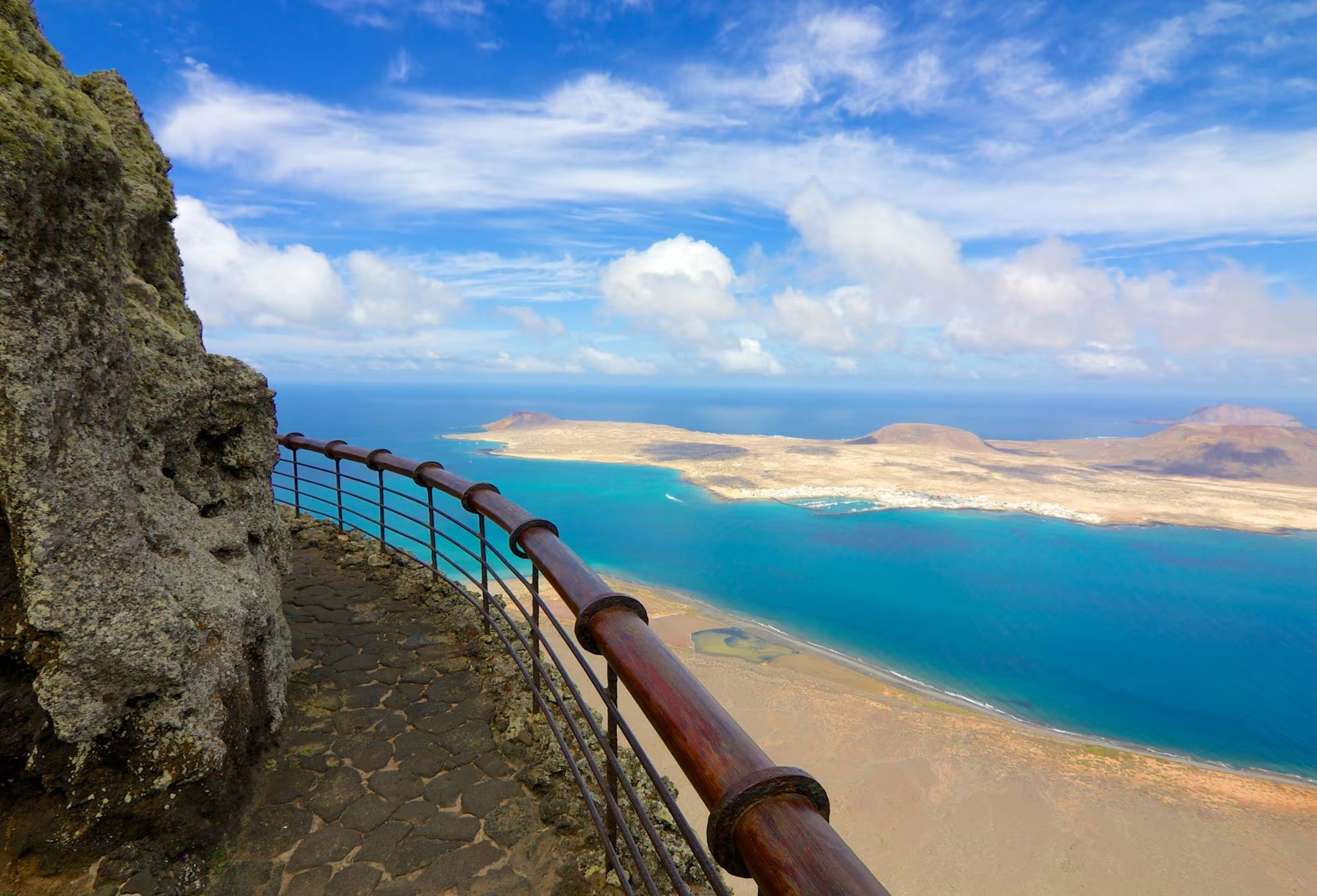
Over the years that followed, Manrique achieved things that still shape daily life here. He was the creative mind behind some of Lanzarote’s most loved places, like Jameos del Agua, Mirador del Rio, the Jardin de Cactus and, of course, the Foundation that bears his name. He fought hard to keep high-rise buildings and billboards away from our landscapes, and convinced the authorities that our traditional white houses with green or brown woodwork should be the standard. Thanks to his vision, tourism here has always aimed to protect and celebrate Lanzarote’s natural beauty. You can see his influence everywhere you go on the island, from the smallest village to the most popular sights. In 1993, just a year after Manrique passed away, Lanzarote was named a UNESCO Biosphere Reserve, a tribute to the environmental and artistic values he worked so passionately to protect.
Manrique sadly lost his life in 1992, in a car accident close to his home in Tahiche. But his spirit is still very much alive here. You can feel it in the Foundation, in the unique places he created, and in the way Lanzarote continues to honour his belief that art and nature belong together.
The César Manrique Foundation. A Home Inside the Volcano
The story of this remarkable building starts, as so many Lanzarote stories do, with a walk across a lava field. In 1968, not long after coming back from New York, Manrique found himself wandering the solidified lava near Tahiche. There, he noticed a fig tree pushing its way up through a gap in the rock. Curious, he took a closer look and uncovered a series of volcanic bubbles; hidden pockets created by cooling lava centuries ago. Where most people might have simply passed by, Manrique saw the beginnings of his dream home.
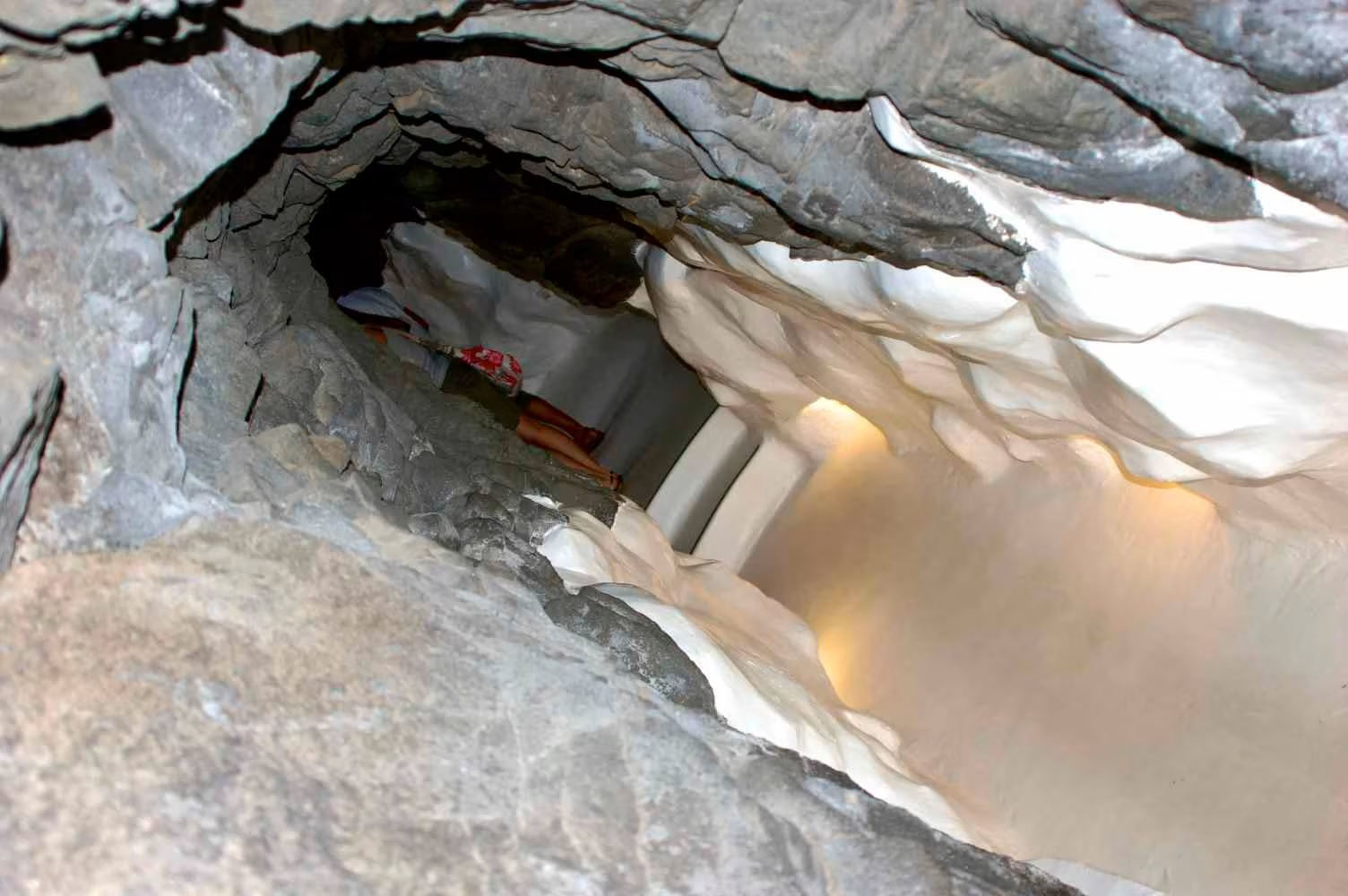
The house itself stretches across about 3,000 square metres, set within a generous 30,000 square metre plot. The upper floor draws inspiration from the island’s traditional architecture, with its whitewashed walls, wide windows and airy, sunlit rooms that now serve as gallery spaces. What makes this home truly special is the way Manrique linked this familiar, Lanzarotean upper level to the extraordinary world below. Tunnels carved through the ancient lava lead down to five natural volcanic bubbles, each with its own personality and colour, each one transformed by Manrique into a living space full of imagination and originality.
In the White Bubble, a palm tree rises right through the centre, stretching up towards the sky. The Red Bubble shelters a fig tree, which may well be the same one that first caught Manrique’s eye all those years ago. The Black Bubble stands on four sturdy pillars, while the Yellow Bubble opens onto the painting exhibition hall. The Fountain Bubble, true to its name, is home to a gentle pool of water. All of these spaces are linked by narrow tunnels cut through the lava, giving you the feeling of travelling through the very heart of the island.
At the centre of the property, a large collapsed volcanic tube, or jameo, has been turned into a beautifully landscaped area for relaxing and entertaining. Here, a turquoise swimming pool nestles among the black volcanic rock, fringed by tropical plants; a scene that has become one of the most iconic and photographed in the Canary Islands. There is a small barbecue spot and a space where Manrique once welcomed his guests. The vivid blue of the water set against the deep black lava is a sight that never fails to impress.
The Art Collection at Fundacion César Manrique
The Foundation is home to a wonderful collection of art, thoughtfully displayed across several light-filled exhibition halls upstairs. Three of these rooms are dedicated to Manrique’s own creations. In the Espacios hall, you can see some of his striking public art projects and larger installations. The Bocetos room is a favourite of mine, with its sketches for murals, designs, mobiles and ceramics that really let you glimpse how his ideas took shape. The Colección Manrique brings together a wide range of his paintings, from the bold, abstract works he created during his time in New York to the pieces inspired by Lanzarote’s volcanic landscapes.
Alongside Manrique’s own work, the Foundation also displays pieces from his personal collection, featuring original art by some of the twentieth century’s most celebrated names. You’ll find works by Picasso, Miró, Tàpies and Chillida, as well as other Spanish artists like Pedro González, Chirino and Gerardo Delgado. It’s quite something to see such an impressive collection here on our small island, a real testament to the friendships and reputation Manrique built during his years in the wider art world.
The galleries themselves are bright and welcoming, designed to let the art shine without distraction. The building is a masterpiece in its own right, and the way the exhibition spaces connect with the volcanic bubbles below and the gardens outside makes every visit feel special. This isn’t the sort of museum where you tiptoe past paintings in silence. Instead, it’s a vibrant, inspiring place where art and nature come together in true Lanzarote style.
The Gardens at Fundacion César Manrique
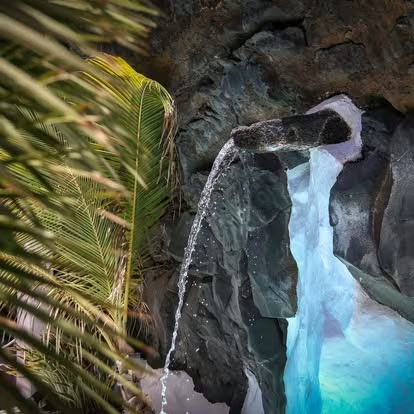
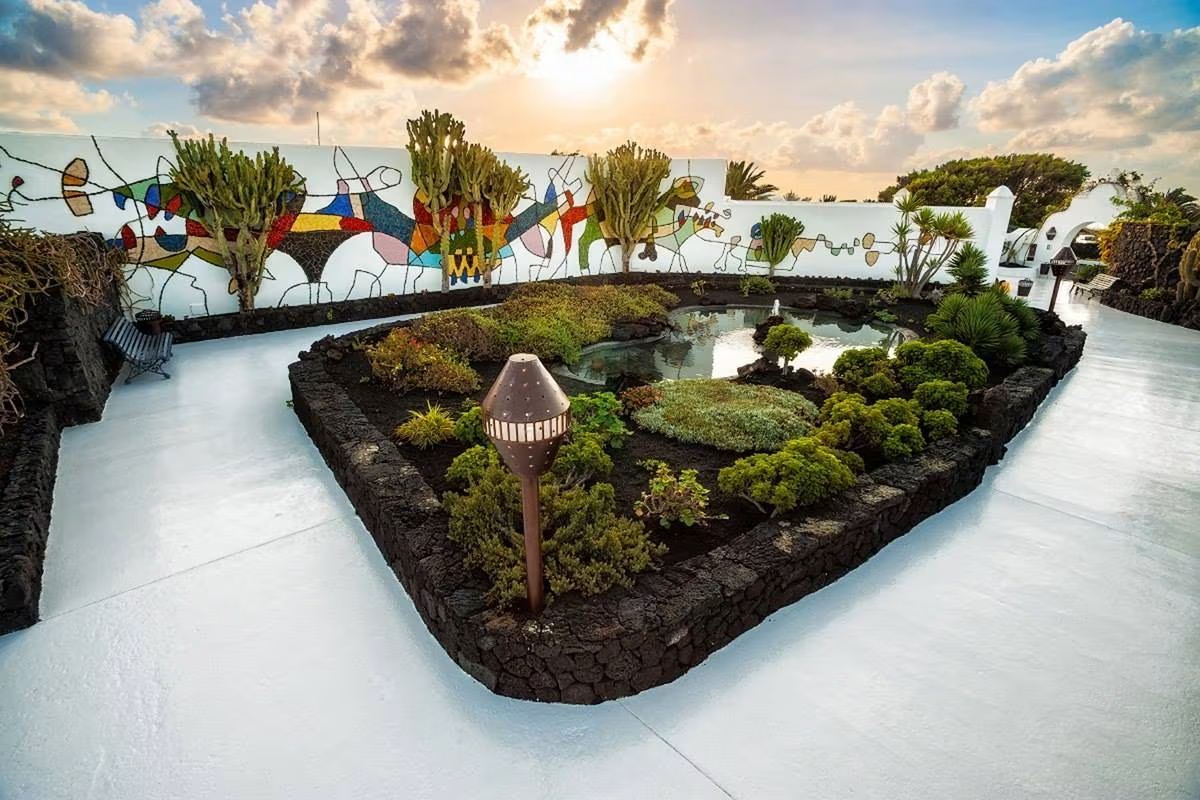
The gardens around the Foundation are a wonderful example of how Manrique worked hand in hand with nature. Here, tropical plants, cacti and succulents spring up from the black volcanic rock and ash, adding bright touches of green to the landscape. The way the lush plants stand out against the surrounding lava fields is striking, and wherever you look, there is a sense that every view has been thoughtfully arranged.
Visiting the César Manrique Foundation
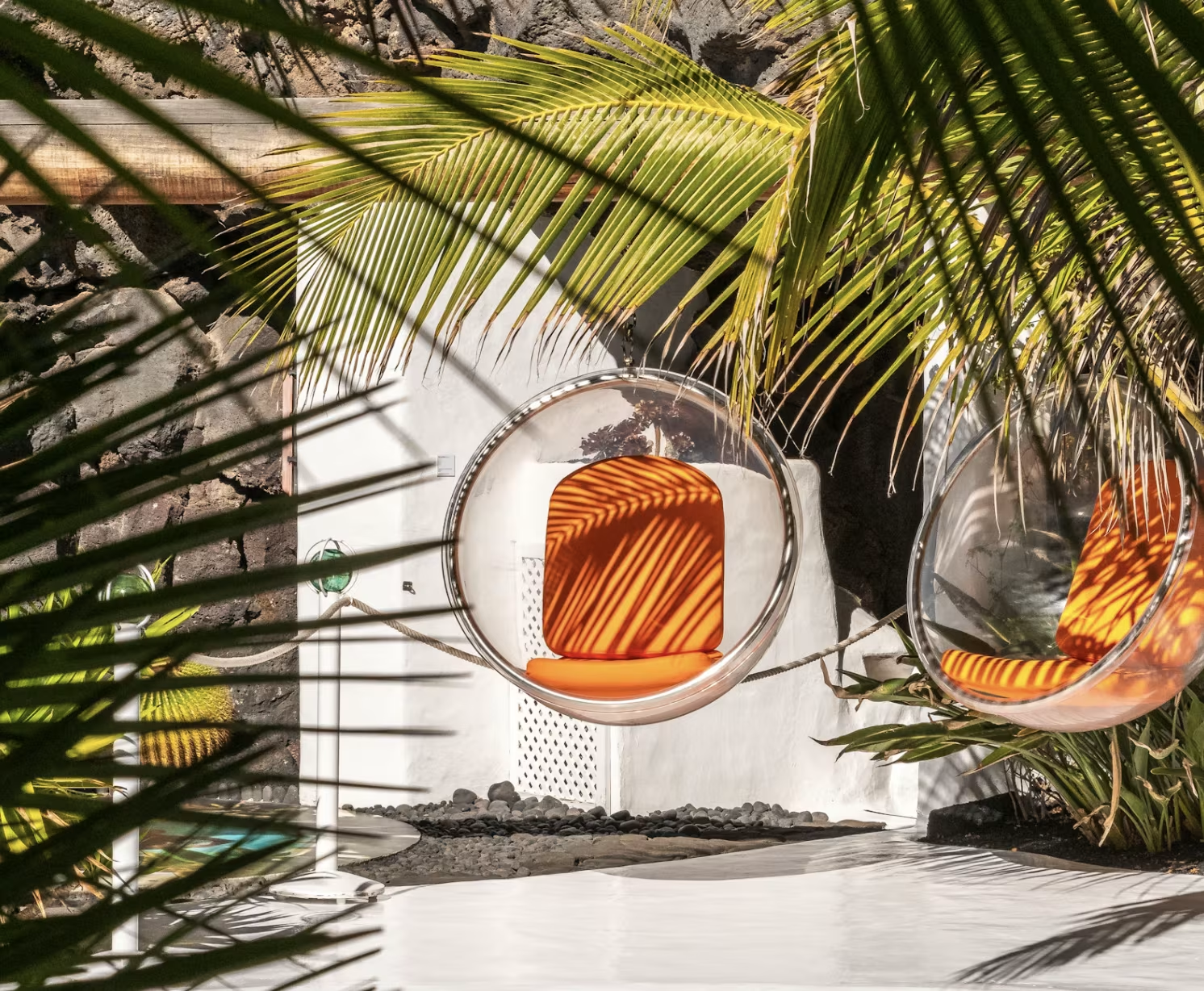
The Fundacion Cesar Manrique sits just off the main LZ-1 road in Taro de Tahiche, a short drive of around five kilometres north of Arrecife. You will find it easily, as the signs are clear and the building itself is quite distinctive. There is free parking on site, which is always handy. The Foundation welcomes visitors every day except 1 January. From November to June, it opens from 10am to 6pm, and in the summer months (July to October), you have an extra hour until 7pm. Just remember that the ticket office closes half an hour before the end of the day.
Admission is €10 for adults and €3 for children aged 7 to 12, while little ones under 7 can come in free of charge. If you are thinking of exploring both the Foundation in Tahiche and the Casa Museo Cesar Manrique in Haria, there is a combined ticket for €17, which is good value and well worth considering. Residents of Lanzarote can visit free with proof of address.
I would suggest allowing at least an hour, or even a little longer, to really take everything in. The volcanic bubble rooms are reached by tunnels and some uneven ground, so it is best to wear comfortable shoes with a good grip. Because of the natural terrain, a few areas can be tricky for those with limited mobility. There is a cosy little cafe for refreshments, and a gift shop where you can pick up books, prints, and souvenirs inspired by Manrique’s unique style.
The Foundation tends to get quite busy with coach tours in the middle of the day, especially during the winter months when cruise ships are in port at Arrecife. For a more peaceful and reflective visit, I recommend arriving early in the morning or later in the afternoon, after 3pm. You are generally welcome to take photographs inside, so do bring your camera.
Manrique's Lanzarote Legacy
If you want to understand why Lanzarote is so unique, I always suggest starting with a visit to the Foundation. The island’s white houses, green shutters, the lack of billboards and the way each attraction seems to belong to the landscape rather than compete with it, all reflect the vision that Cesar Manrique championed throughout his life. Places like Jameos del Agua, the Mirador del Rio, the Jardin de Cactus and the Cueva de los Verdes all follow this same idea of blending art and nature. Seeing the Foundation first really helps you appreciate the story behind them.
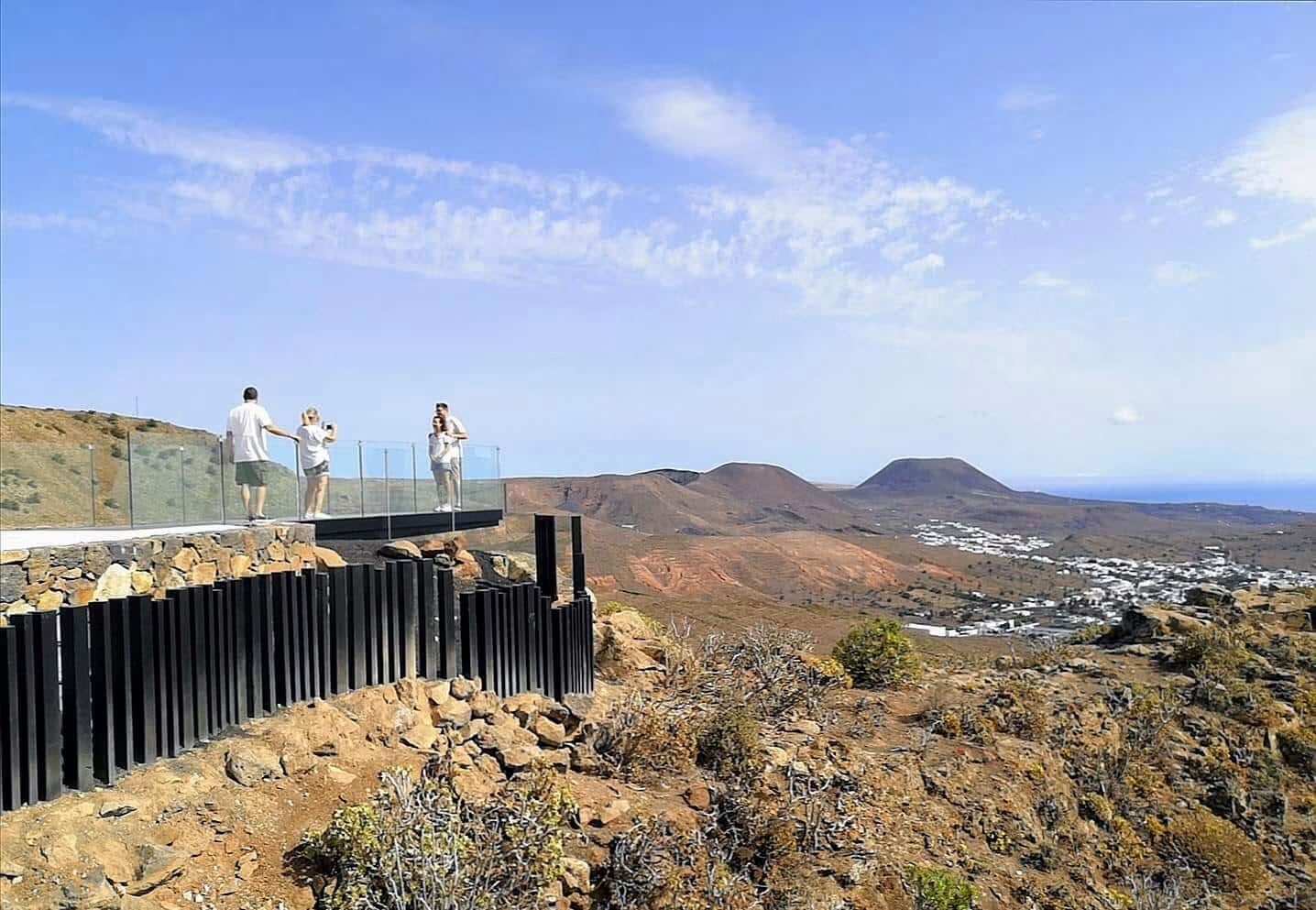
The Casa Museo Cesar Manrique in Haria offers a quieter, more personal glimpse into Manrique’s life. This was his home from 1988 until 1992, and it still feels very much as he left it, with his belongings, unfinished paintings and studio space on display. I often recommend visiting both the Foundation and the Haria house in one day. It’s easy with a combined ticket, and you can enjoy the Foundation in the morning, then head up to Haria in the afternoon, maybe pausing for a relaxed lunch in the village.