Lanzarote Hiking
Guide to hiking on Lanzarote covering the best walking routes, trail types, what to bring, guided walks and practical tips for exploring the island on foot.
When most people think of hiking in the Canary Islands, their minds often turn to the forests and high peaks of Tenerife or La Palma. But for those of us who know Lanzarote well, the island offers a very different kind of walking experience. Here, the landscape is striking and volcanic, with trails that wind through lava fields, around ancient craters, along dramatic sea cliffs and past rock formations shaped over millions of years. There are few trees and little shade, but the scenery is truly unforgettable; almost otherworldly at times.
One of the things I love about Lanzarote is how easy it is to fit a morning walk into your day, then spend the afternoon relaxing by the sea. The island’s mild winters and low rainfall mean you can enjoy walking here at any time of year.


Sponsored
Types of Hiking Terrain in Lanzarote
Walking on Lanzarote is one of the best ways to discover the island’s many faces. Over the years, I’ve found that most walks here fall into three main types, each with its own character and a few things to keep in mind.
The volcanic trails take you right into the heart of Lanzarote’s dramatic landscape, winding across ancient lava fields and around craters, especially in the central and western areas. The ground here is rough and uneven, and the black volcanic rock soaks up the sun, making it feel even warmer underfoot. Walks like Caldera Blanca or the routes through the Timanfaya lava flows are unforgettable, but you’ll want sturdy boots with good ankle support and thick soles. Trust me, the sharp rock can make short work of lighter shoes.
If you prefer something a little gentler, the coastal walks are a real pleasure. These paths hug the shoreline and are mostly flat, though you’ll still find the odd rocky patch. The Papagayo coast walk from Playa Blanca is a favourite for many, while the stretch from Orzola to Ye in the north offers a wilder, quieter experience. Coastal routes are usually the most accessible, making them a good choice for walkers of all abilities.
For those who love a bit of drama, the cliff walks along the Risco de Famara in the north are truly breathtaking. Here, the cliffs soar over 600 metres above the Atlantic, offering sweeping views and a real sense of Lanzarote’s wild side. These walks are exposed to the elements, with unfenced edges and strong winds, so they’re best suited to confident walkers who are comfortable with heights. I wouldn’t recommend them for young children or anyone who feels uneasy near steep drops.

Lanzarote Trail Marking and Navigation
Trail marking here on Lanzarote can be a bit hit and miss. Some of our favourite routes are easy to follow, with painted waymarks or sturdy wooden posts to guide you along. Others, though, have hardly any signs at all, so you do need to keep your wits about you. Unlike the Alps or the well-known GR routes on the mainland, we don’t have a fully connected network of marked trails.
The Cabildo, our island government, looks after a handful of official senderos, or walking paths. These are generally the best kept and easiest to follow, with the familiar yellow and white paint marks of the PR-LZ series showing you the way on rocks and posts. If you’re new to walking on Lanzarote, these routes are a good place to start.
For the less well-trodden paths, I always recommend bringing a GPS device or a phone with offline maps. Many local walkers use the Komoot and Wikiloc apps, which have a great selection of Lanzarote trails shared by others who know the island well. It’s wise to download your chosen route before you leave, as mobile signal can be unreliable in the hills and sometimes disappears altogether in the more remote valleys.
If you prefer a paper map, you’ll find them at the tourist offices and in some of the island’s bookshops. The Discovery Walking Guides series has a Lanzarote edition with detailed route descriptions and maps, which many visiting walkers find helpful.
Best Hiking Routes on Lanzarote

For many of us who call Lanzarote home, the Caldera Blanca walk is usually the first hike we suggest. This gentle 9km circular route begins in Mancha Blanca and takes you across a striking sea of ancient lava, all the way to the rim of a vast volcanic crater that rises 458 metres above the plains. From up here, the views across the fire mountains are simply unforgettable. Allow yourself three to four hours to take it all in at an easy pace.
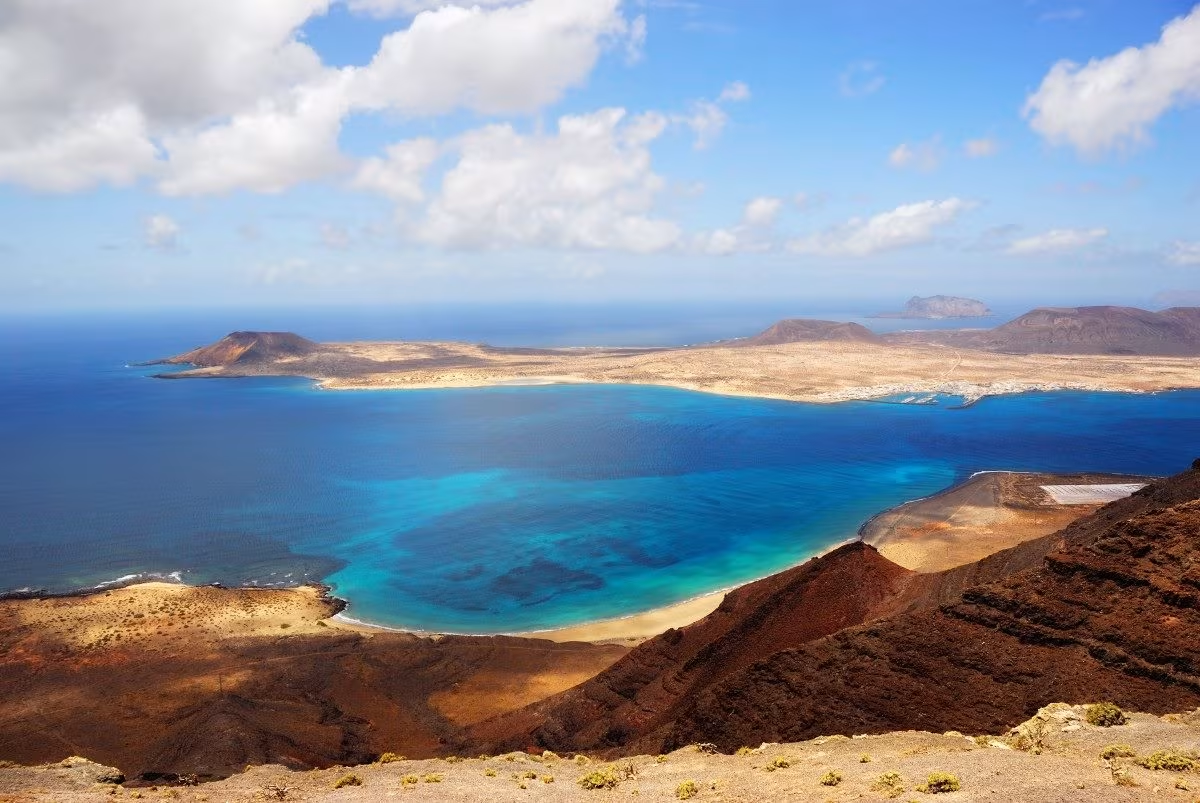
If you enjoy a touch of drama in your scenery, the Famara cliff walk from Guinate to Mirador del Rio is a real favourite. The path follows the very top of the Risco de Famara, with breathtaking drops of 600 metres to the ocean on one side and sweeping views across to La Graciosa on the other. Many of us consider this Lanzarote’s most spectacular walk, though it does call for a steady head for heights. The full route is 9km one way, so arranging a taxi or a second car for the return makes for a much more relaxed day.
If you fancy something gentle and scenic, the Papagayo coastal walk from Playa Blanca is a much-loved route for both locals and visitors. This easy 3km path follows the coastline, passing the old Castillo de las Coloradas before leading you to a string of golden sandy beaches. In just 30 to 40 minutes, you’ll find yourself at Playa de Papagayo, which many of us think is the finest beach in the Canary Islands. On warm days, a swim at the end is a real pleasure, and in summer you can even hop on a water taxi back to town.
If you are seeking solitude, the Los Ajaches circuit from Femes is hard to beat. This 12km loop takes you through the oldest volcanic landscape on Lanzarote, where the rocks have stood for 15 million years. It is not unusual to walk for hours without seeing another soul. From the ridge, you can gaze out over the Papagayo coast, across to Fuerteventura, and inland to the volcanic heart of the island. Allow four to five hours to really enjoy the peace and the views.
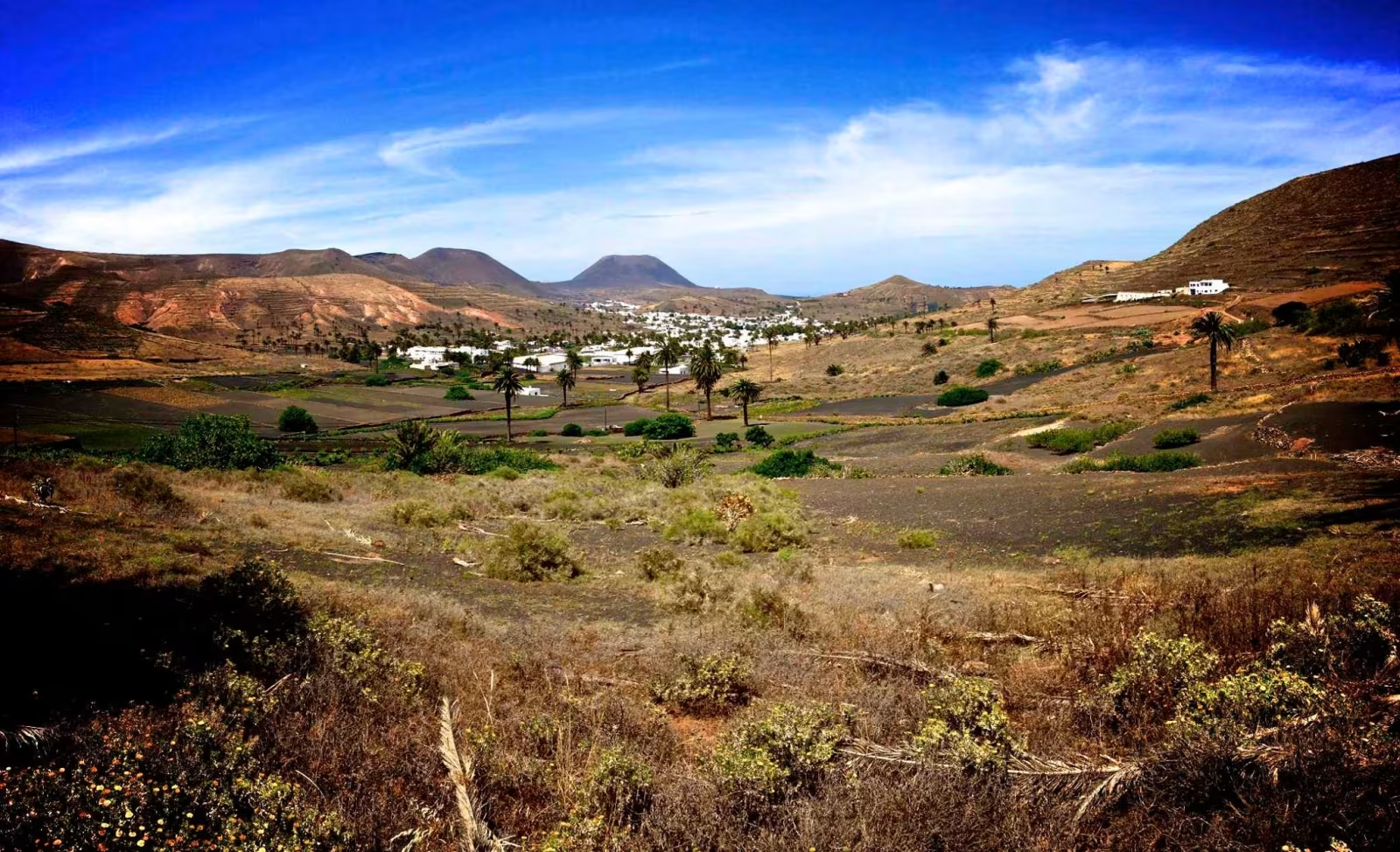
The Haria valley walk is a lovely route that descends from the Mirador de Haria viewpoint into the Valley of a Thousand Palms. The contrast between the rugged volcanic hills and the lush, palm-filled valley below is always striking, no matter how many times you see it. This is a shorter walk, around 5km, and is suitable for most fitness levels.
If you want to experience a wilder side of Lanzarote, the coastal path from Ye to Orzola is well worth discovering. This 6km route follows the untamed northern shoreline, winding past dramatic volcanic rock formations and natural tidal pools. It is rare to meet many other walkers here, as this path is much less travelled than those in the south. The terrain can be rough and there is little shade, so come prepared and take time to enjoy the raw beauty of this special corner of the island.
What to Wear when hiking in Lanzarote
If you take just one piece of advice from a local, let it be this: always bring plenty of water when you set out for a walk on Lanzarote. Shade is a rare luxury here, and even in the cooler months, the sun can be surprisingly fierce. The volcanic landscape soaks up the heat and gives it back in waves, so I always recommend at least 1.5 litres per person for a short stroll, and more for longer adventures. You won’t find any water along the trails, so it’s best to come prepared.
Good, sturdy walking boots are your best friend on Lanzarote’s volcanic and cliffside paths. The lava rock here is sharp and unforgiving, and it’s not unusual to come across loose stones underfoot. For the gentler coastal walks, lighter shoes will do, but they won’t stand up to the rugged lava fields for long. I’ve seen more than a few twisted ankles over the years, so a bit of ankle support goes a long way on our uneven terrain.
Sun protection is something we never take lightly here, no matter the season. A wide-brimmed hat, plenty of high-factor sunscreen, and a light long-sleeved shirt are all part of my usual kit. It’s easy to underestimate the sun, especially when a gentle breeze makes the day feel cooler than it really is, but sunburn can sneak up on you before you know it.
If you’re heading up onto the cliffs or higher ground, don’t forget something to keep the wind at bay. The Famara cliffs in particular are famous for their gusts, which can catch you off guard and even make you wobble a bit. It’s always a surprise how much cooler it feels up there, even when the coast below is basking in sunshine.
One thing to remember about walking on Lanzarote is that the trails are wonderfully unspoilt, but that means there are no facilities along the way. You won’t find toilets, shops or cafes out there, so it’s wise to bring everything you might need and, of course, take all your rubbish home with you.
Summer vs Winter Hiking in Lanzarote
If you enjoy walking, winter is a wonderful time to explore Lanzarote on foot. From November to March, daytime temperatures are pleasantly mild, usually between 18 and 22 degrees. The sun is warm enough to give you a gentle tan without being overwhelming, and now and then a little rain brings a welcome touch of green to the volcanic scenery. The days are a bit shorter, with sunset around 6pm in December, so it’s best to set out early if you’re planning a longer route.
Walking in summer is certainly possible, but it does come with its challenges. Temperatures often climb to 28 or even 32 degrees, and with little shade on the trails, the volcanic rock can become very hot underfoot. If you do decide to head out in the summer months, I always recommend starting at dawn and finishing by midday, before the heat becomes too intense. The Papagayo coastal walk is one of the few routes that feels manageable in summer, thanks to the refreshing sea breeze and the promise of a cooling swim at the end.
Spring is another lovely season for walking here, with warm but comfortable temperatures from March to May. The island still holds onto some of the greenery from the winter rains, and the wildflowers along the cliff paths are truly at their best. Autumn, from September to November, is also a good time to explore on foot, though it’s worth noting that September can still feel quite warm.
Guided Walking Companies in Lanzarote
There are a number of local companies here on Lanzarote who offer guided walks, and I often recommend them to visitors who want to get to know the island’s unique landscapes a little better. If you are new to the terrain, or simply want to learn more about our fascinating geology and wildlife from someone who knows the area well, a guided walk is a great choice. Most half-day walks cost between 30 and 50 euros per person.
Many of these companies run a weekly programme of walks that take in some of Lanzarote’s most beautiful routes, and they usually include hotel pick-up, which makes things easy. Some guides focus on special interests, like exploring the volcanic landscapes or spotting birds along the dramatic Famara cliffs. If you prefer something more personal, it’s also possible to arrange a private walk for your own small group.
For those who like to walk in good company, our local hiking clubs often welcome visitors to join their weekend outings. These walks are usually free, or you might be asked for a small contribution, and they are a wonderful way to discover hidden routes that don’t appear in the guidebooks.
Accessibility and Age Suitability
Hiking on Lanzarote offers something for everyone, but accessibility does depend on the route you choose. The Papagayo coastal walk is the easiest of the main options, with a gentle, mostly flat path of packed earth and sand. It is a short stroll that many people with moderate mobility can enjoy, though it is not suitable for wheelchairs. The beaches at the end are beautiful and unspoilt, but do remember there are no facilities, so it is best to come prepared.
The volcanic and cliff walks here are best suited to those who are steady on their feet, as the ground can be rough, uneven and quite steep in places. Caldera Blanca, for example, takes you across a dramatic lava field with loose, sharp rocks underfoot, while the Famara cliff walk offers breathtaking views but also has exposed edges and some challenging gradients. These routes are not suitable for wheelchair users or anyone with significant mobility difficulties.
If you are visiting with children, the Papagayo walk is a lovely choice for all ages, and the thought of a swim at the end is usually enough to keep little legs moving. Caldera Blanca is better suited to active youngsters aged eight and up who are happy to walk for three or four hours. I would not recommend the cliff walks for children under twelve, as the paths are unfenced and the drops are significant.
For older walkers in good health, there are plenty of rewarding routes to explore. I always recommend bringing walking poles for the volcanic paths and the steeper parts of the cliffs, as they make a real difference. Do keep in mind that shade is scarce and you will need to carry enough water, as the sun and the landscape can make even a short walk feel more challenging than expected.