Lanzarote Timanfaya National Park
Complete guide to Timanfaya National Park in Lanzarote. How to visit the Fire Mountains, coach tour, camel rides, accessibility, prices and tips.
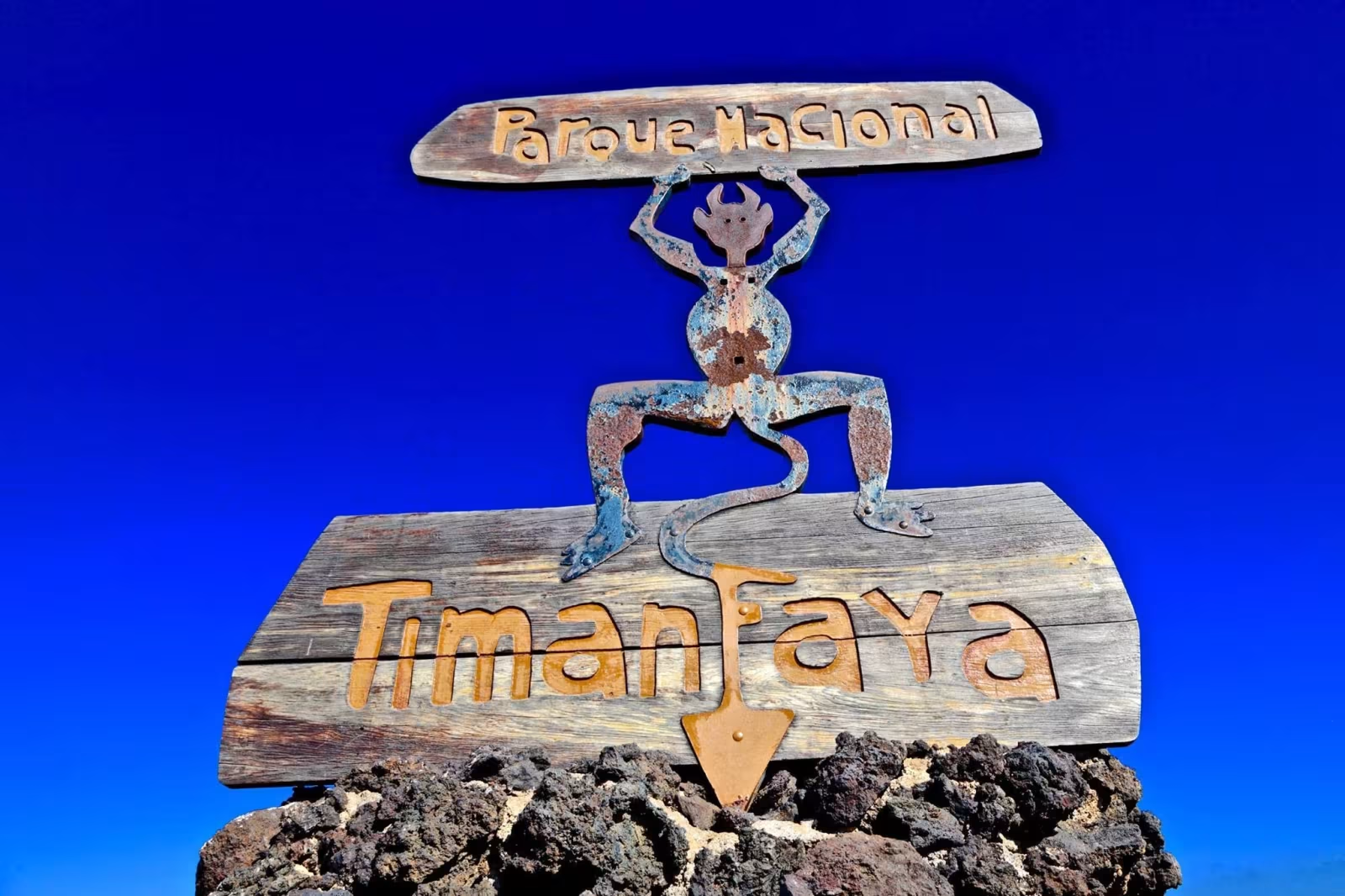
Timanfaya National Park stretches across 51 square kilometres of volcanic terrain, shaped by the eruptions of the 1730s that transformed the western side of Lanzarote. It is the island’s most popular attraction, welcoming over a million visitors each year, and it truly stands out as one of Europe’s most remarkable natural wonders.
The scenery here is striking and unlike anywhere else on the island. After six years of eruptions, the land was left covered in solidified lava, craters and volcanic cones, creating a place where very little has managed to grow even after all these years. The earth beneath your feet is still warm, with temperatures just below the surface reminding us that Lanzarote’s volcanic story is ongoing. When you find yourself surrounded by the red, black and ochre rocks that stretch as far as you can see, it is easy to feel a sense of awe at the power of nature.


Sponsored
Ruta de los Volcanes & The Volcano Grill
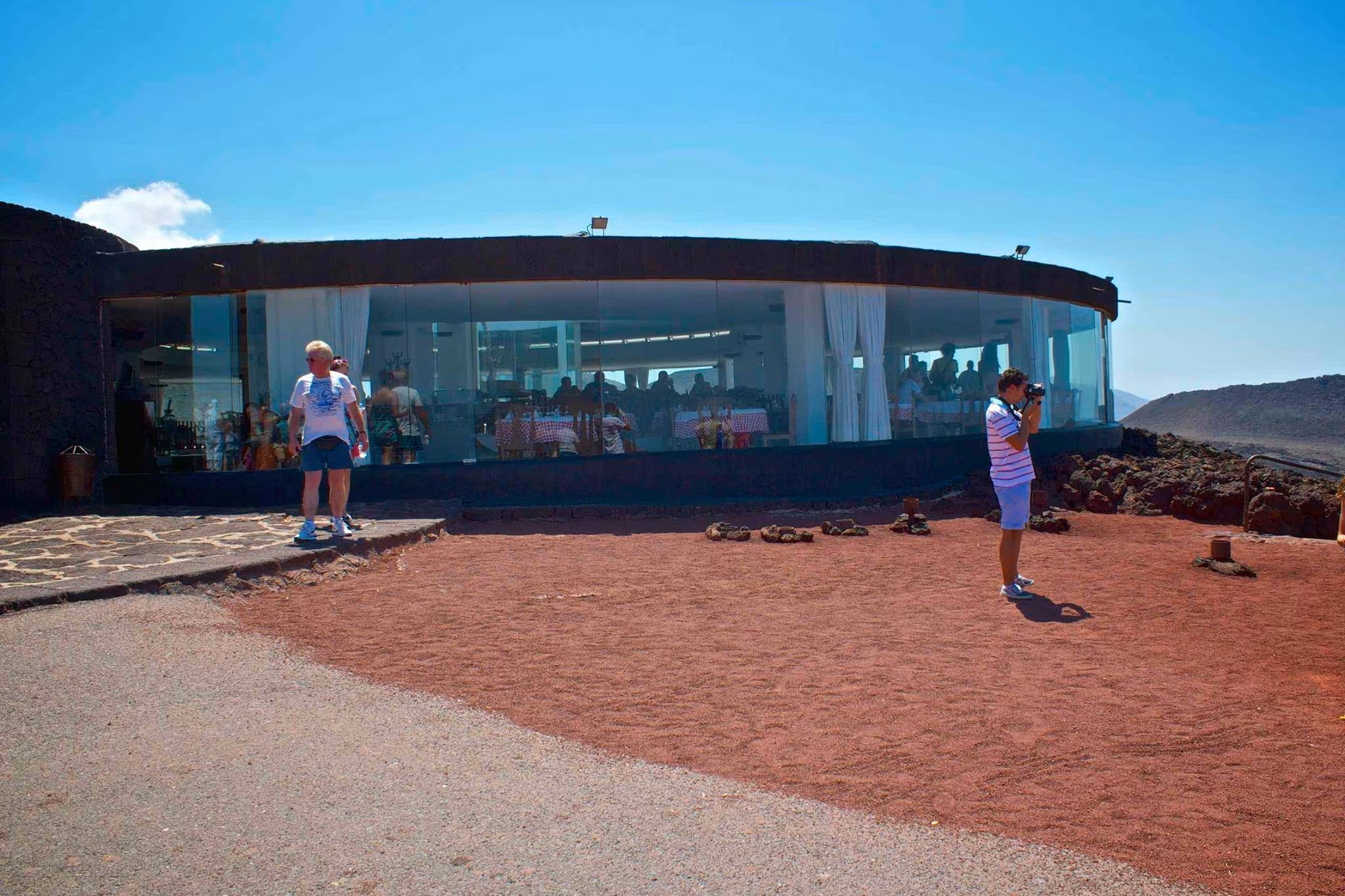
The only way to explore the park is by joining one of the guided coaches. Private cars and walkers are not allowed inside the boundaries, which helps to preserve the landscape. The coach takes you along the Ruta de los Volcanes, a winding route that weaves right through the heart of the lava fields, passing between dramatic cinder cones and over ancient rivers of black lava. The journey lasts around 35 to 40 minutes, with commentary in several languages that brings the story of the eruptions and the island’s geology to life.
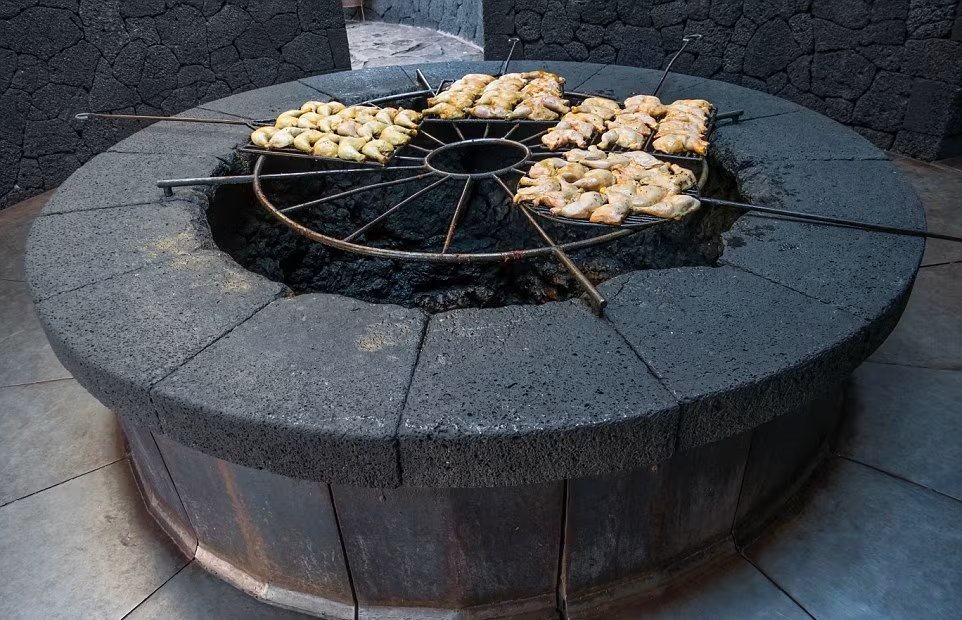
The scenery from the coach is truly breathtaking, with the landscape shifting constantly as you travel deeper into the volcanic heart of Lanzarote. At the Islote de Hilario visitor centre, you can watch staff demonstrate just how much heat still lies beneath the surface. Buckets of water poured into bore holes erupt into columns of steam, and dry brush bursts into flames in moments. If you are feeling adventurous, the on-site restaurant, El Diablo, offers the chance to enjoy meat or fish cooked right over a volcanic vent, using the earth’s natural heat. It is one of those unique Lanzarote experiences that visitors remember long after they leave.
The Timanfaya National Park Tickets
Booking in advance is required since 15th June 2026
Official booking website:
https://ventaonline.cactlanzarote.com/en/tickets/montanas-del-fuego-timanfaya-ticket
The booking process involves:
- Selecting your preferred visit date.
- Checking available entry times.
- Choosing your preferred slot.
- Purchasing your ticket online.
- Arriving approximately 15 minutes before your scheduled entry time for ticket validation.
The park welcomes visitors every day from about 9 in the morning until 5 in the afternoon. If you prefer a quieter experience, it is worth knowing that the longest queues for the coach tend to build up between 10.30am and 2pm, especially during the busy summer months when waiting times can stretch. Arriving after 2.30pm usually means a much shorter wait. If you would rather not queue at all, organised excursions are able to skip the lines, so booking through a tour company can be a good option.
Accessibility at The Timanfaya National Park
Timanfaya’s coach tour is a good option for wheelchair users, as the modern coaches on the Ruta de los Volcanes are thoughtfully adapted with ramps and lifts. Around the Islote de Hilario visitor centre, you will find smooth, paved paths that make it easy to explore the geothermal demonstration area and reach the restaurant. The toilets here also include accessible facilities, so you can relax and enjoy your visit with peace of mind.
The car park at Timanfaya is paved and gently sloped, so arriving is usually very straightforward. One thing I have always liked about this attraction is how accessible it is for most visitors, as the main experience takes place from the comfort of the coach. It is a real favourite with families, and children are often fascinated by the dramatic geothermal displays, especially when the water erupts into steam. There is very little walking involved, just getting on and off the coach. If you are travelling with a pushchair or stroller, these can be folded and stored on board. The only real challenge is for those who cannot manage the coach steps, as there is no wheelchair lift on these particular vehicles.
The Timanfaya National Park Camel Rides
The camel station, known locally as Echadero de los Camellos, sits just before the entrance to Timanfaya National Park on the LZ-67 road. As you approach, you will spot the camels waiting patiently, ready to take visitors on a gentle circuit across the striking volcanic landscape. Each camel carries two people in a double saddle, making it a memorable way to experience this unique part of Lanzarote.
The Lanzarote Camel ride itself lasts about 20 minutes and costs around 12 euros per person. There is no need to book ahead, but if you want to avoid the busiest times, it is best to arrive early in the morning or later in the afternoon, as queues tend to build up between 11am and 2pm. The experience is suitable for most ages, with little ones sharing a seat with an adult, though there is a minimum age for safety. If you have back problems or limited mobility, the gentle swaying of the camels may not be comfortable. There is also a small exhibition area and a rest stop where you can take photos and enjoy a closer look at these remarkable animals.
Around the Timanfaya National Park And The West Coast
The landscapes around Timanfaya have always held a special fascination for those of us who call Lanzarote home.
One of my favourite walks begins in the peaceful village of Mancha Blanca and leads up to the rim of Caldera Blanca, where you can gaze into the heart of a vast volcanic crater. Heading south, the coastal village of El Golfo is famous for its vivid green lagoon, Charco de los Clicos, set beside the remains of a half-submerged crater.
Here, you can enjoy some of the island’s best fresh fish, served right on the waterfront as the waves roll in.
Further along the coast, the salt pans at Salinas de Janubio offer a glimpse into Lanzarote’s history and are a photographer’s delight, especially at sunset. Just east of the park, the unique vineyards of La Geria show the ingenuity of local farmers, who plant vines in sheltered hollows behind crescent-shaped stone walls to protect them from the wind. The entire stretch of coastline from Tinajo to Yaiza was shaped by ancient eruptions, and even a simple drive through this area reveals the dramatic beauty that makes Lanzarote so special.