
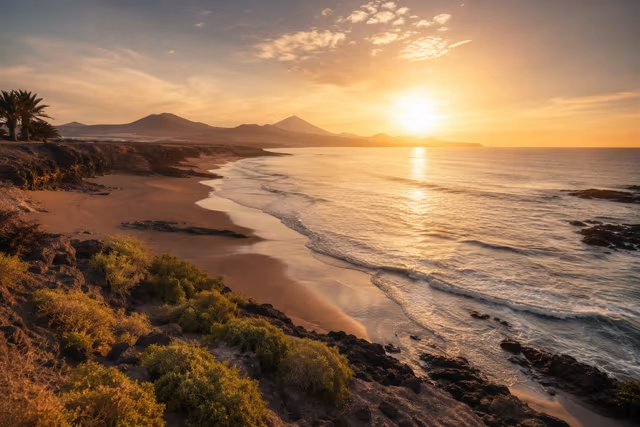

Canary Islands Losing Around Four Kilometres of Coastline Each Year, New Report Warns
The Canary Islands could be facing growing pressure on their coastlines as a new environmental report claims the archipelago is losing around four kilometres of natural coastline every year due to a combination of climate change and human development. The findings have sparked renewed debate about the future of the islands’ beaches, coastal communities and tourism industry.
For destinations like Lanzarote, where the coastline is one of its biggest attractions, the report highlights the importance of protecting beaches, marine habitats and natural landscapes for future generations.
Greenpeace Report Raises Concerns
The report, published by Greenpeace, states that around 150 kilometres of coastline across the Canary Islands are now considered at risk from rising sea levels, coastal erosion and increasing pressure from urban development.
According to the organisation, there are 18 areas of particular concern across the archipelago, with issues ranging from illegal construction and coastal infrastructure to the long-term effects of climate change. Greenpeace argues that traditional engineering solutions, such as repairing promenades or building additional sea defences after storms, are becoming increasingly expensive while offering only short-term protection.
What Does This Mean for Lanzarote?
Although the report covers the entire Canary Islands, it also references northern Lanzarote’s marine environment, where changing sea temperatures and ocean currents are believed to be affecting marine ecosystems.
Researchers have observed changes in fish populations and marine plant life, with warmer waters encouraging some tropical species while placing pressure on others that have traditionally been common around the island.
At present, there is no suggestion that Lanzarote’s popular tourist beaches are under any immediate threat, and visitors can continue to enjoy the island’s coastline as normal. However, environmental groups say long-term planning will be essential to protect these natural assets.
Why the Coastline Matters
The Canary Islands welcome millions of visitors every year, many of whom choose the islands for their beaches, coastal walks and water sports.
For Lanzarote, locations such as Playa Blanca, Puerto del Carmen, Costa Teguise and Famara are central to both tourism and everyday life for residents. Protecting these areas is not only important for wildlife but also for the local economy.
Experts say healthy dunes, natural beaches and coastal ecosystems can often provide better long-term protection against storms than relying solely on concrete structures and artificial beach regeneration.
Calls for More Sustainable Coastal Management
The report recommends giving greater priority to restoring natural coastal habitats rather than continuing to expand hard engineering projects wherever possible.
Among the proposals are:
- Restoring dunes and natural coastal ecosystems.
- Avoiding new development in vulnerable coastal locations.
- Using scientific evidence when planning future coastal protection.
- Reducing pressure on sensitive marine environments.
- Considering long-term adaptation as sea levels gradually rise.
A Long-Term Challenge
Climate change is expected to remain one of the biggest challenges facing coastal regions around the world over the coming decades, and the Canary Islands are no exception.
While many beaches across Lanzarote remain in excellent condition today, environmental experts say proactive planning and sustainable development will help ensure they continue to be enjoyed by both residents and visitors well into the future.
