

Did You Know? Janubio's Salt Pans Are a Stopover for Migrating Birds
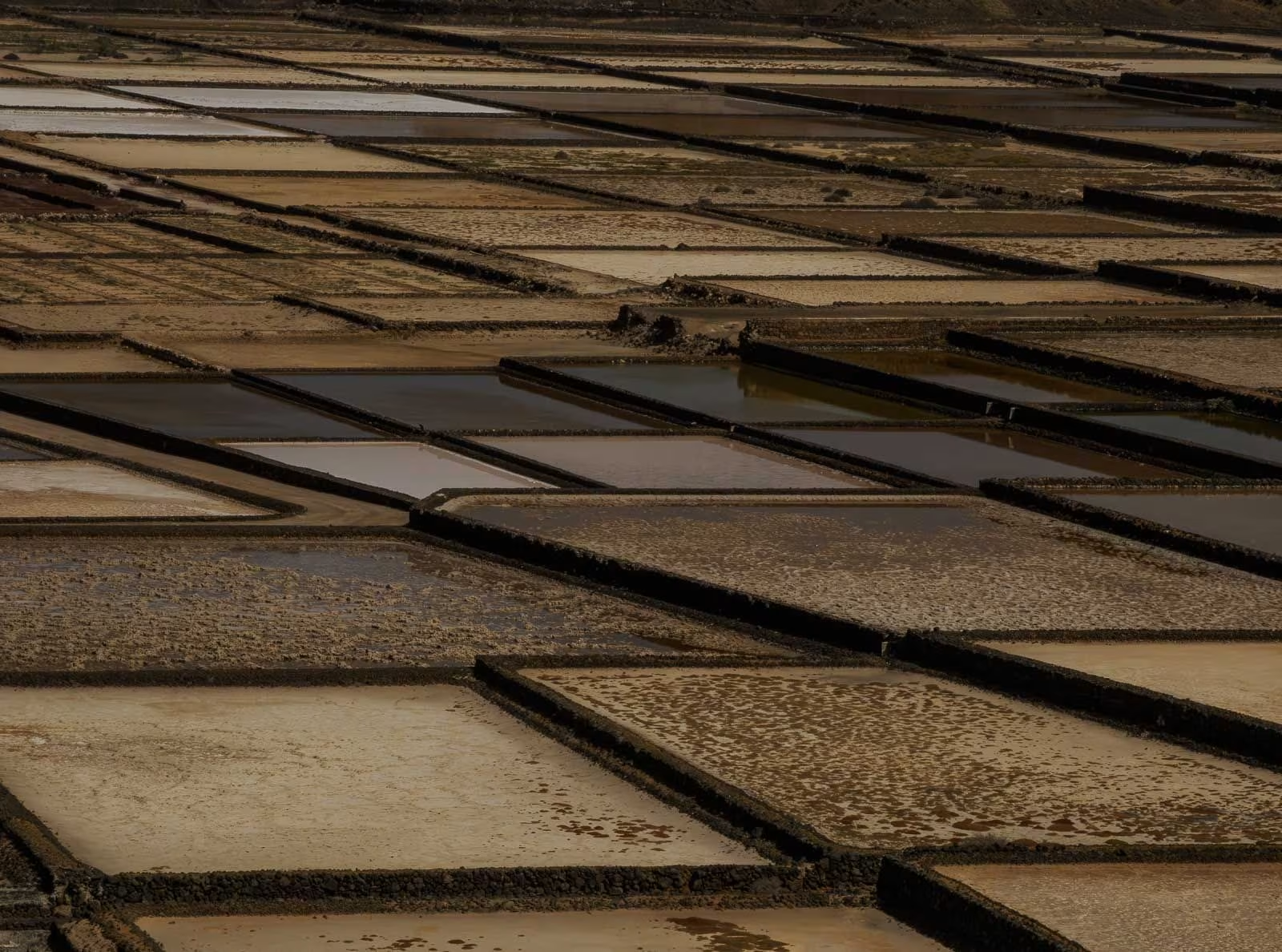
The dramatic salt pans of Janubio are famous for their sweeping views, traditional salt production and changing colours. But they are also an important place for birds travelling between Europe and Africa.
Situated on Lanzarote's south-west coast, the Salinas de Janubio provide feeding and resting habitat for waterbirds, particularly waders. The Canary Islands' official Natura 2000 information identifies the site as one of the archipelago's important locations for aquatic birds, with around 35 species of wader recorded there.
The site is especially significant during spring and autumn migration, as well as in winter. Species recorded include dunlins, sanderlings, greenshanks, redshanks and ruddy turnstones, there, at times have even been flamingoes spotted there.
Janubio's landscape was also shaped by Lanzarote's volcanic history. The official site description explains that eighteenth-century lava flows altered the coastal inlet, leaving it separated from the sea by a lava arm. Today, the saltworks sit within this distinctive volcanic setting.
So when you admire the salt pans, look beyond the colours and reflections: Janubio is also a valuable wildlife refuge on Lanzarote.
