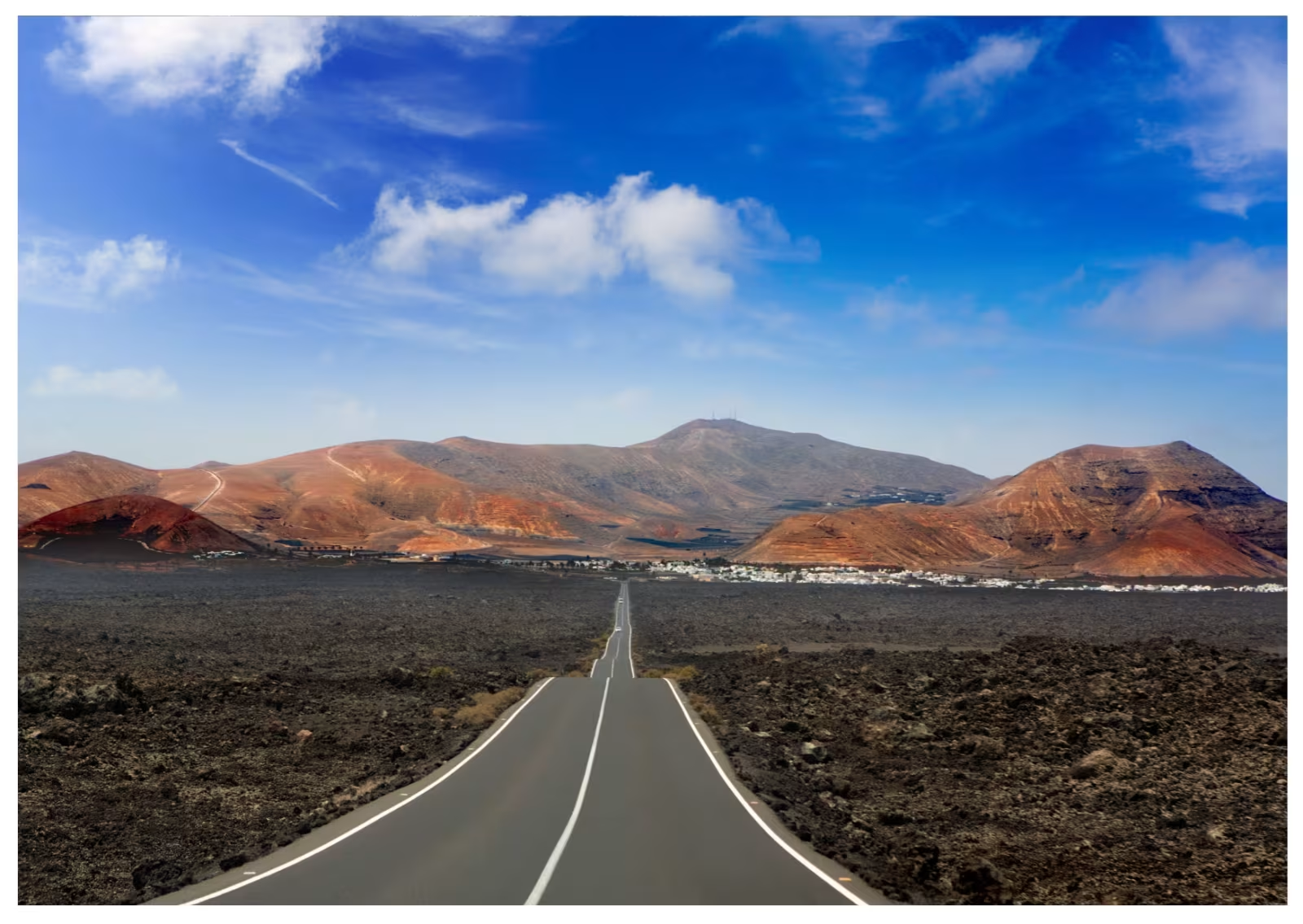
The Ultimate Lanzarote Road Trip Guide
Lanzarote is made for exploring by car. In less than an hour, you can travel from golden beaches and lively resorts to ancient villages and vineyards.
The Ultimate Lanzarote Road Trip Guide
Discover volcanoes, hidden villages, dramatic coastlines and the island’s most unforgettable views
Lanzarote is made for exploring by car. In less than an hour, you can travel from golden beaches and lively resorts to ancient villages, vineyards growing in volcanic ash and landscapes that look as though they belong on another planet.
Hiring a car gives you the freedom to discover the island at your own pace. You can stop for photographs, explore a village you hadn’t planned to visit, find a quiet beach or stay a little longer to watch the sun set over the Atlantic.
The good news? Lanzarote is relatively compact, so you don’t need to spend your holiday travelling long distances. The secret is to explore the island in sections rather than trying to see everything in one day.
Here is our ultimate Lanzarote road trip guide, with routes for the south, north and central areas, plus a few extra stops to make your journey even more memorable.
Before You Set Off
A few simple tips will help you get the most out of your Lanzarote road trip.
- Allow several days. You can see many highlights in one long day, but three or four days will give you a much more relaxed experience.
- Start early for popular attractions. This is particularly useful for Timanfaya National Park and the island’s major visitor centres.
- Book important attractions in advance. Check official opening times, ticket arrangements and availability before travelling.
- Keep water in the car. The sun can be strong even when the temperature feels comfortable.
- Bring a light jacket. The north and coastal viewpoints can be windy.
- Take your time on the roads. Some of Lanzarote’s most beautiful scenery is found between the main attractions.
- Respect the landscape. Much of the island is protected. Stay on marked routes and never drive off-road onto volcanic terrain.
Route 1: The Volcanic South
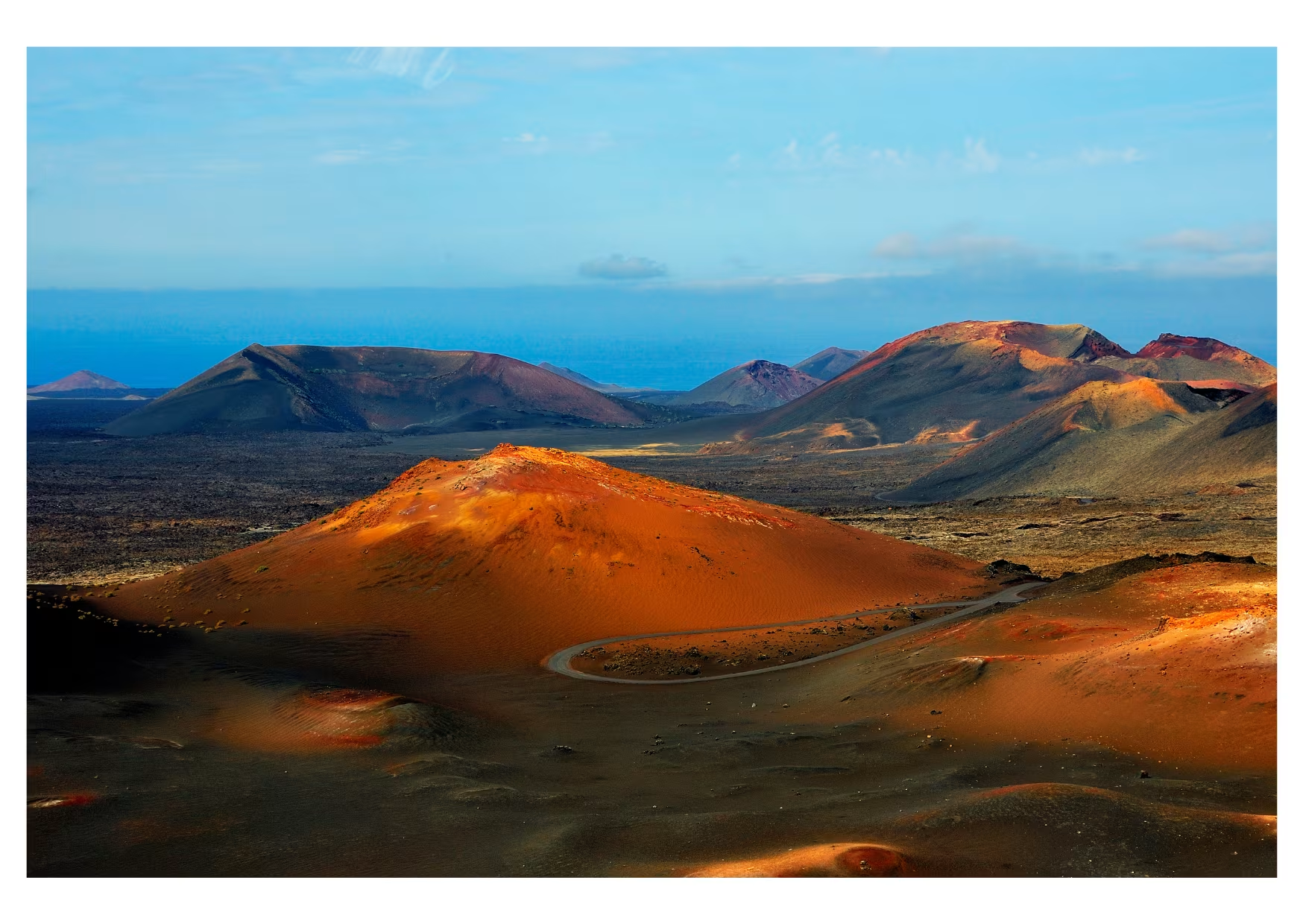
Timanfaya, La Geria, El Golfo and the dramatic west coast
Best for: First-time visitors, volcanic scenery, photography and spectacular coastal views
Allow: A full day
This is one of the most memorable drives on the island. It combines Lanzarote’s volcanic heart with vineyards, traditional villages and a rugged coastline shaped by centuries of eruptions.
1. Timanfaya National Park
Begin your day at Timanfaya National Park, home to the famous Montañas del Fuego, or Fire Mountains.
The landscape is extraordinary: vast fields of dark lava, red and ochre volcanic cones and almost no vegetation in some areas. It is one of the best places to understand how dramatically volcanic activity shaped Lanzarote.
The main visitor experience at Montañas del Fuego includes a guided bus route through the volcanic landscape. Visitors should follow the official access arrangements and check ticket information before setting off. Private cars cannot simply drive freely through the national park.
For a deeper understanding of the area, consider stopping at the Mancha Blanca Visitor and Interpretation Centre.
2. La Geria: Lanzarote’s Unique Vineyards
From Timanfaya, head towards La Geria, one of the island’s most distinctive agricultural landscapes.
Here, vines grow in individual hollows dug into the volcanic ash, often protected by curved stone walls. The result is a striking pattern of dark soil, green vines and traditional stonework.
This is also the heart of Lanzarote’s wine-growing region. Stop at a local bodega to learn about the island’s unusual growing methods and, if you wish, sample a locally produced wine.
If you are driving, remember to enjoy wine tasting responsibly and arrange a designated driver.
3. Yaiza and Uga
Continue through Yaiza, often admired for its whitewashed buildings, colourful gardens and traditional Canarian atmosphere.
Nearby Uga is another lovely place to slow down. It is known for its traditional character and its connection with Lanzarote’s agricultural landscape.
These villages make a welcome contrast to the dramatic volcanic scenery.
4. Los Hervideros
Next, follow the coast to Los Hervideros, where waves crash against cliffs and flow into openings in the volcanic rock.
The name roughly translates as “the boiling pots”, and on a day with a strong swell, you can understand why. The ocean can appear to churn and explode through the natural rock formations.
Stay behind barriers and keep a safe distance from the water. Conditions can change quickly, and the waves are powerful.
5. El Golfo and the Green Lagoon
Finish the coastal section at El Golfo, a small fishing village with a dramatic black-sand beach.
Nearby is the famous Charco de los Clicos, often called the Green Lagoon. Its unusual colour contrasts beautifully with the black volcanic sand and surrounding cliffs.
The viewpoint is a short walk from the village. The lagoon is a protected natural feature, so visitors should admire it from the designated viewpoint rather than entering the area.
6. Janubio Salt Flats
If time allows, continue to the Salinas de Janubio. The salt flats are particularly beautiful in the changing light, with colours ranging from white and pink to deep blue and brown.
This is an excellent final stop before heading back towards your resort.
Suggested route: Timanfaya → La Geria → Yaiza → Uga → Los Hervideros → El Golfo → Janubio
Route 2: The Magical North
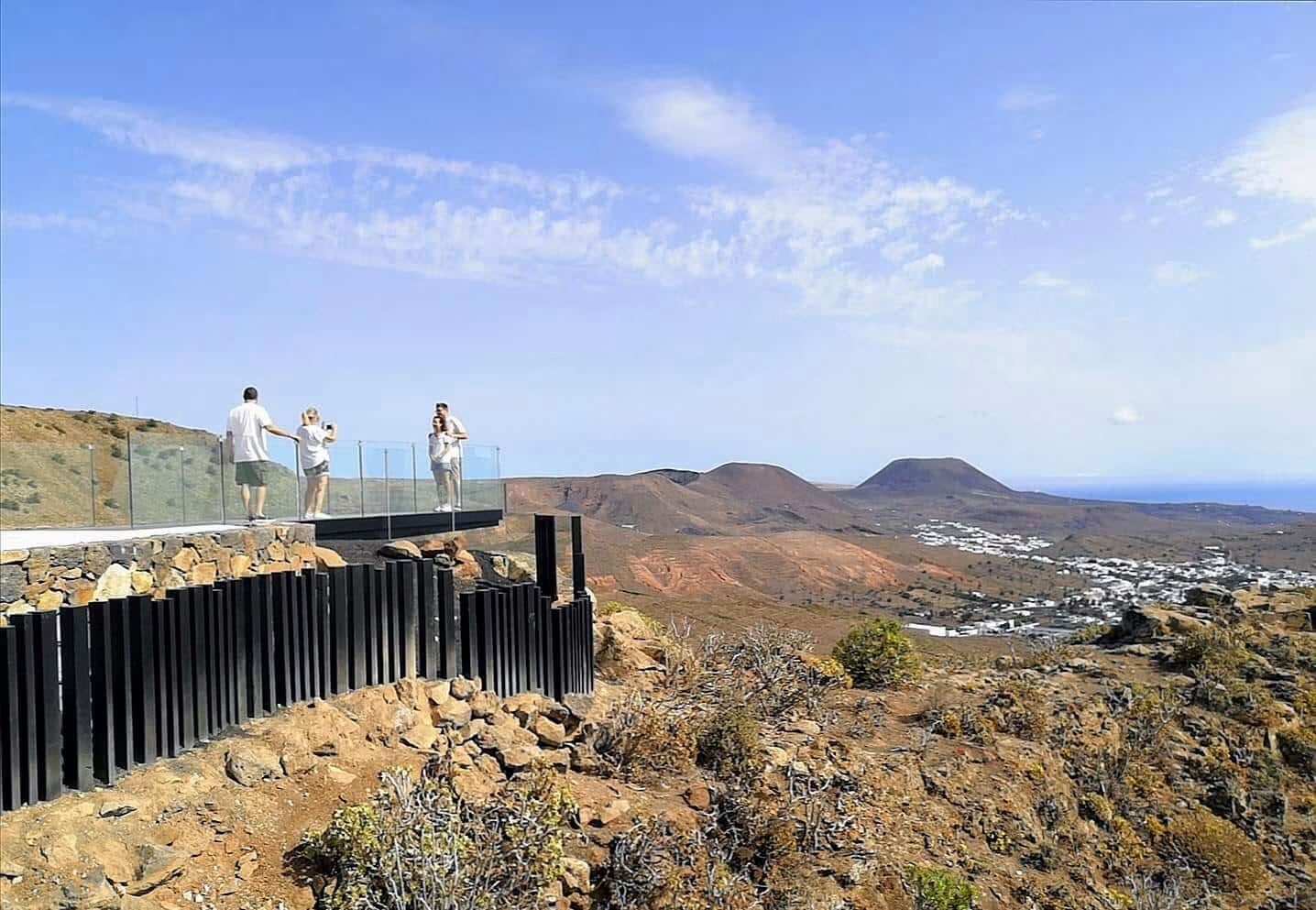
César Manrique, lava caves, traditional villages and incredible viewpoints
Best for: Art, architecture, caves, viewpoints and island culture
Allow: A full day
The north of Lanzarote has a different feel from the south. It is greener in places, more mountainous and full of villages tucked into valleys.
It is also the best area to discover the work of César Manrique, the Lanzarote artist and architect whose influence can be seen throughout the island.
1. Mirador del Río
Start at Mirador del Río, one of Lanzarote’s most spectacular viewpoints.
Built into the cliffs of Famara, it offers breathtaking views across the sea to La Graciosa and the Chinijo Archipelago.
On a clear day, the view is unforgettable. It is worth checking the weather before you go, as low cloud or strong winds can affect the experience.
2. Haría: The Valley of a Thousand Palms
Drive inland to Haría, a beautiful village surrounded by palm trees and green valleys.
It is a wonderful place to stop for a coffee, wander through the streets or simply enjoy a slower pace.
Haría is also associated with César Manrique, who lived in the area during the later part of his life.
3. Cueva de los Verdes
Continue towards Cueva de los Verdes, an extraordinary lava tube created by volcanic activity.
The guided visit takes you through a section of the cave, revealing the shapes and textures formed as molten lava flowed through the earth.
The cave is a reminder that Lanzarote’s landscape is not just volcanic on the surface. Beneath the island lies an equally fascinating world.
4. Jameos del Agua
Nearby is Jameos del Agua, another remarkable creation by César Manrique.
This natural volcanic formation has been transformed into a visitor attraction featuring a lagoon, gardens, architecture and cultural spaces.
It is one of the island’s most recognisable attractions and a beautiful example of how art and nature can work together.
5. Punta Mujeres and Arrieta
After exploring the caves, head towards the coastal villages of Punta Mujeres and Arrieta.
These are lovely places to enjoy a more local atmosphere, with natural swimming pools, traditional houses and seaside restaurants.
If you fancy a lunch stop, this stretch of coast is a good place to enjoy fresh fish or other Canarian dishes.
6. Jardín de Cactus
Finish your northern route at Jardín de Cactus, another César Manrique creation.
The garden features an impressive collection of cacti arranged within a former quarry, with volcanic stone walls and a traditional windmill completing the scene.
It is a peaceful and unusual final stop before returning to your accommodation.
Suggested route: Mirador del Río → Haría → Cueva de los Verdes → Jameos del Agua → Punta Mujeres → Arrieta → Jardín de Cactus
Route 3: The Heart of Lanzarote
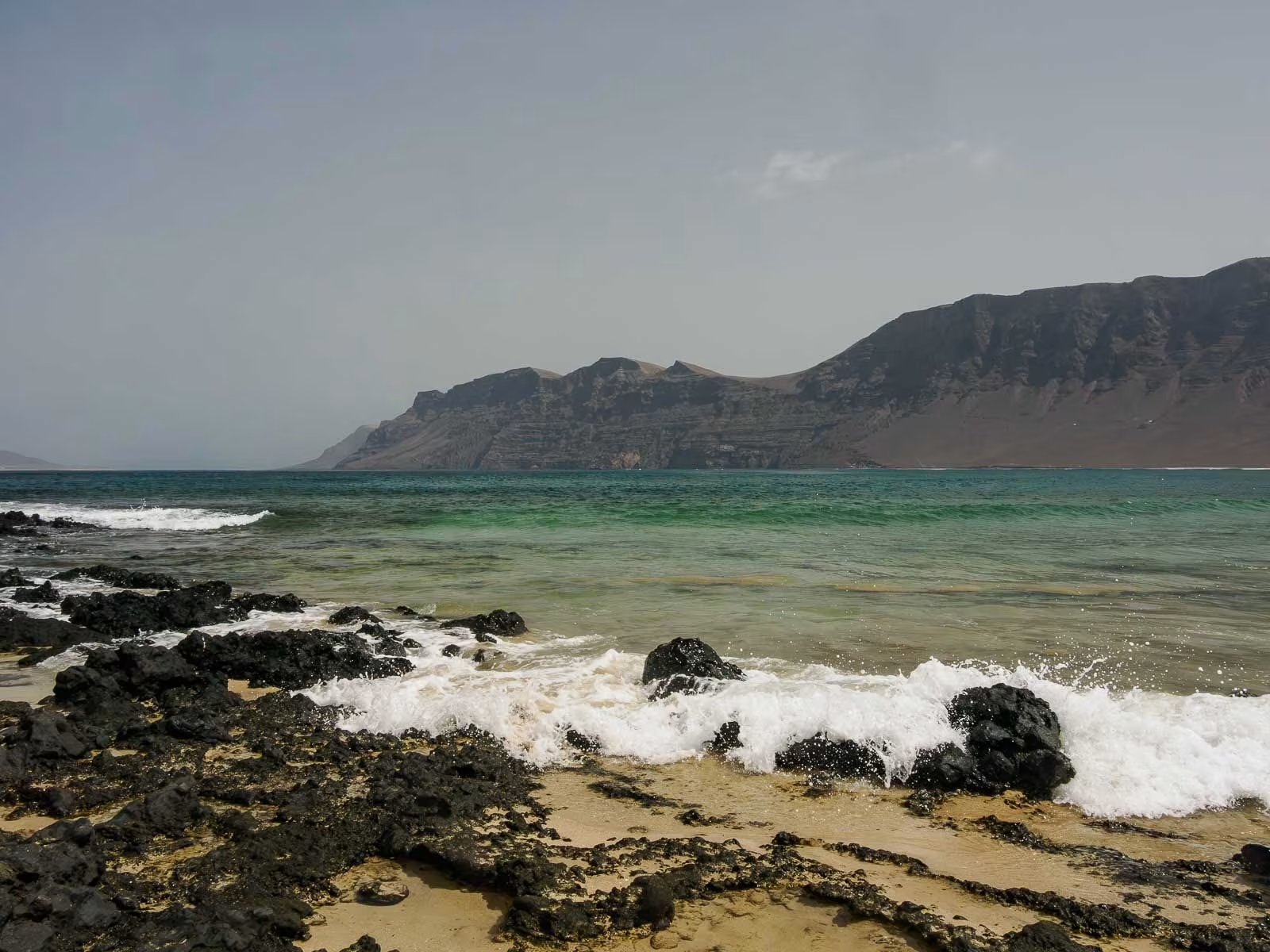
Teguise, Famara, Monumento al Campesino and the island’s traditional side
Best for: Traditional villages, culture, local history and beautiful countryside
Allow: Half a day to a full day
The centre of Lanzarote is often overlooked by visitors who head straight for the beaches or volcanic attractions. But this part of the island has some of its most charming villages and landscapes.
1. Villa de Teguise
Begin in Teguise, the island’s former capital.
Its historic streets, whitewashed buildings and traditional architecture make it one of the most attractive places to explore on foot.
If you visit on a Sunday, the famous market brings extra life to the town. It can be busy, so arrive early if you prefer a quieter experience.
2. Castillo de Santa Bárbara
Above Teguise stands Castillo de Santa Bárbara, a historic fortress with wide views over the surrounding landscape.
The castle is located on the volcanic cone of Guanapay and offers a different perspective on Lanzarote’s interior.
3. Caleta de Famara
From Teguise, head towards Caleta de Famara, a village set beneath the dramatic cliffs of the Famara massif.
The beach is vast and beautiful, with a wild Atlantic atmosphere that feels very different from the sheltered resort beaches.
Famara is popular with surfers and walkers, but the sea can be dangerous. Always check local conditions and obey beach flags.
4. Monumento al Campesino
Continue towards Monumento al Campesino, a tribute to Lanzarote’s farming traditions and rural communities.
The striking monument and surrounding buildings were designed by César Manrique. It is a good place to learn more about the island’s agricultural history and the ingenuity required to farm in such a dry environment.
5. San Bartolomé and Mozaga
Take your time driving through San Bartolomé and Mozaga, where you can see more of Lanzarote’s traditional rural landscape.
This is a lovely route for anyone interested in the island beyond its resorts.
Suggested route: Teguise → Castillo de Santa Bárbara → Famara → Monumento al Campesino → San Bartolomé → Mozaga
Route 4: The Far South
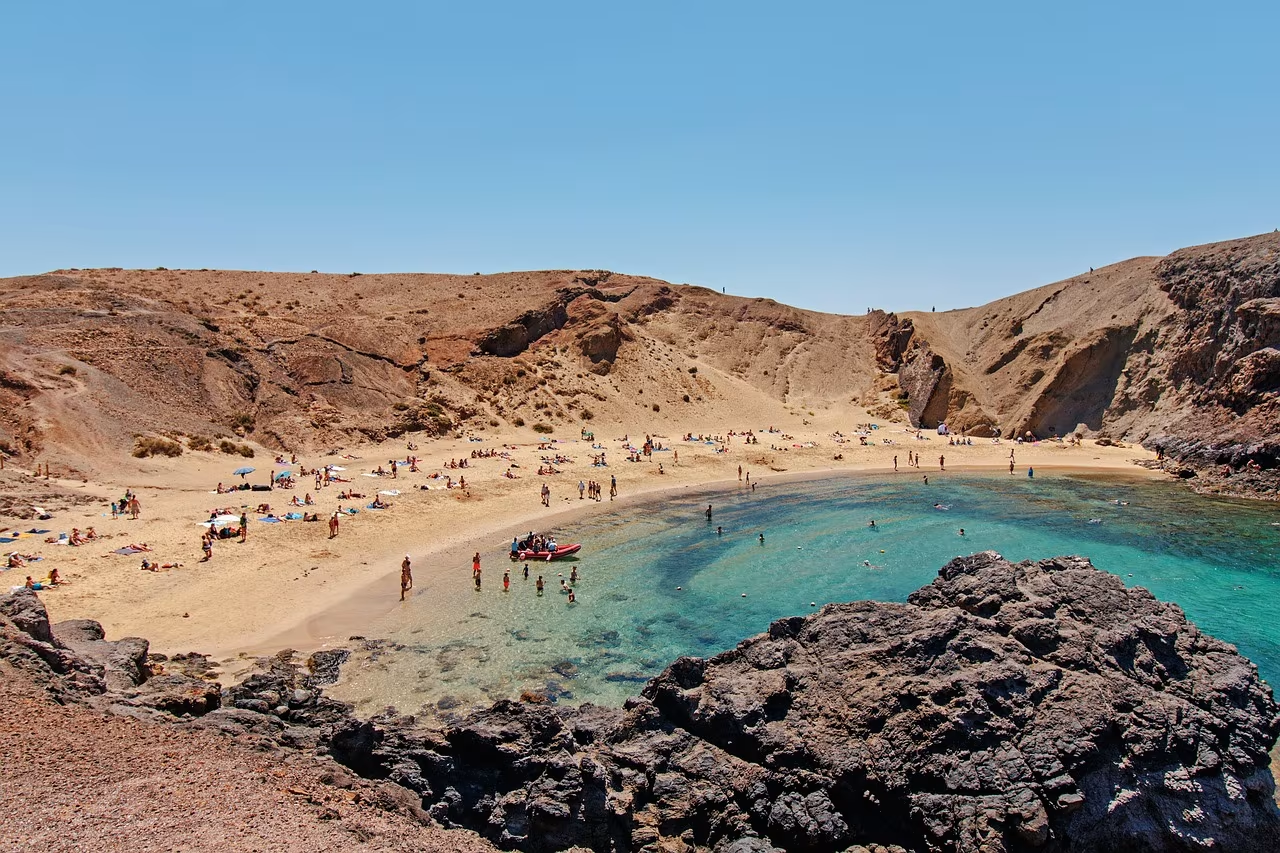
Papagayo beaches, Femés and Playa Blanca
Best for: Beaches, coastal scenery and a relaxed day
Allow: Half a day to a full day
The south of Lanzarote is home to some of the island’s most famous beaches and a number of beautiful viewpoints.
1. Playa de Papagayo
The Papagayo beaches are among Lanzarote’s best-known natural coves.
The water can be beautifully clear, and the sheltered bays are popular for swimming and relaxing. Access roads may be unpaved, so drive carefully and check local access conditions before travelling.
Bring water, snacks and sun protection, as facilities can be limited depending on which cove you choose.
2. Femés
From the coast, head inland to Femés, a small village set among the mountains.
The viewpoint near the village offers sweeping views across the southern landscape and, on a clear day, towards Fuerteventura.
It is a wonderful stop for photographs and a reminder of how varied Lanzarote’s scenery can be.
3. Playa Blanca
Finish the day in Playa Blanca, where you can enjoy a walk along the promenade, browse the marina or stop for dinner.
It is a relaxed way to end a day exploring the island’s southern coast.
Suggested route: Papagayo → Femés → Playa Blanca
Route 5: A Coastal Drive for Beach Lovers
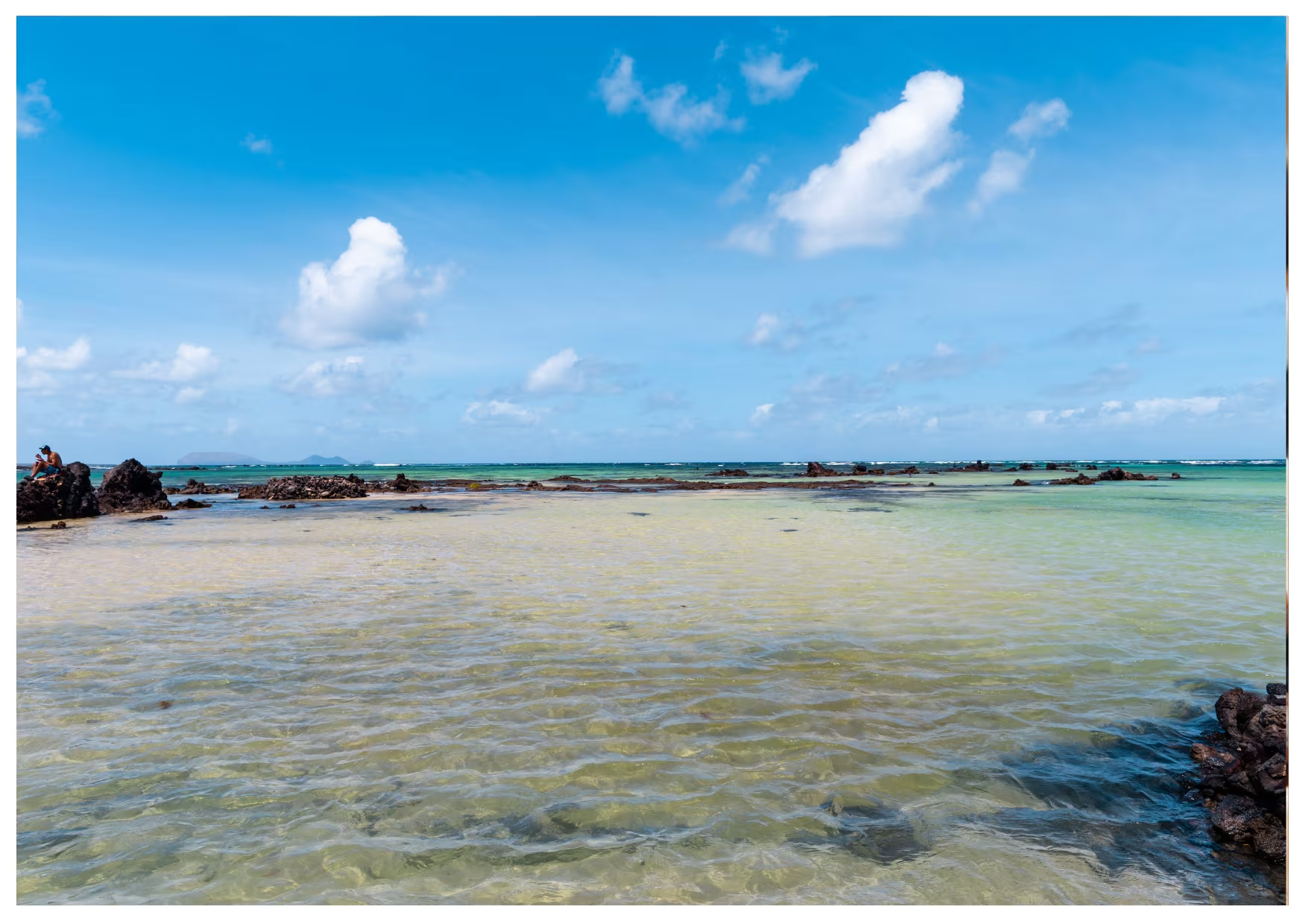
From Órzola to Arrieta and the island’s northern coast
Best for: Natural pools, quieter beaches and coastal villages
Allow: Half a day
If you love the sea, this route is a wonderful way to explore the northern coastline.
1. Órzola
Start in Órzola, a small fishing village and the departure point for ferries to La Graciosa.
It has a laid-back atmosphere and makes a good base for exploring the northern beaches.
2. Caletón Blanco
Caletón Blanco is famous for its white sand set against black volcanic rock.
At suitable tides and sea conditions, natural pools form between the lava, creating a striking contrast of colours.
Check the tide and sea conditions before swimming. The pools are natural, and conditions are not always safe.
3. Playa de la Cantería
Near Órzola, Playa de la Cantería is a beautiful beach with a more rugged feel.
It is especially attractive for photography and coastal walks, but the sea can be rough. It is not a beach to assume is safe for swimming.
4. Punta Mujeres and Arrieta
Continue south to Punta Mujeres and Arrieta, where you can discover natural swimming pools and enjoy a meal by the sea.
This route is best enjoyed without rushing. Stop wherever the coastline catches your eye, while making sure you park safely and respect local access rules.
Can You Drive Around Lanzarote in One Day?
Yes, it is possible to see a large part of Lanzarote in one day because the island is relatively compact. However, trying to visit every major attraction in a single day can turn a holiday into a race against the clock.
The official tourism route for the south, for example, is around 80 kilometres and is estimated at approximately six hours, before allowing for longer visits or meals. <
For a more enjoyable experience, we recommend:
Time available | Best plan |
1 day | Choose either the volcanic south or the north |
2 days | Explore the south on day one and the north on day two |
3 days | Add Teguise, Famara and the central villages |
4–5 days | Explore at a relaxed pace and include beaches, viewpoints and longer stops |
Essential Lanzarote Driving Tips
Take care on volcanic roads
Some roads pass through exposed volcanic landscapes with little shade. Keep your attention on the road and pull over only in safe, designated places.
Check attraction access before travelling
Timanfaya National Park has specific visitor arrangements. The main Montañas del Fuego experience is accessed through the official visitor facilities, rather than by freely driving around the park. Check the official information before setting off. <Cite refs={[“turn368873search2”,“turn368873search9”]}/>
Don’t underestimate the sun
Even on a breezy day, the sun can be strong. Keep water, sun cream and a hat in the car.
Respect the island’s natural environment
Lanzarote’s volcanic landscapes are fragile. Do not drive onto lava fields, remove stones or plants, or leave rubbish behind.
Allow time for unexpected stops
One of the best things about a Lanzarote road trip is discovering places you hadn’t planned to visit. A village square, a coastal viewpoint or a quiet stretch of road can become a holiday highlight.
The Best Lanzarote Road Trip Is the One You Don’t Rush
Lanzarote may be a small island, but it offers an extraordinary variety of landscapes and experiences.
You can spend the morning exploring volcanic craters, enjoy lunch in a traditional village, visit an art attraction in the afternoon and watch the sun set over the Atlantic—all in the same day.
Whether you are staying in Puerto del Carmen, Costa Teguise or Playa Blanca, a hire car opens up a different side of the island.
So take the scenic route, stop for photographs, explore somewhere new and remember: the journey is just as much a part of your Lanzarote holiday as the destination.