
Did You Know? Lanzarote's Cochineal Insect Produces Natural Carmine Dye
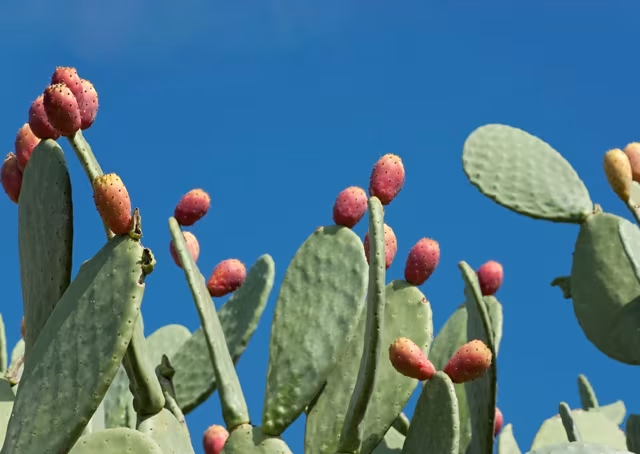
The green prickly pear cactus fields around Guatiza and Mala are a familiar sight in northern Lanzarote. But hidden among the cactus pads is a tiny insect that once helped make the island an important producer of a highly prized natural red dye.
It is called cochineal, or cochinilla, and the species traditionally cultivated in the Canary Islands is Dactylopius coccus. The insect lives on prickly pear cactus, known locally as tunera, feeding on the plant's sap. The adult females contain carminic acid, the natural pigment used to produce carmine.
From cactus fields to colour
Cochineal farming became established in the Canary Islands during the nineteenth century, when demand for natural dyes was growing. In Lanzarote, cultivation became particularly associated with Guatiza and Mala, where rows of prickly pear cactus provided the host plants needed to raise the insects.
After harvesting, the adult female insects are dried. The resulting raw material is processed to extract carminic acid, which produces a rich red colour. This natural colourant has been used in textiles and other products, and is also permitted as a food colouring.
You may even have seen it on an ingredients label. In the European Union, cochineal-based colouring is identified as E120.
A heritage with protected status
The traditional product, known as Cochinilla de Canarias, has a Protected Designation of Origin. The Canary Islands Government describes it as the dried adult females of Dactylopius coccus collected from prickly pear cactus and used to obtain natural carminic acid.
The cultivation is more than an unusual agricultural practice. It forms part of the cultural and economic history of the islands, and the cactus landscapes of northern Lanzarote are a visible reminder of that heritage.
An important distinction
Not every cochineal insect is the same. The traditional dye-producing species, Dactylopius coccus, should not be confused with Dactylopius opuntiae, a different species that can seriously damage and kill prickly pear plants. The Canary Islands Government has published guidance explaining the differences between the two.
So, the next time you pass the tunera fields of Guatiza and Mala, remember that these cactus plantations have a remarkable story behind them. A tiny insect helped create a valuable natural colour and left a lasting mark on Lanzarote's agricultural history.