
Dog Poisoning Warning Issued in Haría as Pet Owners Urged to Take Extra Care
Pet owners in northern Lanzarote are being urged to take extra care when walking their dogs following two suspected cases of poisoning reported in the municipality of Haría.
The warning has been issued by SARA Protectora de Animales, the Lanzarote animal protection organisation, after it became aware of two possible cases involving dogs in the Haría area.
At this stage, the incidents are being described as suspected cases, and there is no indication that authorities have confirmed the exact substance involved or that a wider poisoning incident has been established.
However, SARA is asking dog owners and anyone walking pets in the north of Lanzarote to remain particularly vigilant while the circumstances are investigated.
Extra caution advised when walking dogs in Haría
The advice is particularly relevant for anyone walking dogs in public areas around Haría, Lanzarote, where owners are being encouraged to keep a close eye on their animals.
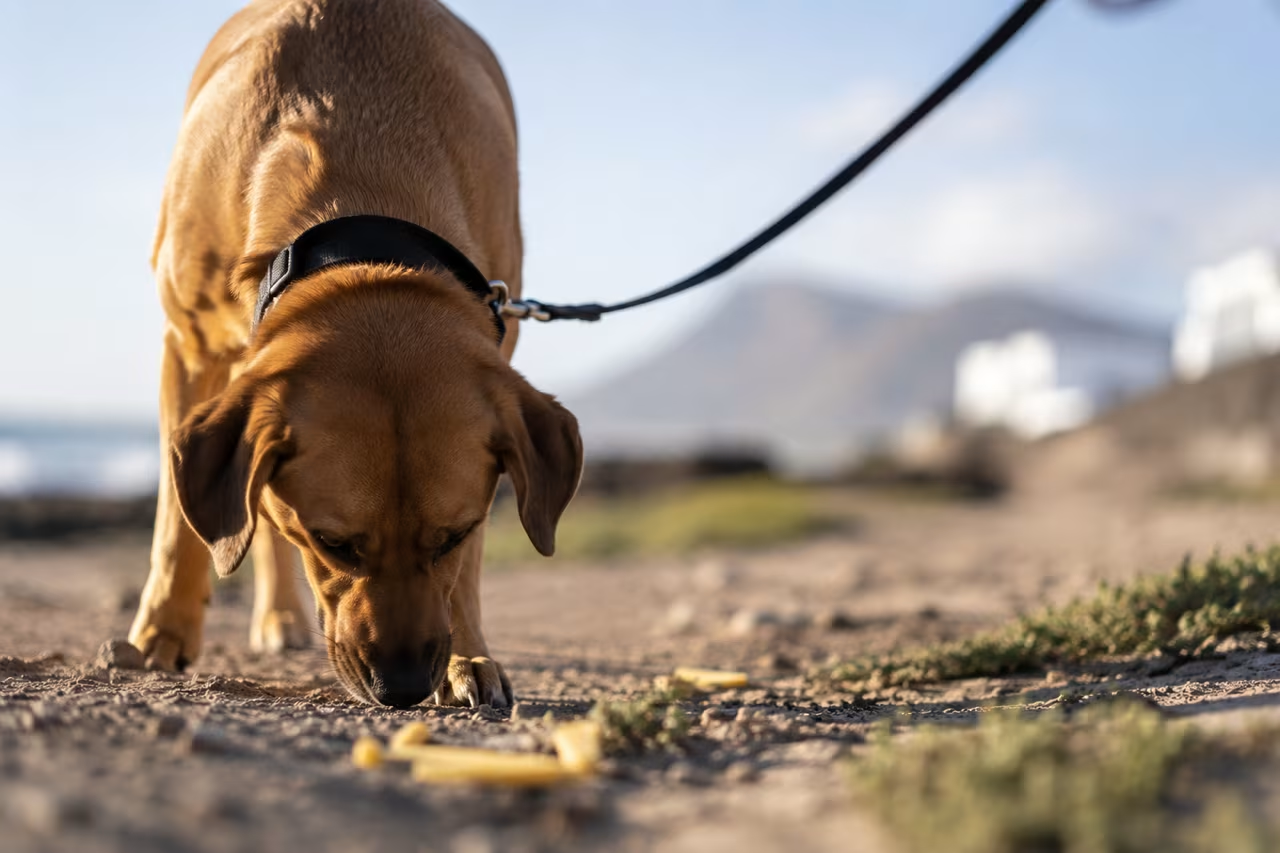
Dogs can naturally be curious when out walking and may pick up food, scraps or unfamiliar objects from the ground. SARA is advising owners not to allow their pets to eat anything they find outdoors, particularly anything that appears unusual or deliberately placed.
The organisation is also asking people to report anything suspicious rather than attempting to investigate or remove it themselves.
For residents, this is a reminder to be especially observant during regular dog walks. For tourists staying in Haría and northern Lanzarote, it is equally important to keep dogs under close supervision when exploring walking routes and outdoor areas.
What should you do if you see something suspicious?
If you come across an object, food or substance that you believe could potentially be a poisoned bait, the advice from the Canary Islands authorities is very clear: do not touch it or remove it yourself.
The Canary Islands Government’s guidance on suspected poisoned bait recommends contacting the appropriate authorities, including SEPRONA (the environmental protection unit of the Guardia Civil) or environmental agents. The guidance specifically warns against removing suspected poisoned baits or animal remains because doing so can interfere with any subsequent investigation.
Instead:
- Keep your dog away from the area.
- Do not touch or move any suspicious food or substance.
- Take note of the location if it is safe to do so.
- Report the suspected bait or incident to the relevant authorities.
- If your dog may have eaten something suspicious, seek veterinary assistance immediately.
What are the signs of possible poisoning in a dog?
The symptoms of poisoning can vary considerably depending on the substance involved. A dog that suddenly becomes unwell after being outdoors should be assessed by a veterinarian as quickly as possible.
Possible signs of poisoning can include sudden weakness, vomiting, unusual behaviour, shaking, difficulty walking, excessive salivation, seizures or collapse.
However, these symptoms can also be associated with a number of other medical emergencies, so owners should not attempt to diagnose the cause themselves.
The Canary Islands Government has highlighted poisoning as a potentially serious emergency for dogs and stresses that veterinary treatment is important.
Don’t wait if you suspect your dog has eaten something dangerous
If you believe your dog has swallowed something potentially poisonous, contact a veterinarian immediately and explain what happened.
Do not give your dog medication or attempt home treatment unless a veterinary professional specifically tells you to do so.
If you know what your dog may have eaten, keep any relevant information available for the vet, but don’t put yourself at risk by handling a substance you suspect could be poisonous.
Why poisoned bait is a serious issue in Lanzarote
The problem of poisoned bait is not simply a danger to domestic dogs.
The Canary Islands Government warns that the illegal use of poisoned bait can also affect wildlife because toxins can enter the food chain. It can therefore pose a threat to wild animals as well as pets and potentially create risks for people.
That makes reports such as the latest warning in Haría important for the wider Lanzarote community.
The current alert is about two suspected cases and should not be interpreted as confirmation that dogs across Lanzarote are at risk. Nevertheless, taking sensible precautions while walking pets is a straightforward way of reducing the risk.
SARA asks people not to panic
SARA has stressed that the purpose of its warning is prevention and protection rather than creating unnecessary alarm.
The organisation is asking people to remain vigilant while the circumstances surrounding the two suspected cases are clarified.
This is a developing situation, and further information may become available as the circumstances are investigated.