

Lanzarote Grape Harvest Set to Pass 3 Million Kilos in a Remarkable Comeback for the Island’s Vineyards
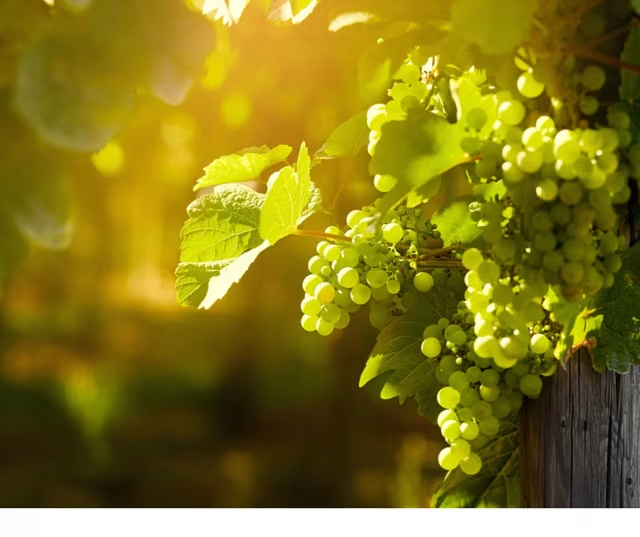
Lanzarote’s vineyards are celebrating a much-needed return to form, with the 2026 grape harvest expected to pass the three-million-kilo mark as this year’s vendimia enters its final stages.
Behind the dramatic volcanic scenery of La Geria, generations of farmers have developed a remarkable way of growing grapes in some of the most challenging conditions imaginable. This year, their hard work is producing particularly encouraging results.
A bumper year for Lanzarote wine
The Denomination of Origin Vinos de Lanzarote is reporting a very positive picture for the 2026 harvest, with more than three million kilos of grapes expected to be collected by the time the vendimia finishes.
That is significant because Lanzarote has experienced several disappointing harvests in recent years. Official figures from the island’s Wine Regulatory Council show that just 843,000 kilos were recorded in 2025, compared with almost 3.94 million kilos in 2018.
The contrast helps explain why this year’s harvest is being welcomed so enthusiastically by the island’s viticulturists and bodegas.
And it isn’t simply the quantity that is attracting attention.
The Council has highlighted the excellent condition and quality of the grapes being harvested, raising hopes for an especially interesting collection of Lanzarote wines from the 2026 vintage.
Why has the 2026 harvest been so good?
Weather has played an important role.
After difficult, dry conditions in previous years, Lanzarote experienced a considerably wetter winter. The additional moisture appears to have benefited the vines, giving them an opportunity to recover and produce a much stronger crop.
The season has not been completely straightforward, however.
High temperatures during July accelerated the ripening of grapes in some vineyards and resulted in the 2026 Lanzarote grape harvest beginning earlier than expected. The first wineries began picking Malvasía Volcánica in early July, with harvesting then spreading progressively across the island.
Different vineyards and grape varieties mature at different times, meaning the Lanzarote vendimia is not simply a single day or weekend. It is a carefully managed process that continues as individual grapes reach the appropriate stage for picking.
The extraordinary vineyards of La Geria
For visitors, one of the most fascinating aspects of Lanzarote wine is seeing exactly where the grapes are grown.
The vineyards of La Geria are unlike conventional European wine-growing regions.
Individual vines are planted in deep hollows excavated into the volcanic landscape and surrounded by small semicircular stone walls. The layers of volcanic lapilli, known locally as rofe or picón, help retain moisture while the stone walls provide protection from Lanzarote’s often fierce winds.
According to the Wine Regulatory Council, the layer of lapilli in parts of La Geria can reach several metres in depth. The unusual growing system means vines are planted considerably further apart than in many conventional vineyards.
The result is one of Lanzarote’s most recognisable landscapes — rows of apparently isolated vines scattered across a vast black volcanic terrain.
It is also a spectacular example of what is often described as heroic viticulture: producing grapes in difficult conditions through considerable manual effort and generations of local knowledge.
Malvasía Volcánica remains at the heart of Lanzarote wine
One grape in particular has become synonymous with Lanzarote wine: Malvasía Volcánica.
It is one of the island’s best-known varieties and is particularly associated with the dry, aromatic white wines that many visitors discover while exploring Lanzarote’s bodegas.
Other varieties are also important, including Listán Blanco, Listán Negro, Diego and Moscatel, each contributing different characteristics to the island’s wine production.
The later part of the harvest is particularly interesting because some varieties, including Moscatel and Diego, can remain on the vine for longer before being collected.
A tradition that visitors can experience
The Lanzarote grape harvest isn’t just an agricultural operation. It is also deeply connected to the island’s traditions.
Every August, La Geria becomes the setting for one of the most unusual sights associated with the vendimia: the traditional grape harvest involving camels.
This year’s event attracted hundreds of residents and visitors to Bodega La Geria, where grapes were collected using camels before being taken to the old lagar for traditional grape pressing. More than 300 kilos of Listán Blanco grapes were pressed during the event.
The use of camels reflects the important role these animals once played in Lanzarote’s agricultural life. Their association with the vineyard landscape has become an enduring symbol of the island’s farming heritage.
For tourists, events such as this offer something beyond the usual Lanzarote attractions — an opportunity to see part of the island’s living culture and understand how its famous volcanic landscape has been shaped by local people.
From volcanic soil to your wine glass
There is something particularly satisfying about visiting a Lanzarote winery after seeing the vineyards for yourself.
The landscape can initially appear almost hostile to agriculture. Black volcanic soil, strong winds and limited rainfall hardly seem like ideal conditions for producing grapes.
Yet the island’s farmers have turned those challenges into an advantage.
The volcanic environment, traditional cultivation methods and distinctive grape varieties all contribute to the character of Canarian wine.
There are numerous wineries across the island where visitors can learn more about this process, sample local wines and see the unusual vineyard systems at first hand.
For anyone interested in things to do in Lanzarote, a trip through La Geria combined with a visit to one of the island’s bodegas makes for a very different kind of day out.
A welcome boost for Lanzarote’s wine industry
It is important news for the farmers and wineries that maintain Lanzarote’s agricultural heritage.
The Wine Regulatory Council has also spent 2026 supporting the sector through training in vineyard management, including work on pruning, disease management, irrigation and other techniques designed to improve the resilience of Lanzarote’s vineyards.
There has also been increased attention on protecting the island’s vineyards from threats such as phylloxera, with an inspection and monitoring project launched alongside the Cabildo de Lanzarote.
That combination of traditional knowledge and modern vineyard management will be increasingly important as Lanzarote’s wine industry adapts to changing environmental conditions.
When can we expect to taste the 2026 wines?
Although the grapes are being harvested now, there is naturally a wait before the resulting wines reach consumers.
The grapes still have to go through the winemaking process, with individual wines requiring different amounts of fermentation, maturation and preparation.
The first wines from the 2026 Lanzarote vintage are therefore something to look forward to later in the year.
The island’s wine calendar will also continue into autumn, with the 12th Semana Malvasía scheduled for 3–8 November 2026, bringing together wine, gastronomy, culture and local traditions.
A great year to discover Lanzarote’s wine country
For both residents and visitors, the 2026 harvest is a welcome reminder of just how extraordinary Lanzarote’s relationship with agriculture really is.
More than three million kilos of grapes represents a major turnaround from last year’s poor crop, but perhaps the most encouraging part is the condition of the fruit itself.
And if you’re visiting Lanzarote, don’t simply drive through La Geria on your way somewhere else.
Stop, explore the vineyards, visit a local bodega and take a closer look at those tiny volcanic hollows. Behind every vine is a story of ingenuity, hard work and adaptation.
This year’s impressive Lanzarote grape harvest is another chapter in that story — and hopefully the beginning of a very good vintage for the island.
