
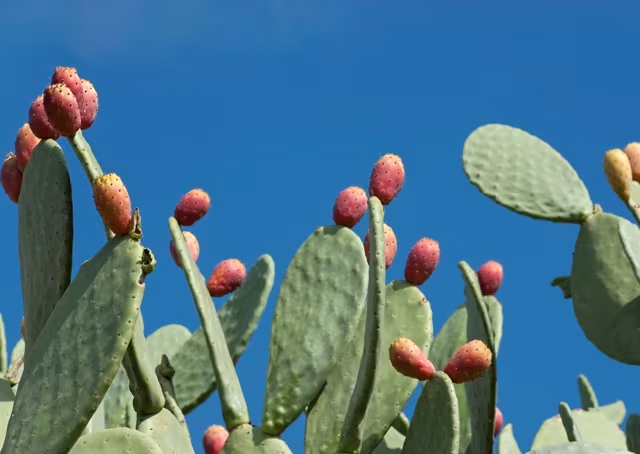

Lanzarote’s Iconic Prickly Pear Cacti Face Devastating Threat
One of Lanzarote’s most recognisable landscapes is under serious threat, as an invasive insect continues to destroy the island’s historic prickly pear cactus plantations.
According to reports, around 95% of the prickly pear cactus plantations in Guatiza and Mala have now been affected by the Mexican cochineal insect, a pest that has spread rapidly since first being detected on the island in 2019.
The insect feeds on the sap of the cactus, gradually weakening and eventually killing the plants. Experts say its remarkable resistance and the lack of effective insecticides have made it extremely difficult to control, leaving hundreds of hectares devastated.
The prickly pear cactus, known locally as tunera, is far more than just a familiar sight across northern Lanzarote. For generations it has played an important role in the island’s history, supporting the production of natural cochineal dye, which was once one of Lanzarote’s most valuable exports and was used around the world to colour textiles, food and cosmetics.
The loss of these plantations is not only an environmental concern but also a cultural one, with many fearing that an important part of Lanzarote’s agricultural heritage could disappear if a solution is not found.
Local chemist Claudia Cabrera, from Tinajo, is among those working to save the remaining cactus plantations. Researchers and farmers continue to investigate possible ways of slowing the spread of the invasive insect, but progress has proved challenging.
For residents and visitors alike, the distinctive green cactus fields of Guatiza and Mala have long been part of Lanzarote’s unique landscape. With the vast majority now affected, there are growing calls for greater support and investment to help protect what remains before this historic feature of the island is lost altogether.
