
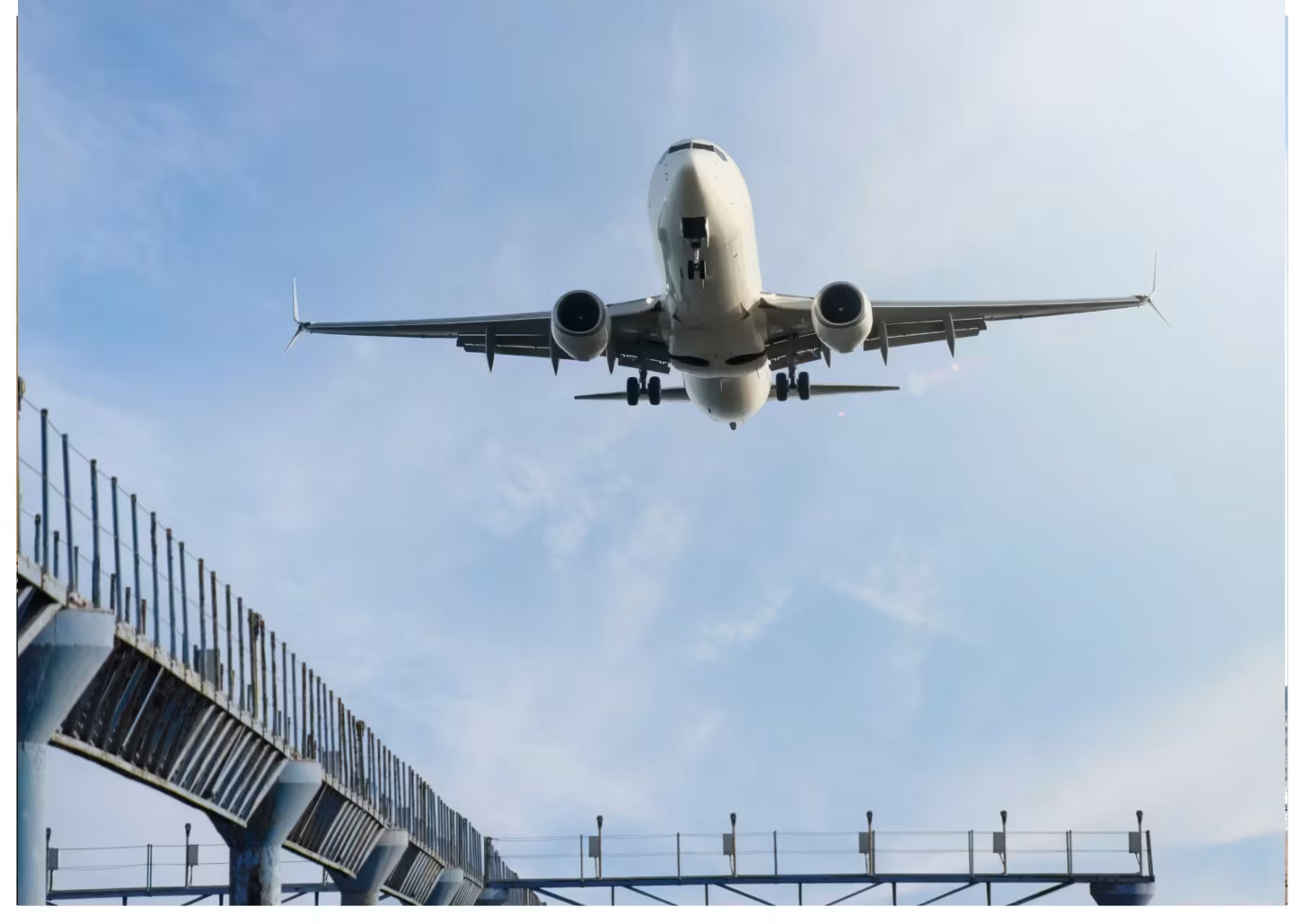

Lanzarote’s Reliance on Flights Exposes the Island to Wider European Disruption
Fresh concerns about false bomb threats affecting flights across Europe have highlighted just how dependent Lanzarote is on reliable air connections. For an island that welcomes millions of visitors and relies on air travel for essential links with mainland Spain and the rest of Europe, disruption hundreds of kilometres away can sometimes have consequences here.
The important point for travellers is that the reported threats have so far been described as false alarms. The concern is not that a confirmed bomb has been found on a flight to Lanzarote, but that every security alert must be taken seriously and investigated before an aircraft can continue its journey.
What has been happening across European airspace?
A report published in Lanzarote on 6 November says a recent series of false bomb threats has affected commercial aviation operations in parts of Europe and Spain. The report says investigators are examining mass emails sent to airports and air traffic control facilities.
According to that local report, security teams' inspections had found no explosives in the cases discussed. However, precautionary procedures still required aircraft to be checked, flight plans and landing slots to be adjusted, and some services to be diverted.
The same report says more than 35 aircraft had been affected across European airspace in recent days, with average delays of around 20 minutes on affected flights. These are figures attributed to the report, rather than a live count of flights currently delayed. Individual journeys can experience much longer disruption where an aircraft is diverted or its schedule is affected.
Why is Lanzarote particularly exposed?
Unlike mainland destinations, Lanzarote cannot fall back on road or rail links when flights are disrupted. Aircraft are the island’s principal connection with the rest of Europe, and they are also essential for residents travelling for work, education, healthcare and family reasons.
The scale of that reliance is clear in figures published by airport operator Aena. César Manrique-Lanzarote Airport handled approximately 8.9 million passengers in 2025, compared with 8.7 million in 2024 and 7.3 million in 2019. Aena records six million international passengers in 2025 and says the United Kingdom and Germany together account for more than 60% of international traffic.
That means events affecting flights from the UK and northern Europe can matter greatly to Lanzarote, even when the original incident takes place far from the Canary Islands.
How can one incident cause delays later in the day?
Airlines operate aircraft on planned rotations, often using the same plane for several journeys in one day. If an aircraft is held at an airport while a security check takes place, diverted to another airport, or misses its allocated departure slot, the disruption can travel along the aircraft’s later schedule.
For example, a plane delayed on an earlier European service may arrive late for its next departure to Lanzarote. That can mean a later arrival, a longer wait at the departure airport, or a change to a subsequent flight. Crew working hours, aircraft availability and airport capacity can all influence how quickly the timetable recovers.
This is why a security incident that has nothing to do with Lanzarote can still affect passengers heading to or from the island.
Does this mean holidays to Lanzarote are at risk?
A security alert does not mean a flight will be cancelled, and the reports of false threats should not be confused with evidence of a direct threat to Lanzarote or its airport.
Most flights continue to operate, but passengers may occasionally experience delays, diversions or schedule changes when airlines and aviation authorities follow safety procedures. Those checks are a necessary part of keeping air travel safe. It is also important not to assume that every delay is connected to the current reports; weather, air traffic restrictions, technical issues and staffing pressures can also affect flights.
What should passengers do?
If you are travelling to Lanzarote, keep an eye on your airline’s app, email and text notifications in the days before departure and on the day itself. Check your flight status before setting off for the airport, allow plenty of time, and follow instructions from airline and airport staff.
If your flight is delayed or diverted, speak to your airline or tour operator for the latest information and assistance. Keep receipts for reasonable expenses if you are advised to retain them, and check your passenger rights if your journey is significantly disrupted. Entitlements depend on the circumstances and the applicable rules, so a delay does not automatically guarantee compensation.
Residents should also allow extra flexibility when travelling for appointments or onward connections, particularly where a journey involves more than one flight.
An island connected by air
Lanzarote’s popularity is built on its beaches, volcanic landscapes, villages, sunshine and welcoming communities. But its island geography also means that reliable air links are more than a convenience: they are a vital part of everyday life and the local economy.
The recent European alerts are a reminder of how interconnected aviation has become. A problem at one airport can affect aircraft and passengers across several countries before the day is over. For now, the message for visitors and residents is to stay informed, check directly with airlines, and avoid unnecessary alarm. Security procedures are designed to investigate every warning carefully, while airlines work to get services moving again as safely and efficiently as possible.
