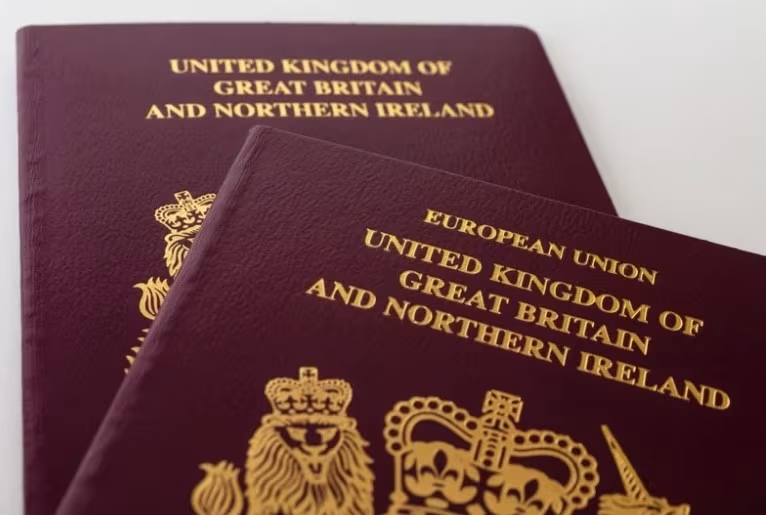

Tourism in Lanzarote has always been closely tied to arrivals from the UK, with British visitors forming one of the island’s most important markets. However, the introduction of the European Union’s new Entry/Exit System (EES) has brought unexpected disruption to that flow, particularly at passport control on arrival.
The EES, which became fully operational across the Schengen Area in April 2026, replaces traditional passport stamping with a digital system that records biometric data, including fingerprints and facial scans, for all non-EU travellers. This means that UK tourists arriving in Lanzarote now face a more detailed and time-consuming border process than in previous years. It´s resulting in long queues and real frustration for some travellers.
In practical terms, the change has been felt immediately on the ground. Passengers arriving at Lanzarote Airport have reported long queues and extended waiting times at passport control, sometimes lasting several hours, particularly on Thursdays which is the main arrival day for UK flights. Whilst some visitors have said there experience was positive and they were through the process within 20 minutes. There have even been cases where delays caused travellers to miss flights or be stranded in the airport due to congestion at border control.
This isn’t an isolated issue. Across Europe, airports have reported queues stretching up to three hours as the system beds in, with some airlines forced to leave passengers behind due to delays in processing.
For holidaymakers, especially those arriving after early starts and long flights from the UK—the experience can be frustrating and exhausting. It’s no surprise that some visitors have voiced concerns.
What´s the impact on Lanzarote’s tourism
Locally, there is growing concern about the reputational impact. Tourism leaders have warned that long queues at passport control risk damaging Lanzarote’s image as a smooth, stress-free holiday destination.
Social media has amplified the issue, with videos of crowded arrival halls and slow-moving lines creating a perception that the island is struggling to cope. In a competitive tourism market, perception matters, and negative first impressions can influence future travel decisions. During our daily chats with tourist some of them have even said, because of this they won´t be returning to Lanzarote.
But this isn’t just a Lanzarote problem
It’s important to put the situation into perspective. The disruption is not unique to Lanzarote. The EES system is being rolled out across 29 European countries, and similar delays have been reported in airports throughout Spain, Portugal, France, Italy, and beyond. This is a continent-wide transition, not a local failure. Every destination that relies on non-EU visitors—especially from the UK—is facing the same challenges as border systems shift from manual to digital processes. It´s a learning curve for everyone.
What we are seeing now is, in many ways, a classic “teething phase” of a major new system. The EES represents a fundamental change in how borders operate, designed to improve security, prevent overstays, and modernise travel across Europe. However, like any large-scale technological rollout, it comes with a learning curve. Airports, border staff, airlines, and passengers are all adapting at the same time. Early reports suggest that while the average processing time is expected to be relatively short, real-world conditions—such as peak arrivals, staffing levels, and technical issues—are currently creating bottlenecks. Over time, as systems are refined, staff gain experience, and repeat travellers no longer need full registration, the process is expected to become faster and more efficient.
How does the future look?
For Lanzarote, the key challenge will be managing this transition without allowing it to damage long-term visitor confidence. Clear communication, realistic expectations, and continued improvements at the airport will all play an important role.
For travellers, the message is simple: allow extra time, be prepared for the new process, and understand that this is part of a broader shift happening across Europe.
The introduction of the EES system is undoubtedly causing disruption right now. But it is also part of a wider, global move towards digital border control. Lanzarote is not alone in facing these challenges—and as the system settles, the hope is that the island’s usual welcome of hassle-free holidays will quickly reassert itself.
TIPS IF YOUR TRAVELLING WITH A UK PASSPORT SOON
- Allow extra travel time
- Pack extra supplies of refreshments for the journey, and waiting time on arrival
- Consider booking airport assistance if you are travelling with someone who standing in queues for long amounts of time could pose a problem