
On This Day in Lanzarote History: César Manrique's Exhibition Opened in Arrecife in 1953
On 15 November 1953, an exhibition of paintings by César Manrique opened in the rooms of the Cabildo Insular in Arrecife. Today, Manrique is inseparable from Lanzarote's identity: his architecture, art and environmental vision helped shape how the island presents itself to the world. But this exhibition belongs to an earlier chapter, when he was still building his reputation and showing his work to audiences.
The date is recorded in Memoria de Lanzarote's historical chronology. Its entry cites the island's 1953 weekly newspaper Antena and later research by historians Francisca María Perera Betancort and José Díaz Bethencourt on art exhibitions in Arrecife between 1950 and 1970.
An exhibition in the island's civic heart
The exhibition took place in the Cabildo's rooms, placing Manrique's paintings in a public setting at the centre of island life. It remained open until later in November, when it closed with a lecture by Manrique entitled “Sentido del arte actual” – “The Meaning of Contemporary Art”.
That closing lecture is an intriguing detail. It suggests that the event was not only an opportunity to display paintings, but also a chance for the artist to explain ideas about modern art to an audience in Lanzarote.
The artist before the landmarks
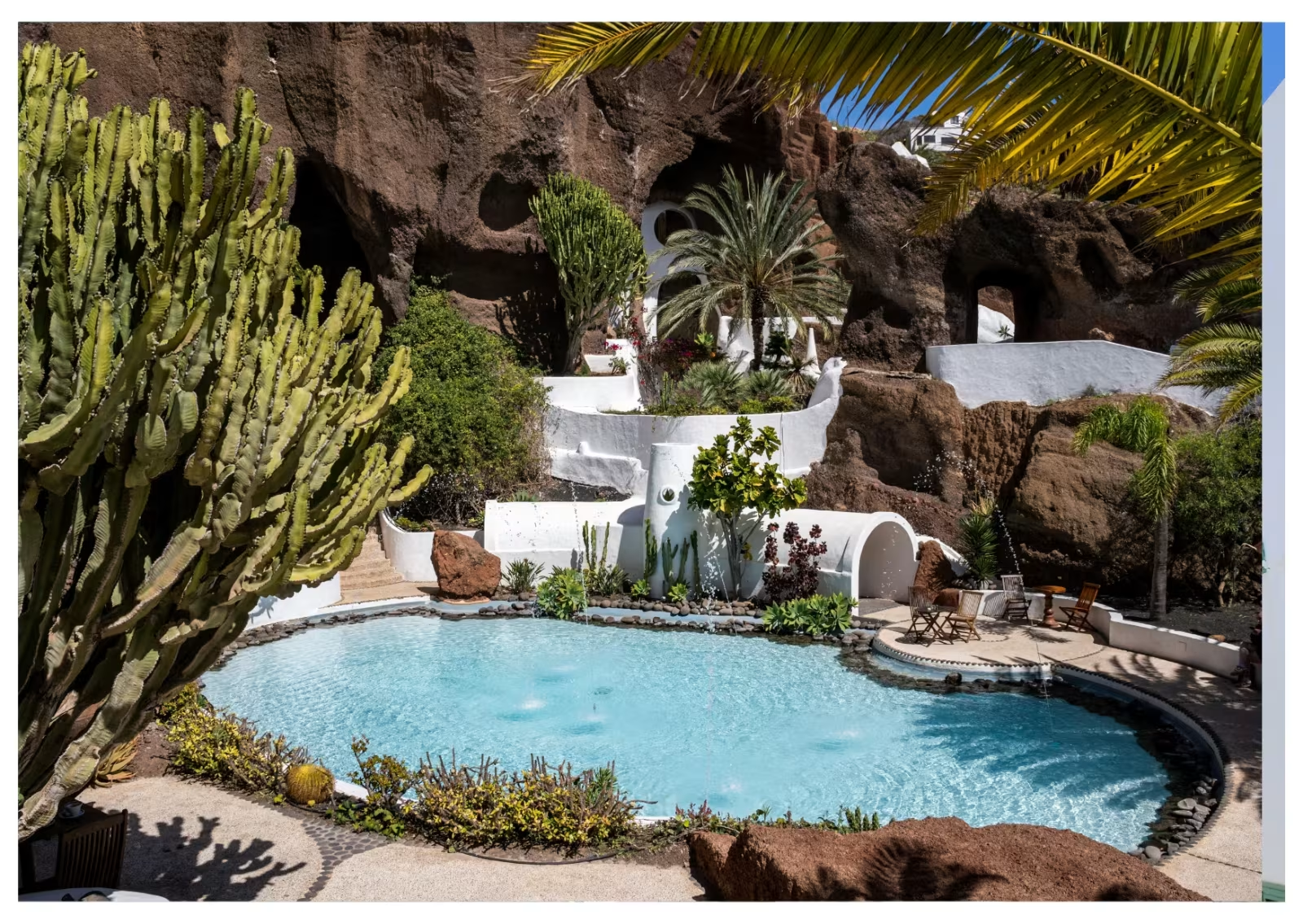
Many visitors first encounter Manrique through places such as Jameos del Agua, Mirador del Río and the Jardín de Cactus. These celebrated projects came later in his career and show how he brought art, architecture and the natural landscape together.
The 1953 exhibition reminds us that his work as a painter was already being presented in Arrecife decades before many of the island's best-known visitor attractions existed. It offers a glimpse of a younger Manrique and the cultural life of Lanzarote in the post-war years.
Why this small historical date matters
Lanzarote's cultural identity was not created overnight. It developed through artists, writers, local institutions, exhibitions and public debate. A painting exhibition in the Cabildo may seem modest beside the major tourist centres that followed, but it is part of the story of how Manrique's relationship with his home island evolved.
It is a reminder that the artist's legacy includes not only the buildings and viewpoints that attract millions of visitors, but also the earlier cultural activity that helped establish his place in Lanzarote's artistic life.