
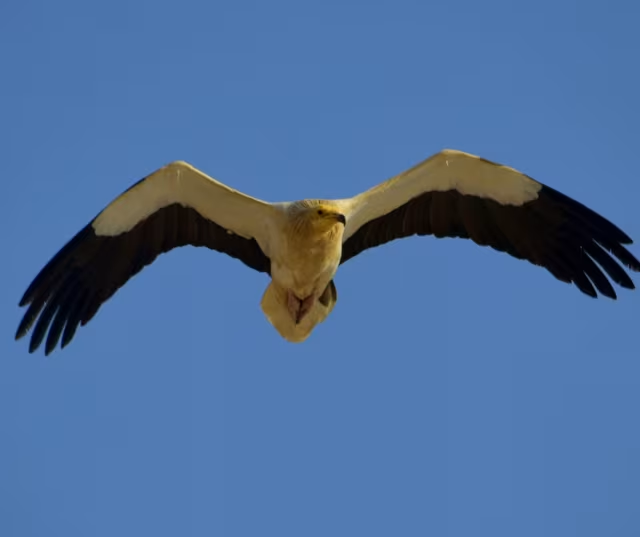

Rare Egyptian Vultures Give Hope for Wildlife Conservation in Lanzarote
There’s some encouraging wildlife news this week after conservationists confirmed another successful breeding season for the endangered Egyptian vulture, known locally in the Canary Islands as the “guirre.”
Environmental experts say a breeding pair of Egyptian vultures has successfully reproduced again on the island, offering fresh hope for the long-term survival of one of Lanzarote’s rarest and most protected bird species.
The Egyptian vulture is considered one of Europe’s most endangered birds of prey and is a powerful symbol of Lanzarote’s unique natural environment and growing eco-tourism appeal.
A Positive Sign for Lanzarote’s Wildlife
The latest breeding success is being seen as an important step forward for conservation efforts on Lanzarote, where the guirre population remains small and carefully monitored.
The birds reportedly returned to the same nesting territory used in previous years, with experts describing the new breeding cycle as another sign that the species is slowly recovering after decades of decline.
Egyptian vultures in the Canary Islands nearly disappeared during the 20th century due to:
- illegal poisoning
- habitat pressure
- collisions with power lines
- human activity
Thanks to ongoing conservation projects, protected nesting areas, and wildlife monitoring programmes, the species is now gradually recovering on Lanzarote and neighbouring Fuerteventura.
Why the Egyptian Vulture Matters to Lanzarote
The guirre is the only scavenger bird of prey native to the Canary Islands and has become one of the region’s most iconic protected species.
For many visitors, Lanzarote offers much more than beaches and sunshine. The island is increasingly attracting nature lovers, birdwatchers, hikers, and eco-tourists interested in experiencing its volcanic landscapes and rare wildlife.
Egyptian vultures can occasionally be spotted soaring above:
- Famara
- El Jable
- volcanic inland areas
- northern rural landscapes
- Ive actually seen one flying over Tias, 5 minutes from Puerto del Carmen
The birds are known for their striking pale feathers and distinctive black-and-white wings, making them one of the most unique birds visitors may encounter in the Canary Islands.
Lanzarote’s Growing Eco-Tourism Appeal
The latest conservation success highlights Lanzarote’s growing reputation as a destination for sustainable tourism and nature experiences.
Unlike many large tourist destinations, Lanzarote has worked hard to protect its natural landscapes, wildlife habitats, and low-rise island character, values strongly influenced by the environmental legacy of César Manrique.
Many tourists now visit Lanzarote not only for its beaches and resorts, but also for:
- birdwatching
- hiking
- volcanic scenery
- photography
- nature tourism
Protected natural spaces such as Timanfaya National Park, Famara cliffs, and the island’s volcanic interior continue to attract travellers looking for a quieter and more environmentally conscious holiday experience.
Conservation Efforts Continue Across the Canary Islands
Wildlife organisations and environmental authorities continue to monitor and protect the Egyptian vulture population through:
- anti-poison campaigns
- nesting protection
- safer electrical infrastructure
- scientific monitoring programmes
- supplementary feeding stations
Experts say the latest breeding success is another encouraging reminder that conservation efforts in Lanzarote are helping preserve some of the Canary Islands’ rarest wildlife for future generations.
For many visitors, the chance to experience rare wildlife such as the Egyptian vulture adds another unforgettable dimension to a Lanzarote holiday.
