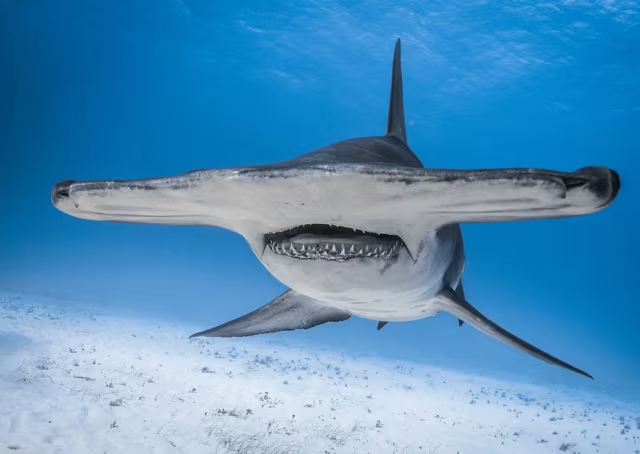

Scientists Urge Greater Protection for Sharks and Rays in Canary Islands Waters
The crystal-clear waters surrounding Lanzarote and the rest of the Canary Islands are home to an incredible variety of marine life. While many visitors hope to spot dolphins, turtles or colourful fish, few realise that these waters also support 78 different species of sharks and rays.
Marine scientists are now calling for stronger protection for these fascinating animals, warning that many species are facing increasing pressure from fishing, habitat loss, pollution and climate change. Despite the Canary Islands being recognised as one of Europe’s most important marine biodiversity hotspots, only six shark and ray species currently receive protection under the Canary Islands’ regional catalogue of protected species.
Why Sharks and Rays Matter
Sharks and rays have often been misunderstood, but they play a vital role in maintaining healthy marine ecosystems. As predators and scavengers, they help keep fish populations balanced and contribute to the overall health of the ocean.
Scientists say that many species reproduce very slowly, with some giving birth to only a handful of young every few years. This makes it difficult for populations to recover if numbers decline.
The Canary Islands Are a Unique Habitat
The waters around Lanzarote, Fuerteventura, Tenerife and the other Canary Islands provide habitats for an impressive range of species, including:
- Angel sharks
- Hammerhead sharks
- Blue sharks
- Eagle rays
- Stingrays
- Butterfly rays
Some of these species are rarely seen elsewhere in Europe, making the Canary Islands internationally important for their conservation. Researchers estimate that nearly half of the region’s shark and ray species are considered threatened or lack enough scientific data to accurately assess their conservation status.
Scientists Want More Species Protected
Marine conservation organisations and researchers are urging authorities to expand legal protection to include many more vulnerable species.
Current conservation efforts focus on:
- Collecting more scientific data.
- Monitoring populations around the islands.
- Working with fishermen, dive centres and tourism businesses.
- Educating both residents and visitors.
- Encouraging the public to report illegal fishing or activities that may harm protected marine life.
What This Means for Tourists
For holidaymakers visiting Lanzarote, there’s no reason for alarm.
Shark encounters remain extremely rare, and the species found around the Canary Islands generally pose little danger to people. In fact, divers from around the world travel to the islands hoping for the chance to see species such as angel sharks and eagle rays in their natural environment.
Tourists can help protect marine wildlife by:
- Never touching or disturbing marine animals.
- Avoiding the purchase of products made from protected species.
- Choosing responsible dive and snorkelling operators.
- Respecting marine protected areas and local regulations.
- Reporting any illegal fishing or wildlife disturbance if witnessed.
A Shared Responsibility
Protecting sharks and rays isn’t just about conserving individual species—it’s about safeguarding the health of the Canary Islands’ marine environment for future generations.
With tourism playing such an important role in Lanzarote’s economy, healthy oceans benefit everyone, from local fishermen and dive centres to visitors who come to enjoy the islands’ unique underwater world.
As scientists continue gathering evidence, many hope stronger legal protection will ensure these remarkable animals remain part of the Canary Islands’ marine ecosystem for decades to come.