
Shellfishing in Lanzarote: What You Need to Know About Lapas, Burgados, Octopus and Other Sea Life
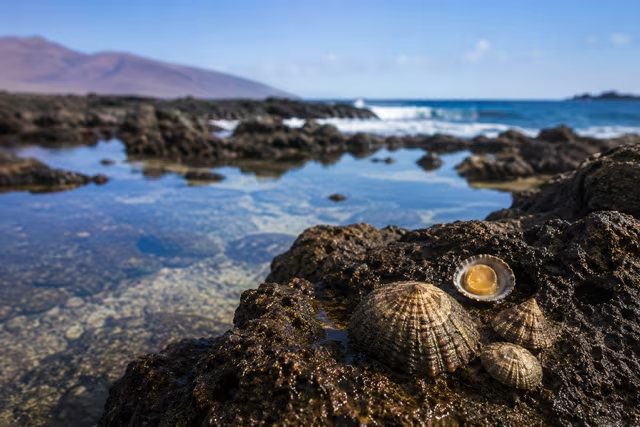
Lanzarote’s coastline is home to an abundance of marine life, and for generations, collecting shellfish from the intertidal rocks has been part of traditional Canarian life. But if you are tempted to collect lapas, burgados, crabs or other seafood from the rocks, there are important rules to understand first.
Shellfishing, or marisqueo, is regulated throughout the Canary Islands to protect marine populations and allow species to reproduce and recover. The restrictions cover where, when and how much shellfish can be collected, as well as minimum sizes for certain species.
For anyone living in Lanzarote or visiting the island, understanding these rules is important before heading down to the shoreline.
Can you collect shellfish in Lanzarote?
Yes, recreational shellfishing is permitted in the Canary Islands, but you need the appropriate recreational fishing licence.
For shore-based recreational shellfishing, a Class 2 or Class 3 recreational fishing licence is required. Recreational shellfishing is also restricted to Saturdays, Sundays and public holidays in the locality where the activity takes place, subject to the relevant seasonal and geographical closures.
There is another important distinction: recreational catches cannot be sold or traded. Recreational shellfishing is intended for leisure rather than commercial activity.
Why are there restrictions on shellfishing in Lanzarote?
The rules are designed to prevent excessive harvesting of marine species.
Some shellfish populations around the Canary Islands have suffered from significant human pressure. Minimum sizes mean that smaller animals can remain in the sea and reach reproductive age, while seasonal closures are designed to protect species during important breeding periods.
The Canary Islands Government specifically highlights declining populations of species such as limpets and burgados, which is why geographical and seasonal restrictions have been introduced.
This is particularly relevant in Lanzarote, where the rocky coastline and extensive intertidal areas provide habitat for many of these species.
Minimum shellfish sizes in Lanzarote
If you are legally collecting shellfish, being able to identify the species and check its size is essential.
The current Canary Islands regulations establish the following minimum sizes:
Species
Minimum size
White limpet (lapa blanca)
45 mm
Black limpet (lapa negra)
45 mm
Curvina limpet (lapa curvina)
45 mm
Common burgado
15 mm
Male burgado
15 mm
Moorish/black crab
60 mm
White crab
50 mm
Canary mussel
7 cm
Common octopus
1 kg
These measurements are set by the Canary Islands authorities and apply alongside the relevant seasonal, geographical and catch restrictions.
How are lapas measured?
For lapas, the minimum measurement is 45 millimetres along their longest axis. This is important because simply looking at a limpet and deciding that it appears “big enough” isn’t sufficient.
How much shellfish can you collect?
There are also limits on the amount that can be taken during recreational shellfishing.
For recreational collectors, the published maximum quantities include:
- Lapas: 3 kg
- Burgados: 1.5 kg, including a maximum of 500 g of male burgados
- Common sea urchin: 1 kg
- Octopus: 5 kg
- Moorish/black crab: 3.5 kg
- White crab: 2.5 kg
There is also an overall recreational catch limit of 5 kg per person per day, including fish caught when recreational fishing and shellfishing are undertaken on the same day.
These figures are maximum permitted quantities, not targets.
When is shellfishing prohibited?
This is one of the most important points for anyone planning to collect shellfish in Lanzarote.
Lapas and burgados
Throughout the Canary Islands, lapas and burgados cannot be collected from 1 December through 30 April, inclusive.
So although the rocky coastline may look particularly tempting during winter and early spring, these species are protected during this period.
Crabs
The Moorish or black crab and white crab have a seasonal closure from 1 December to 31 March, inclusive.
Canary mussels
The Canary musSel has additional seasonal restrictions. Collection is prohibited from 1 April to 30 June and from 1 September to 30 November, with separate rules applying to Fuerteventura.
This means that people should not assume that because a species is visible on the rocks, it is automatically legal to collect it.
Some coastal areas are closed all year
Seasonal restrictions aren’t the only thing to consider.
There are also geographical closed areas where the collection of certain species is prohibited throughout the year. These restrictions can apply to lapas, burgados and common sea urchins.
The Canary Islands Government provides an interactive map showing the geographical shellfishing closures, so anyone planning recreational shellfishing should check the current map before collecting anything.
There are also additional restrictions around protected areas and marine reserves.
You cannot simply collect shellfish anywhere along the coast
Recreational shore-based shellfishing takes place within the intertidal zone, but there are restrictions on exactly where it can be carried out.
For example, shellfishing is prohibited in areas subject to a closure and in marine reserves where shellfishing isn’t authorised. There are also restrictions around ports and areas affected by potentially contaminating discharges.
Anyone collecting from the rocks should therefore check the regulations for the particular stretch of Lanzarote coastline rather than assuming that the rules are identical everywhere.
Don’t damage the rocks or marine habitat
There is another rule that visitors may not realise applies.
When collecting shellfish on foot, rocks or stones may only be turned over where necessary, and they must be returned to their original position. The regulations prohibit damaging the biological or geological substrate that provides habitat for marine species.
That is particularly important around Lanzarote’s volcanic coastline, where the intertidal rock pools support a surprisingly diverse ecosystem.
What happens if you find an undersized or prohibited animal?
If a person accidentally catches an animal that is below the legal minimum size or otherwise prohibited, it must be returned to the sea.
The same principle applies to recreational fishing generally: protected, prohibited or undersized catches must be released rather than kept.
Lanzarote visitors: check before you collect
For tourists, recreational shellfishing can look like a harmless way of experiencing a traditional aspect of life in the Canary Islands. However, the fact that something is traditionally collected does not mean it can be taken whenever or wherever you want.
Before picking up a limpet, burgado, crab or other marine animal, check:
✔ Do I have the correct recreational fishing licence?
✔ Is today a permitted day for recreational shellfishing?
✔ Is this particular coastline open to shellfishing?
✔ Is the species currently in season?
✔ Is the individual large enough?
✔ Am I within the permitted daily catch?
If the answer to any of these questions is no, the safest option is to leave the animal where it is.
Why these Lanzarote shellfishing rules matter
Lanzarote’s coastline is one of the island’s greatest natural assets. Its lava platforms, rock pools and intertidal areas provide shelter and feeding grounds for numerous marine species.
The restrictions on shellfishing in Lanzarote aren’t simply about preventing people from taking seafood. They are intended to make sure that marine populations have the opportunity to reproduce and remain available for future generations.
For residents, that means helping protect a traditional activity. For visitors, it means enjoying Lanzarote’s spectacular coastline without inadvertently taking part in an illegal activity.
A final reminder
Rules surrounding Lanzarote shellfishing, recreational fishing, minimum sizes and closed areas can be detailed, and protected areas may have additional regulations.
The Government of the Canary Islands is the best place to check the latest information before going out, including current closed areas, licences and species restrictions.
Please always check the official regulations before collecting anything from the sea, as restrictions can change.
