

TEGUISE COCKFIGHTING CASE REACHES THE COURTS AS ANIMAL WELFARE CONCERNS CONTINUE
A long-running dispute over the treatment of fighting cockerels in Teguise has moved into the judicial process, bringing renewed attention to animal welfare inspections and the rules governing cockfighting in Lanzarote.
The latest development came after Teguise Town Council considered the municipal sanctioning file at its September plenary meeting. The council agreed to reject arguments submitted by those involved, but paused the municipal procedure because the matter had been referred to the courts. The case is being handled by an investigating court in Arrecife.
WHY IS THE TEGUISE GALLERA UNDER INVESTIGATION?
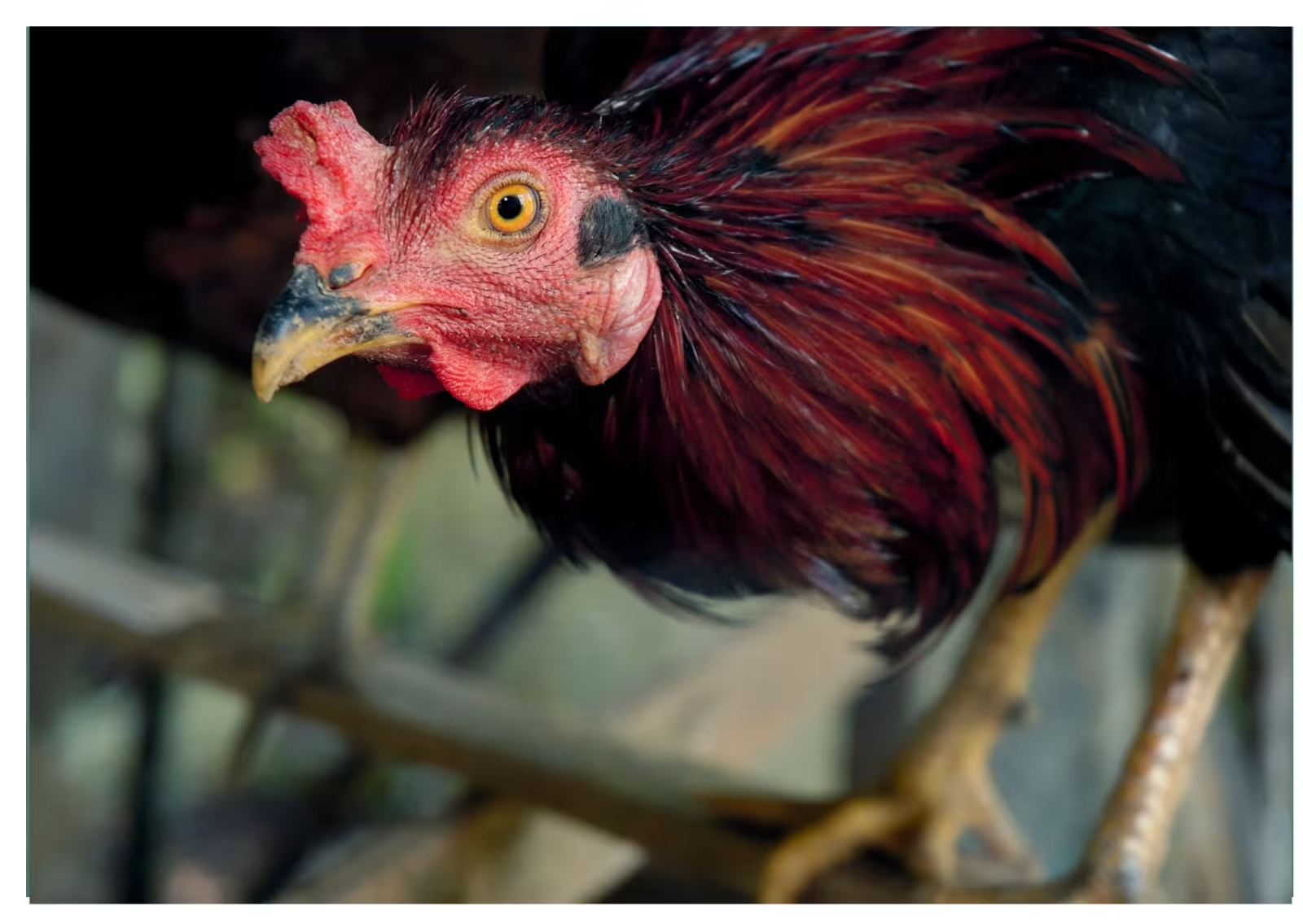
The issue centres on physical procedures reportedly carried out on cockerels kept at a gallera, or cockfighting premises, in the Villa de Teguise. These include the removal or cutting of combs and wattles and other procedures affecting the birds’ bodies.
According to inspection material reported locally, officers from the Guardia Civil’s SEPRONA nature-protection service found around 110 cockerels housed in individual cages during an inspection. Some birds appeared to have had parts of their combs, wattles or other areas removed. Officials then requested veterinary records and documentation to establish whether the procedures had been individually justified and carried out under appropriate veterinary supervision.
The concern raised by municipal and veterinary reports is not simply whether a procedure has taken place, but whether there is adequate evidence for each animal, including veterinary justification, appropriate anaesthesia and pain relief where required, and follow-up care.
WHAT DID THE INSPECTIONS FIND?
The matter has been examined over several years, with further inspections and reports following earlier visits. Reports described a number of birds with signs of resections or amputations, while the documentation available did not sufficiently account for every intervention observed.
A municipal technical report issued in February 2026 reportedly warned that removing parts of a bird’s comb or wattles can cause permanent functional loss and that procedures carried out without suitable veterinary safeguards may seriously affect animal welfare. The reports also raised concerns about incomplete records relating to animal movements, veterinary treatments and ownership.
The town council’s file reportedly proposed a €1,350 fine for a serious infringement. However, this should not be presented as a final court judgment: the municipal process has been suspended while the judicial proceedings continue.
ARE COCKFIGHTS ILLEGAL IN LANZAROTE?
The legal position is complicated. Cockfighting has historically been treated as an exception under the Canary Islands’ animal-protection framework in certain circumstances, linked to places where the tradition existed. That does not mean every practice connected with a gallera is automatically lawful, nor does it remove requirements concerning animal health, veterinary care and the prevention of unjustified injury.
The current proceedings concern alleged irregularities relating to physical interventions on the birds and the absence of sufficient veterinary documentation. The legal questions surrounding the premises and the practices described should therefore be distinguished from the broader, longstanding debate about cockfighting itself.
The latest municipal measures reportedly require the cessation of procedures such as comb removal, cutting of wattles and other harmful physical interventions unless they are individually justified, documented and undertaken under veterinary control. A further veterinary inspection and individual identification of the birds were also requested.
WHAT HAPPENS NEXT?
The case now sits within the judicial process, so the outcome remains to be determined. The municipal sanctioning procedure has been paused because of the criminal proceedings, and the reported allegations should not be treated as a final finding of criminal guilt.
The case also highlights the role of inspections and record-keeping in animal welfare enforcement. Veterinary documentation can help authorities establish what treatment an animal received, why it was necessary and whether it was performed safely.
WHY THIS MATTERS TO LANZAROTE
As the court process continues, further verified information may emerge. Until then, the key distinction is that the authorities have raised concerns and the case is being examined, but the judicial outcome is not yet known.
