

Two Rescued Sea Turtles Return to Atlantic Waters After Extensive Rehabilitation in Lanzarote
Two endangered sea turtles have been given a second chance at life after completing months of rehabilitation at a wildlife recovery centre in Lanzarote. The turtles were recently released back into the Atlantic Ocean following successful treatment for serious injuries that would likely have proved fatal without human intervention.
Marine conservation teams first encountered the turtles in separate incidents along the island’s coastline. One turtle was discovered entangled in marine debris, highlighting the growing threat of ocean pollution to marine wildlife. The second turtle was found stranded on a beach suffering from severe injuries that required long-term veterinary care.
Specialists at the recovery centre worked for several months to restore the animals’ health. Treatment included wound management, nutritional support, regular monitoring, and rehabilitation exercises designed to help the turtles regain strength before returning to the wild.
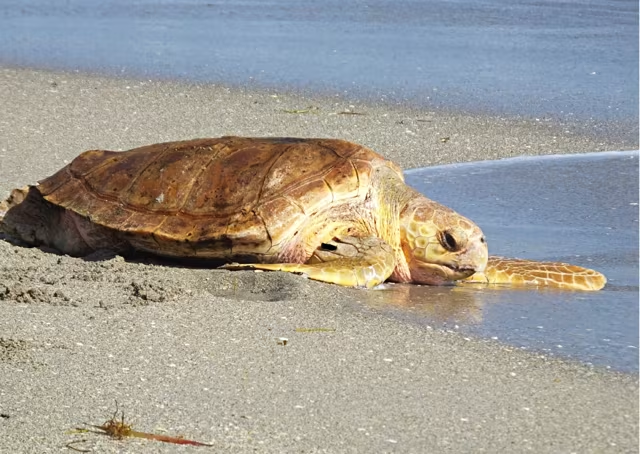
The release took place on a Lanzarote beach under the supervision of conservation experts, veterinarians, and environmental authorities. Both turtles showed strong signs of recovery as they made their way across the sand and back into the ocean.
Growing Threats to Sea Turtles
Conservationists say the cases serve as a reminder of the challenges facing sea turtle populations throughout the Canary Islands and the wider Atlantic region. Plastic pollution, discarded fishing equipment, boat strikes, and habitat degradation continue to threaten these ancient marine reptiles.
Sea turtles play a vital role in maintaining healthy marine ecosystems. By feeding on jellyfish, seagrass, and other marine organisms, they help maintain ecological balance in coastal waters.
Community Support for Wildlife Conservation
Wildlife rescue organisations across Lanzarote are encouraging residents and visitors to report injured or stranded marine animals as quickly as possible. Early intervention significantly improves survival rates and allows experts to provide life-saving treatment.
The successful release of these two turtles demonstrates the positive impact of conservation programmes operating throughout the Canary Islands. Each rescued animal represents an important contribution to protecting vulnerable marine species and preserving biodiversity in the region.
Environmental groups hope stories like this will inspire greater public awareness about reducing plastic waste and protecting marine habitats for future generations.
