
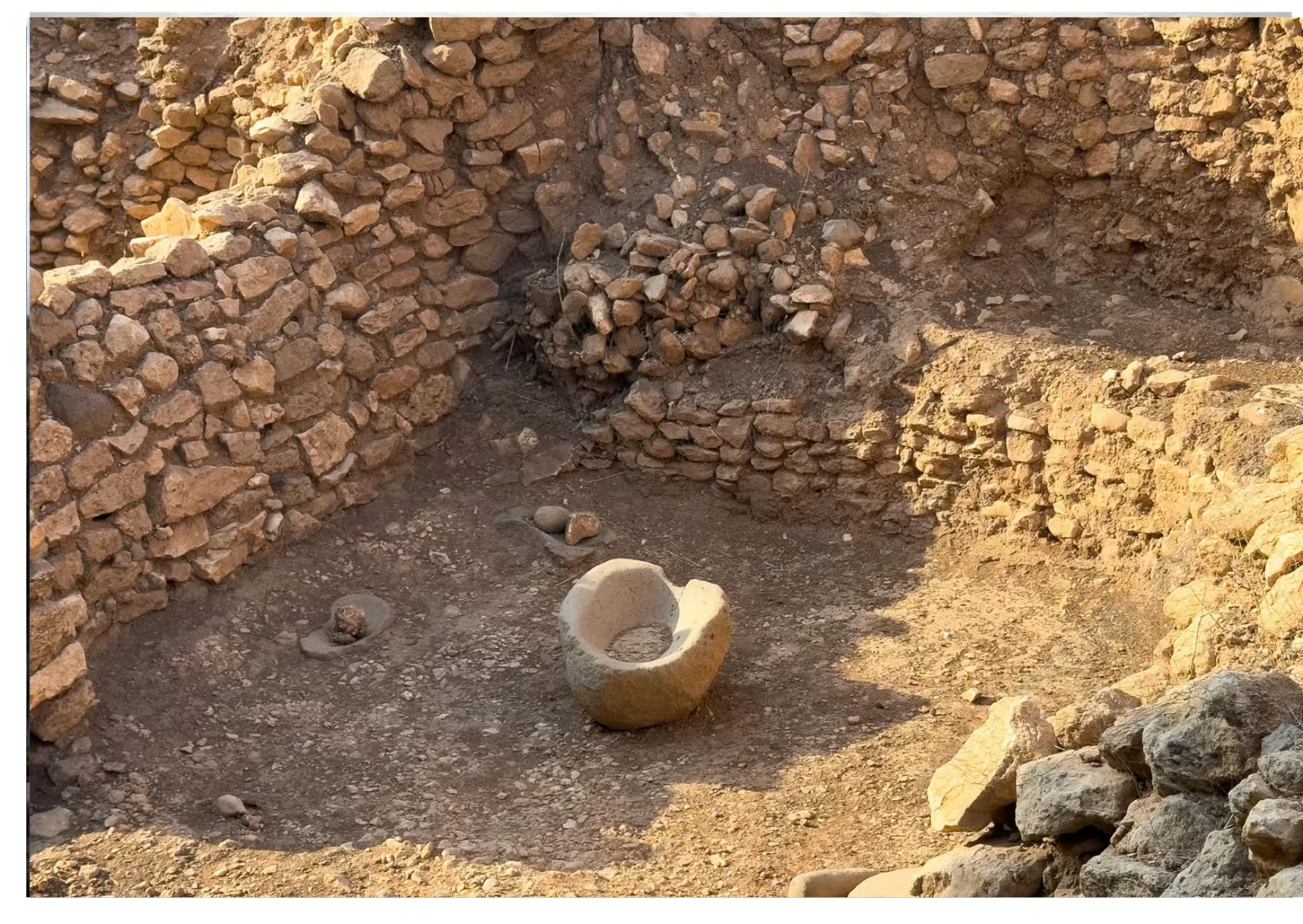

Archaeologists Search for More Historic Wells at San Marcial de Rubicón, Lanzarote
A new archaeological campaign at San Marcial de Rubicón, in the municipality of Yaiza, is investigating whether additional historic wells and other water-related structures remain hidden beneath the landscape. The work could help researchers build a clearer picture of life at one of the most significant sites in Lanzarote’s early recorded history.
Four wells have already been identified at the site. However, written references from the 16th and 17th centuries, together with more recent oral accounts, suggest there may once have been further sources of water. The current investigation is examining those clues to establish whether more wells existed and, if so, where they might have been located.
WHY WATER MATTERED AT RUBICÓN
Water was essential to any settlement, particularly on Lanzarote, where the dry climate has always made access to reliable supplies important. Locating wells and understanding how they were built can reveal more than the position of a water source: it can also help archaeologists explore how a community organised itself, supported daily activities and adapted to its surroundings.
The research team is carrying out its seventh archaeological campaign at San Marcial de Rubicón. The work includes investigating areas along the barranco and near the natural aquifer, where researchers hope to clarify the relationship between the landscape and historic water collection. Excavation is also continuing in other parts of the settlement, including an area known as the Plaza de la Catedral. A zone near a lime kiln is being examined too, with researchers considering whether a structure there may have been used to store lime.
A SITE LINKED TO A TURNING POINT IN CANARY ISLANDS HISTORY
San Marcial de Rubicón is near the southern coast of Lanzarote, in the Yaiza area and close to the route towards the Papagayo beaches. It is associated with the arrival of the Norman-led expedition of Jean de Béthencourt and Gadifer de La Salle in 1402, during the beginning of the European conquest and colonisation of the Canary Islands. The archaeological remains provide evidence of the settlement that developed there, including religious, domestic and practical structures.
The site is important because it helps researchers investigate the history of the island during a period of major change. Archaeology can add detail to written accounts, but it can also challenge assumptions: features that appear to be wells or other installations need to be studied carefully before their purpose can be confirmed.
WHAT HAS BEEN CONFIRMED SO FAR?
The latest campaign is still investigating the evidence. The possibility of further wells has not yet been confirmed. Researchers are testing whether the written sources and oral traditions correspond with physical remains in the ground. The findings may eventually help explain how water was obtained and managed at Rubicón, but it would be premature to describe every newly investigated feature as a well before the archaeological work establishes its function.
The project brings together specialists and institutions including the Government of the Canary Islands, the two public universities in the archipelago—the University of La Laguna and the University of Las Palmas de Gran Canaria—and Yaiza Town Council, alongside the archaeological research team.
A REASON TO LOOK BEYOND LANZAROTE’S BEACHES
For visitors, Lanzarote is often associated with volcanic scenery, beaches and César Manrique’s artistic legacy. Yet the island also has a rich archaeological and historical story. Sites such as San Marcial de Rubicón offer a different way to understand Lanzarote, connecting the landscape with the people who lived here and the resources they depended on.
Anyone planning to explore the area should check current access arrangements and local guidance before visiting. The remains are part of Lanzarote’s heritage, so visitors should respect any barriers, avoid disturbing stones or archaeological features, and follow instructions from site staff.
As the excavation continues, the search for additional historic wells could provide another piece of the puzzle surrounding San Marcial de Rubicón. Even if no further wells are confirmed, the investigation can still improve understanding of the settlement’s layout, its water resources and everyday life in this important part of Lanzarote’s past.
A Stock Image has been used in this Article for Illustration Purposes Only.
