
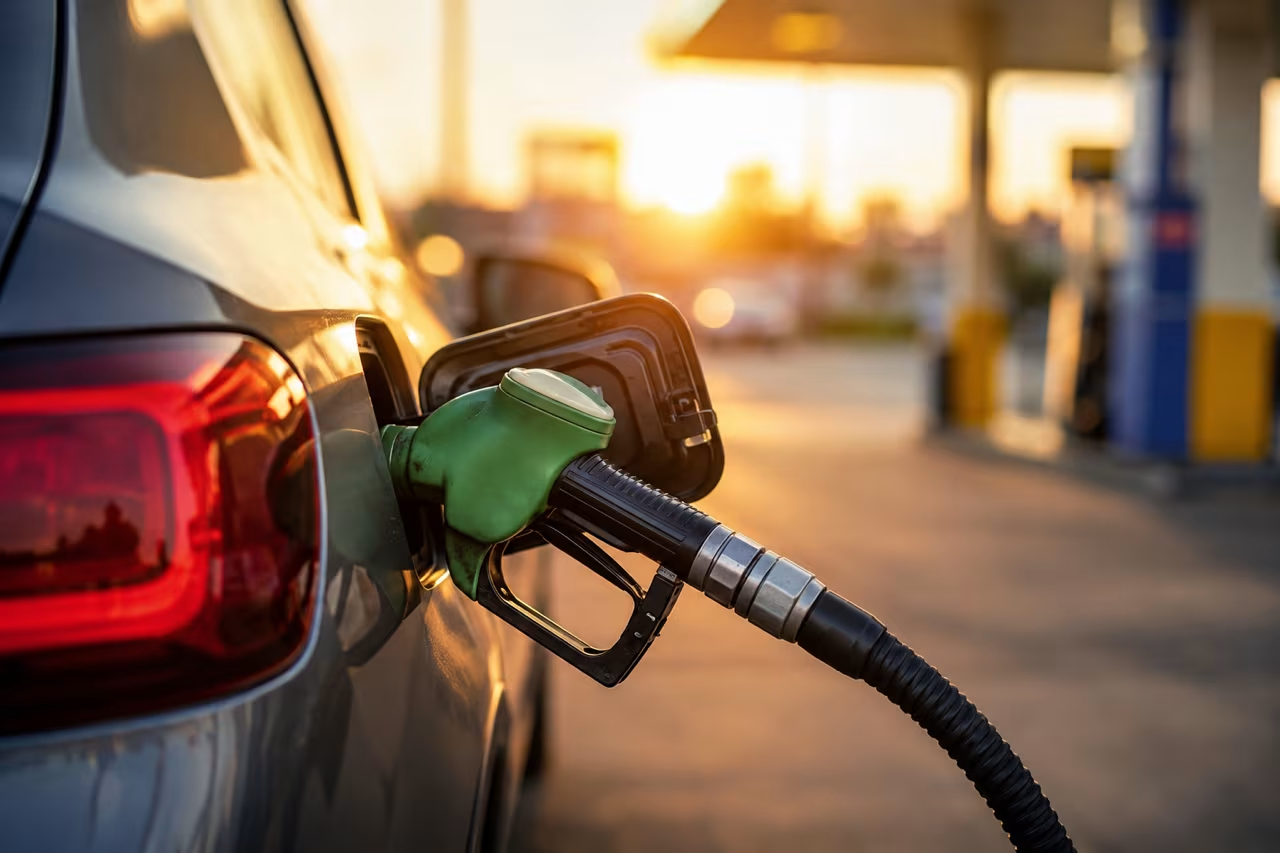

Canary Islands Fuel Prices Continue to Climb in 2026 – What It Means for Lanzarote
Motorists across Lanzarote and the rest of the Canary Islands are continuing to feel the impact of rising fuel prices, with the cost of petrol and diesel increasing significantly since the beginning of 2026.
Despite government measures aimed at easing the pressure on households and businesses, the price at the pump remains considerably higher than it was just a few months ago, affecting everyone from daily commuters to holidaymakers exploring the island by hire car.
Fuel Prices Have Increased by Around 25%
According to the latest figures from the Spanish Government’s fuel price database, average fuel prices in the Canary Islands have risen sharply during 2026.
Current average prices are approximately:
- 95 unleaded petrol: €1.44 per litre
- 98 unleaded petrol: €1.57 per litre
- Diesel: €1.53 per litre
For drivers, this means:
- Filling a 50-litre tank of 95 petrol now costs around €72, compared with approximately €58.50 in January.
- A 50-litre diesel tank now costs around €76.50, an increase of more than €18 since the start of the year.
- Premium 98 petrol has also increased considerably, with a typical fill now costing close to €79.
Why Are Fuel Prices Rising?
Several factors are contributing to higher fuel costs across the Canary Islands.
Global oil markets have experienced sustained volatility during 2026, while geopolitical tensions have increased the cost of crude oil and fuel imports. As an island region that relies heavily on imported fuel, the Canary Islands are particularly vulnerable to international price fluctuations.
Although the regional government has extended temporary tax relief, including maintaining a 0% IGIC rate on fuel, the savings have been outweighed by the overall increase in wholesale fuel prices.
Impact on Lanzarote Residents
Higher fuel prices don’t just affect motorists.
Transport costs influence almost every part of daily life in Lanzarote, including:
- Deliveries to supermarkets.
- Distribution of goods to local businesses.
- Taxi and transport operating costs.
- Construction and agricultural expenses.
- General cost of living.
Annual inflation in the Canary Islands currently stands at around 3.4%, with transport remaining one of the biggest contributors to rising household costs. Restaurants, accommodation and several everyday food products have also increased in price over the past year.
What Tourists Should Know
Visitors hiring a car in Lanzarote should be aware that fuel costs are noticeably higher than earlier in the year.
However, even after these increases, fuel prices in the Canary Islands generally remain competitive compared with many other popular European holiday destinations.
If you’re planning to explore attractions such as Timanfaya National Park, Playa Blanca, Costa Teguise, Puerto del Carmen or the island’s beautiful northern villages, it’s worth factoring slightly higher fuel costs into your holiday budget.
Government Monitoring Fuel Prices
The Canary Islands Government has also launched inspections into pricing practices at dozens of petrol stations across the archipelago after concerns about rapid and simultaneous price increases among some fuel retailers.
The investigation aims to determine whether pricing has remained competitive and whether consumers have been treated fairly. The findings are expected later this year.
Looking Ahead
While fuel prices can fluctuate from week to week, much will depend on international oil markets and geopolitical developments.
If wholesale oil prices ease, drivers could eventually see some relief at the pumps. However, if global supply pressures continue, fuel prices across Lanzarote and the wider Canary Islands may remain elevated for some time.
For residents, businesses and tourists alike, fuel remains one of the key costs to watch during the remainder of 2026.
