

Canary Islands to Expand Marine Protected Areas by 17,000 km² in Major Conservation Boost
The Canary Islands are set to significantly strengthen marine conservation, with plans to add almost 17,000 square kilometres of new Marine Protected Areas (MPAs) across the archipelago’s waters. The move forms part of Spain’s wider commitment to protecting marine biodiversity and meeting international conservation targets.
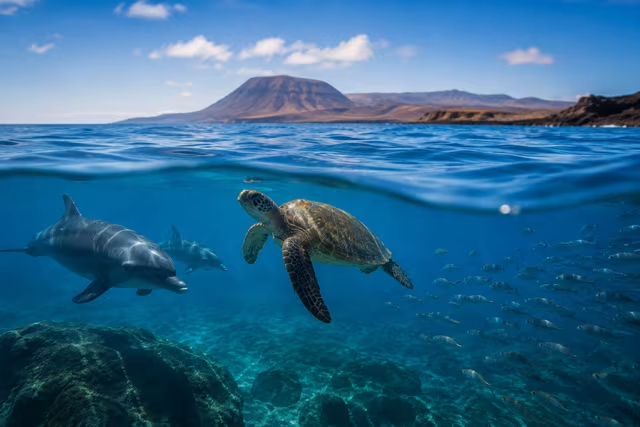
For residents and visitors to Lanzarote, the announcement highlights the growing importance of preserving the islands’ unique marine environment, which is home to an incredible variety of wildlife, including sea turtles, dolphins, whales, rays, sharks and countless seabird species.
What Are Marine Protected Areas?
Marine Protected Areas are sections of the ocean where human activity is carefully managed to help conserve marine ecosystems. Depending on the level of protection, activities such as commercial fishing, seabed extraction or other potentially damaging practices may be restricted, while sustainable tourism, recreational boating and diving can often continue under regulated conditions.
Scientists believe these protected zones allow marine habitats to recover, helping fish populations increase and safeguarding fragile ecosystems that support a wide range of wildlife.
Why It Matters for Lanzarote
Lanzarote’s waters are already internationally recognised for their rich marine biodiversity.
The island sits alongside important migration routes for whales and dolphins and supports habitats used by endangered sea turtles and numerous fish species. Areas around La Graciosa and the Chinijo Archipelago are already protected and have become an important example of marine conservation within the Canary Islands.
Expanding protected waters could help:
- Protect breeding and feeding grounds for marine wildlife.
- Improve the long-term health of fish stocks.
- Preserve underwater habitats for future generations.
- Support sustainable tourism, including diving, snorkelling and responsible whale-watching.
Supporting the Global “30x30” Goal
Spain is working towards the international 30x30 conservation target, which aims to protect 30% of the world’s land and oceans by 2030.
Although the Canary Islands already have areas designated for protection, conservation experts have previously pointed out that many require stronger management and enforcement. The proposed expansion is seen as another step towards creating a more effective network of protected marine habitats across the archipelago.
Good News for Nature and Sustainable Tourism
For many visitors, the Canary Islands’ clear waters and abundant marine life are among the biggest attractions. Healthy oceans not only benefit wildlife but also support businesses connected with diving, boat excursions, recreational fishing and eco-tourism.
Protecting these habitats helps ensure that future generations can continue to enjoy encounters with dolphins, whales, sea turtles and other marine species that make the waters around Lanzarote so special.
While the new protected areas are primarily aimed at conservation, they also reinforce the Canary Islands’ reputation as one of Europe’s leading destinations for nature-based tourism.
