

Could Lanzarote’s Papagayo Beaches See New Car Restrictions?
Lanzarote’s famous Papagayo beaches could see changes to how visitors arrive by car, following renewed calls to manage traffic in one of the island’s most treasured natural areas.
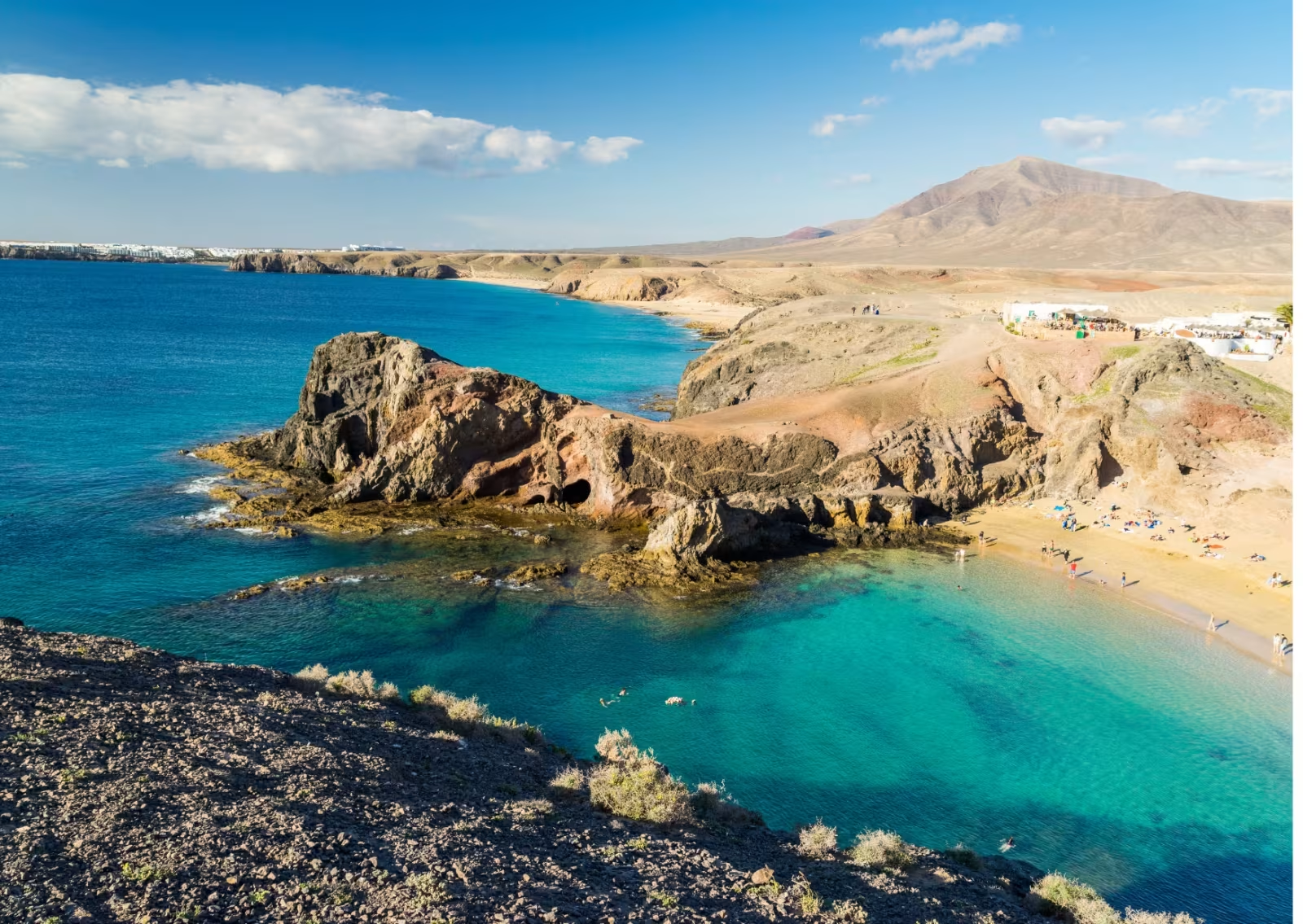
Located in the south of Lanzarote, close to Playa Blanca, the Papagayo coves form part of the Monumento Natural de Los Ajaches. The area is loved for its golden sand, clear turquoise water and dramatic volcanic scenery. Its popularity, however, brings pressure on the access tracks and surrounding landscape, particularly during busy holiday periods.
WHAT IS BEING PROPOSED?
On 19 October 2026, Lanzarote politician Yoné Caraballo brought the issue to the Canary Islands Parliament, calling for fewer vehicles belonging to non-residents to be allowed into the protected area. One idea is an advance online booking system, potentially using QR codes, so the number of cars entering can be managed more closely.
The proposal follows earlier calls from Nueva Canarias–Bloque Canarista to limit non-resident access to 500 vehicles a day. Figures cited by the party suggest that between 1,200 and 1,500 vehicles can enter on busy days during the high season. The suggested approach could also involve an access charge, with money directed back into looking after the area.
It is important to stress that these are proposals, not confirmation that a new 500-car limit or online booking requirement has come into force. No implementation date for the newly proposed system has been announced in the latest report.
WHY IS PAPAGAYO ACCESS BEING DISCUSSED?
Papagayo is part of a protected natural landscape, and its appeal depends on keeping the coves and surrounding terrain as unspoilt as possible. Large numbers of cars can create congestion on the access tracks and increase the demands on cleaning, waste collection and maintenance.
Supporters of tighter controls argue that managing visitor numbers could help protect the environment while making access more orderly. Any future plan will need to balance conservation with the fact that Papagayo is an important place for both local residents and visitors to Lanzarote.
WHAT DOES THIS MEAN FOR TOURISTS VISITING LANZAROTE?
For now, holidaymakers should not assume that a new advance booking system is already operating. Before setting off for Papagayo, check the latest information from the Ayuntamiento de Yaiza or the Cabildo de Lanzarote, particularly if you are planning to visit during a busy period.
If new restrictions are approved in the future, visitors will need clear guidance on how to reserve a space, whether a fee applies, and what to do if vehicle allocations are full. Travellers should avoid relying on social media posts alone for details of any changes.
ARE THERE OTHER WAYS TO ENJOY PAPAGAYO?
Papagayo’s beaches can be reached by car, on foot and by boat, although routes and practical options vary. If driving, allow extra time, follow marked access routes and park only in designated areas. Visitors exploring on foot should stick to established paths and take water, sun protection and suitable footwear, especially in warmer weather.
The beaches are relatively undeveloped, so it is sensible to bring essentials with you and take all rubbish away. Respecting the landscape helps preserve the experience for everyone.
A BALANCE BETWEEN TOURISM AND CONSERVATION
The discussion around Papagayo reflects a wider challenge for Lanzarote: how to welcome people to its most beautiful places while protecting the natural environment that makes the island distinctive. Better access management may form part of that conversation, but the details will matter.
For residents and tourists alike, the key point is that tighter vehicle controls have been proposed, but the latest announcement does not itself introduce a new booking system. We will continue to follow developments and update readers if the authorities confirm any changes.
