
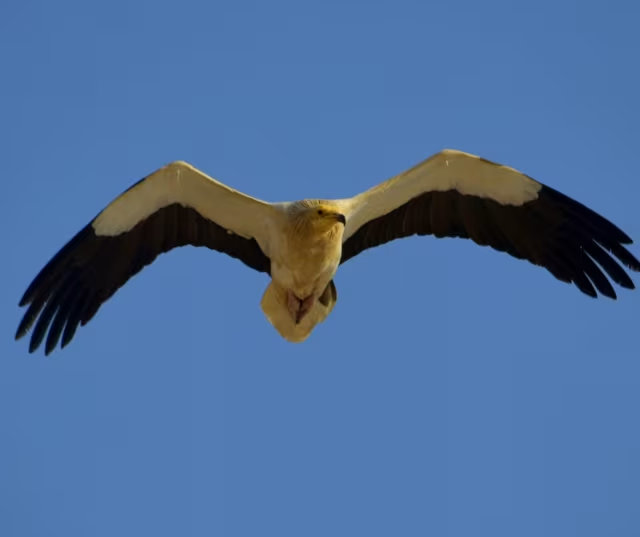

Egyptian Vulture Finds New Partner in Lanzarote After Unexpected Loss
A remarkable wildlife story highlights the resilience of one of Lanzarote’s most iconic birds.
Lanzarote’s famous Egyptian Vultures, known locally as Guirres, have once again captured the attention of conservationists and nature lovers across the Canary Islands.
Recent monitoring of one of the island’s breeding pairs revealed an unexpected twist. After the death of a male Egyptian Vulture that had been tracked by conservation teams for years, experts returned to check on the nesting site. What they found surprised them: the surviving female had already been joined by a new partner.
The discovery offers a fascinating glimpse into the behaviour of these endangered birds and provides hope for the future of Lanzarote’s unique vulture population.
A Well-Known Bird of Northern Lanzarote
The deceased male was no ordinary bird. Records show it hatched near Órzola in northern Lanzarote in 2014 and had become a regular traveller between Lanzarote, Fuerteventura and the islands of the Chinijo Archipelago. Conservation teams had monitored its movements for years, making it a valuable part of ongoing efforts to protect the species.
When news of the bird’s death emerged, wildlife experts feared the breeding territory could be left vacant for the season.
Nature Moves Quickly
During a follow-up inspection of the nest, conservation officers found the female still occupying the territory. More surprisingly, another Egyptian Vulture appeared to have taken the place of the deceased male.
While humans often project emotions and relationships onto wildlife, birds operate according to different survival instincts. For species that depend on successful breeding to maintain their populations, finding a new mate quickly can be crucial.
The rapid formation of a new pair increases the chances that the territory will remain active and continue contributing to the recovery of the species in the Canary Islands.
Why Egyptian Vultures Matter in Lanzarote
The Egyptian Vulture is one of the most important birds of prey found in the Canary Islands. Recognisable by its pale plumage and yellow face, the species plays a vital role in the ecosystem by feeding on carrion and helping keep the environment clean.
The Canary Islands support one of the most significant populations of Egyptian Vultures in Europe. However, the species remains classified as endangered in many parts of its range and faces threats including poisoning, collisions with infrastructure and habitat pressures.
Thanks to decades of conservation work, Lanzarote and Fuerteventura have become important strongholds for the species.
A Wildlife Success Story for Visitors and Residents
For many tourists, Lanzarote’s volcanic landscapes are the main attraction. Yet the island’s wildlife is equally impressive.
Birdwatchers travel from across Europe hoping to spot a Guirre soaring above the lava fields, cliffs and rural valleys. The species has become a symbol of successful conservation in the Canary Islands and a reminder of the fragile natural heritage that makes Lanzarote unique.
This latest story demonstrates the resilience of wildlife and the importance of continued monitoring and protection.
While the loss of a breeding bird is always saddening, the discovery of a new partner at the nest provides a positive sign for the future.
