
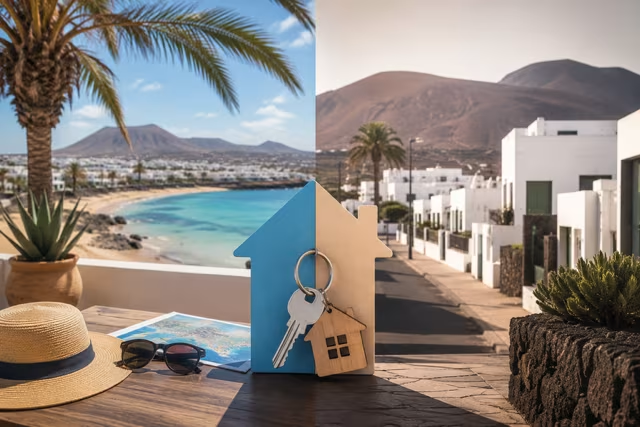

Lanzarote Tourism and Housing: What Falling Holiday Rental Numbers Mean for Residents and Visitors
The holiday rental market in Lanzarote is undergoing significant changes as the Canary Islands continue to balance tourism growth with the housing needs of local residents. Recent data indicates that the number of holiday rental properties advertised on major booking platforms has declined across the Canary Islands, including Lanzarote, raising important questions about the future of tourism accommodation on the island.
A Changing Landscape for Lanzarote Tourism
For many years, platforms such as Airbnb and other online booking services helped fuel rapid growth in holiday accommodation across Lanzarote. Visitors were attracted by the flexibility of self-catering apartments, villas, and holiday homes, while property owners benefited from strong tourist demand.
However, official statistics now show a reduction in the number of holiday lets being advertised across the Canary Islands. The decline comes as regional authorities introduce stricter regulations and enforcement measures aimed at ensuring holiday rentals operate legally and responsibly.
Lanzarote remains one of the most popular tourist destinations in the Canary Islands, accounting for a significant share of the archipelago’s holiday rental market. Despite fewer properties being available, occupancy levels remain strong, suggesting demand from visitors continues to be high.
Impact on Lanzarote Residents
Housing affordability has become a major concern for many residents across Lanzarote. Local communities have increasingly voiced concerns that the growth of short-term holiday rentals has reduced the supply of long-term housing available to island residents.
Supporters of tighter regulation argue that reducing the number of unregulated holiday lets could help return more properties to the residential market, potentially easing pressure on rental prices and increasing housing availability for local families and workers.
At the same time, many property owners and tourism businesses highlight the important role holiday rentals play in supporting the local economy, creating jobs, and generating income throughout the island.
What It Means for Tourists Visiting Lanzarote
For tourists planning a holiday in Lanzarote, the island remains one of Europe’s most attractive year-round destinations. Visitors can still choose from a wide range of accommodation options, including hotels, resorts, apartments, villas, and licensed holiday homes.
However, with fewer holiday rentals available on booking platforms, travellers may need to book earlier during peak seasons to secure their preferred accommodation. This is especially relevant for families and larger groups seeking private villas or self-catering properties.
Tourists are also encouraged to ensure their accommodation is properly registered and complies with local regulations, helping support responsible tourism on the island.
The Future of Holiday Rentals in Lanzarote
The debate surrounding holiday rentals is likely to continue as authorities seek to find a balance between maintaining a successful tourism industry and protecting housing opportunities for residents.
While the overall number of holiday rentals has fallen, visitor demand remains resilient, and Lanzarote continues to enjoy strong occupancy rates compared with many competing destinations. The challenge for policymakers will be creating a sustainable model that benefits both local communities and the tourism sector that remains vital to the island’s economy.
Conclusion
Lanzarote is entering a new phase in its tourism development. The reduction in holiday rental listings reflects changing regulations, growing concerns about housing availability, and a broader effort to create a more sustainable balance between tourism and local life.
For residents, the hope is that these changes will improve access to housing. For visitors, Lanzarote remains as welcoming as ever, offering world-class beaches, year-round sunshine, and a diverse range of accommodation options. The coming year will reveal whether the island can successfully achieve a balance that supports both its communities and its tourism-dependent economy.
