NEW DISCOVERIES NEAR PAPAGAYO SHED LIGHT ON LANZAROTE’S EARLY HISTORY
Nolita James|
Share
Sponsored
NEW DISCOVERIES NEAR PAPAGAYO SHED LIGHT ON LANZAROTE’S EARLY HISTORY
Archaeologists working close to Lanzarote’s famous Papagayo beaches have uncovered new features that could help explain how one of the Canary Islands’ earliest European settlements functioned more than 600 years ago.
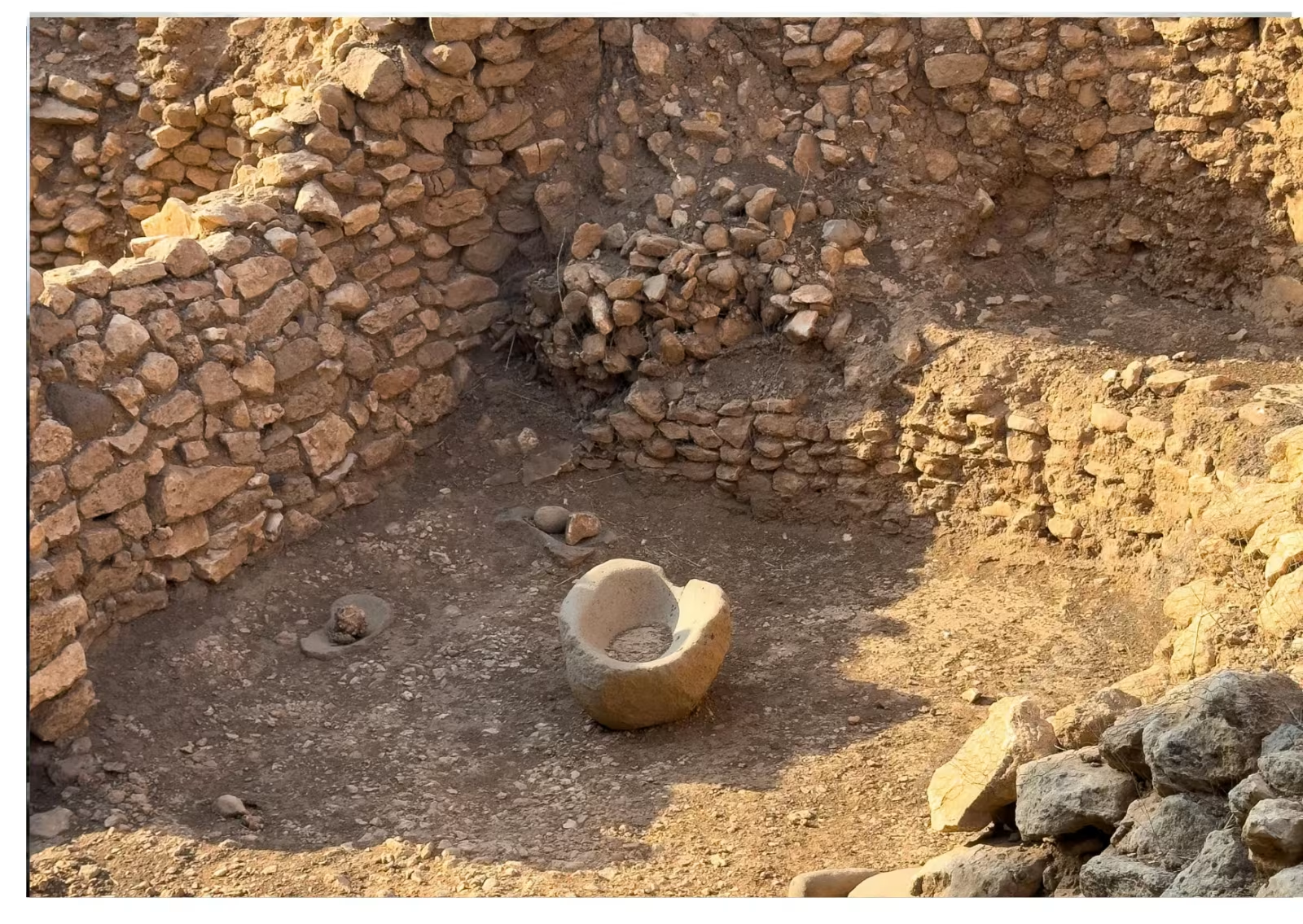
The latest excavation campaign at San Marcial de Rubicón, in the municipality of Yaiza in southern Lanzarote, has revealed two previously unrecorded wells, another structure associated with water use, a lime-storage area and a stretch of compacted-earth paving. The discoveries were reported following the project’s seventh archaeological campaign, which took place during October 2026.
WHY WATER WAS SO IMPORTANT
The search for historic wells has been a major focus of the work. Lanzarote’s dry climate made reliable water supplies essential, and understanding how people collected and managed water can tell researchers a great deal about everyday life in the settlement. Historical documents and oral accounts had suggested that more wells might exist in the area than those already identified.
The newly uncovered features are being studied carefully. Archaeologists distinguish between a structure that is clearly connected with water and one that can definitively be identified as a well, so further examination will be needed before every feature’s exact purpose is established.
CLUES TO DAILY LIFE IN THE SETTLEMENT
The excavation team has also identified an area interpreted as a possible lime store associated with a lime kiln investigated during an earlier campaign. Lime production was an important practical activity, and evidence of storage and production can help researchers reconstruct how the settlement was organised and supplied.
Elsewhere, archaeologists uncovered compacted-earth paving and cut features in the basalt ground in an area that may have functioned as an open space or access route near a church. Its precise role remains under investigation. Researchers have also recovered a range of material, including ceramic fragments, metal objects and animal and human bone remains, which will be examined as part of the ongoing research.
SAN MARCIAL DE RUBICÓN: A SIGNIFICANT PLACE IN CANARY ISLANDS HISTORY
San Marcial de Rubicón is associated with the Norman-led expedition of Jean de Béthencourt and Gadifer de La Salle, which arrived in Lanzarote in 1402 during the beginning of the European conquest and colonisation of the Canary Islands. The settlement became an important foothold and is widely recognised as one of the earliest permanent European settlements in the archipelago.
Archaeological research here helps build a fuller picture of this period by testing historical accounts against physical evidence. Rather than focusing only on prominent buildings or fortifications, the current work is also looking for evidence of water management, production, public spaces and the routines that supported a community in a challenging environment.
The project brings together the Government of the Canary Islands, Yaiza Town Council, the University of La Laguna and the University of Las Palmas de Gran Canaria, alongside the archaeological research team. After fieldwork ends, recovered material is studied in laboratories so that specialists can better establish its age, function and significance.
A DIFFERENT SIDE OF LANZAROTE FOR VISITORS
Visitors often know southern Lanzarote for Playa Blanca, the Papagayo beaches and the island’s striking volcanic landscapes. The nearby Rubicón site offers another perspective: a chance to understand the history beneath the scenery and the practical challenges faced by people who lived here centuries ago.
The archaeological area is a place of research and heritage, not simply another attraction to explore freely. Anyone planning to visit the surroundings should check current access arrangements and follow local signs and instructions. Please do not cross barriers, move stones or disturb archaeological remains.
As specialists continue analysing the latest discoveries, the new wells and other structures may help fill gaps in the story of San Marcial de Rubicón. Even where a feature’s precise purpose is not yet known, each carefully recorded find adds another piece to Lanzarote’s rich historical record.
We may use cookies to enhance your browsing experience and analyse website traffic. By clicking "Accept All", you consent to our use of cookies (all of which are anonymous).
Coming Soon
We are building our Lanzarote Waits for You Community - it's being developed all the time. Please come back soon to find out more about this exciting new feature.
Get in Touch
Thank You!
Your message has been sent successfully. We will get back to you soon.
Be a part of Lanzarote's Fastest Growing Online Community
Create your free forum account. First, a few details.
Terms & preferences
Please read and accept our terms before continuing.
Subscribe to our newsletter
Be the first to know what's happening on the island. Here's what lands in your inbox:
Lanzarote News
The best things to see and do in Lanzarote
Weather updates
Exclusive discounts
Add a profile photo
Optional — you can always add one later.
Drag & drop a profile photo, or browse
PNG or JPG, up to 8MB
Check your email
We've sent a 6 digit code to . Can't see it? Check your spam or junk folder.