
Playa Blanca Cruise Port Faces Questions Over Border Controls Ahead of November Arrival
Lanzarote’s growing cruise ambitions have taken another turn, with questions now being raised about whether the necessary border and passport-control arrangements are fully in place for international cruise passengers arriving at the Puerto de Playa Blanca.
The issue has come into focus after Yaiza mayor Óscar Noda formally asked Puertos Canarios for clarification about the arrangements needed to receive international cruise ships at the south Lanzarote port.
Why are border controls important at Playa Blanca?
International cruise passengers arriving from outside the Schengen Area have to pass the appropriate border controls before they can enter the territory. This is particularly important as European passport and Entry/Exit System procedures continue to change.
Spain’s port authorities explain that border controls are required when non-EU travellers enter or leave the Schengen Area. The wider European system is moving towards electronic registration, including passport information and, where applicable, facial images and fingerprints.
For a cruise terminal such as Playa Blanca, the practical question is therefore not simply whether a ship can physically dock. The port also needs the appropriate security, immigration and operational arrangements to process passengers.
What has happened at Playa Blanca?
Playa Blanca has undergone a major transformation in recent years, with the port expanded and its surroundings remodelled. Puertos Canarios has been developing the facility as a more modern and sustainable port, with the aim of attracting cruise ships, luxury yachts and other higher-value maritime tourism.
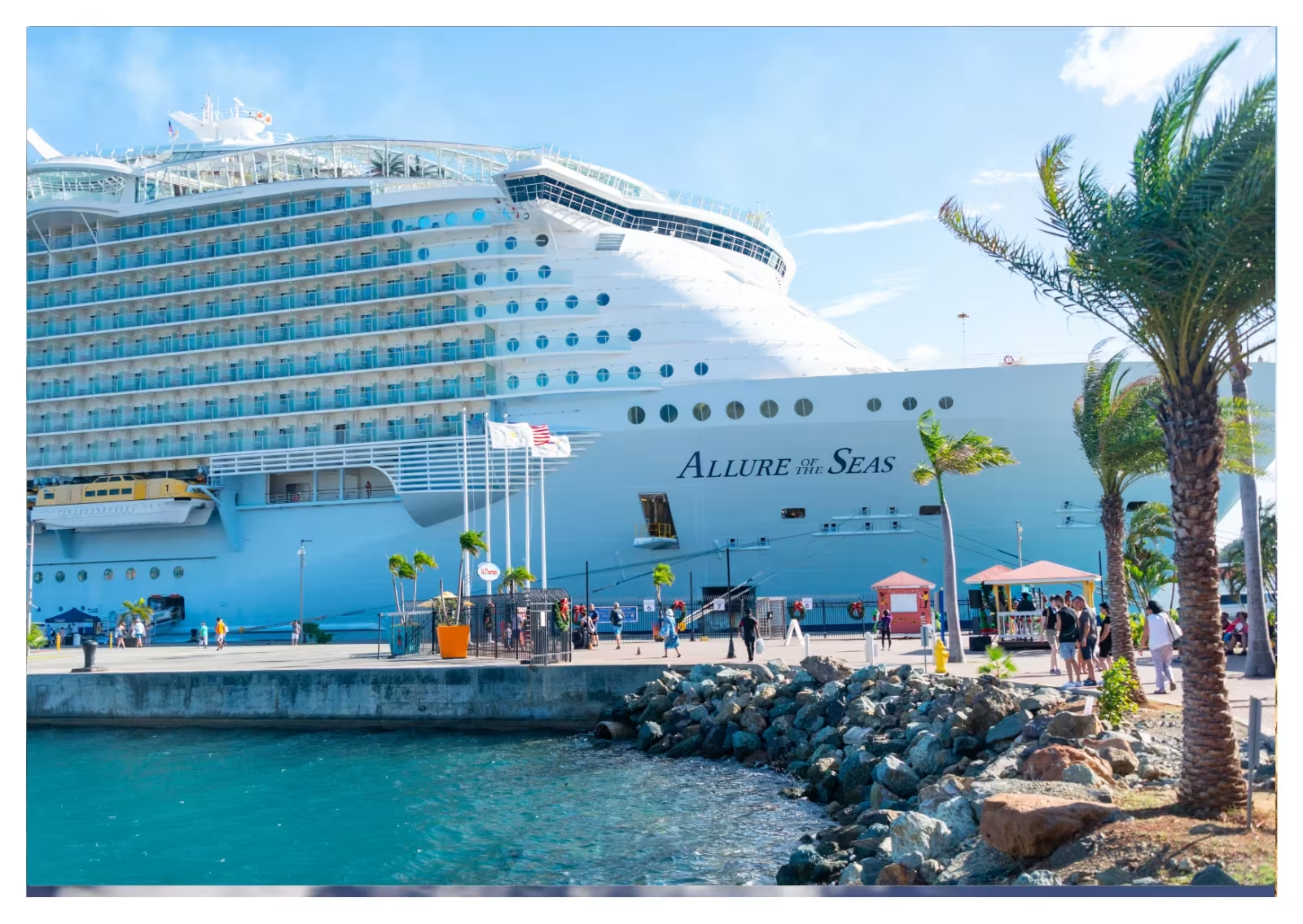
Earlier this year, Puertos Canarios announced plans for a first large cruise ship to visit Playa Blanca in November 2026. The vessel is expected to be around 207 metres long, with the call described as a major milestone for a port outside Lanzarote’s capital.
The Canary Islands Government has also said that the technical services needed for cruise operations had been coordinated and that the remodelled terminal and surrounding infrastructure were ready for cruise activity.
However, the latest development has introduced an important question.
Yaiza mayor asks for answers
Óscar Noda has now asked Puertos Canarios to provide a detailed account of what has been done with the relevant authorities to ensure the border controls required for international cruise passengers can take place at Playa Blanca.
He has also requested an urgent meeting of the Puertos Canarios Advisory Council, where Yaiza is represented.
The mayor is seeking an update on the cruise call planned for November and wants to know whether anything could prevent the ship from docking. He has also asked whether cruise companies have been told that certain ships can operate only from Arrecife because of passport-control arrangements.
This does not mean that a cruise arrival at Playa Blanca has been cancelled. At the time of writing, the issue is one of clarification and confirmation rather than a confirmed cancellation.
Why is Arrecife part of the story?
Arrecife already has an established cruise operation at the island’s main commercial port. The capital has extensive experience handling international cruise passengers and has the infrastructure and arrangements required for passport controls.
In a statement this week, Arrecife’s mayor said the capital is currently the only port in Lanzarote authorised for passport control for international cruise travellers. The statement also highlighted strong cruise traffic figures for 2026, with more than 413,000 cruise passengers recorded between January and August.
For Playa Blanca, the key question is whether every necessary border, security and immigration requirement has been formally completed before an international cruise ship arrives.
What could it mean for tourists and residents?
If Playa Blanca successfully begins receiving cruise ships, the impact could be significant for the south of Lanzarote.
Cruise passengers arriving directly into Playa Blanca would be able to spend time in the south of the island without first travelling to Arrecife. That could benefit local restaurants, shops, taxis, excursions, tour operators and other businesses in Playa Blanca, Yaiza and the surrounding area.
The move could also help spread tourism spending beyond the capital and create a different type of visitor experience, particularly because the cruise ships being discussed for Playa Blanca include smaller and more boutique-style vessels.
For residents, however, the arrival of cruise ships also raises practical questions about traffic, transport, security, public services and how the port connects with the town.
Playa Blanca already handles substantial regular passenger traffic, particularly through ferry services linking Lanzarote with Fuerteventura. Adding international cruise passengers would create a new layer of activity.
What happens next?
The immediate priority is for Puertos Canarios and the relevant authorities to clarify whether the border-control arrangements for international cruise passengers are fully guaranteed.
The November cruise call remains an important test for Playa Blanca. If the necessary procedures are confirmed, it could mark the beginning of a new chapter for cruise tourism in southern Lanzarote.
If additional requirements remain outstanding, the authorities will need to explain what is missing and whether this affects the planned arrival.
For visitors planning a holiday in Lanzarote, there is currently no reason to change normal travel plans based solely on this development. The story concerns the operational arrangements for cruise calls at Playa Blanca rather than a general problem affecting tourists arriving through Lanzarote Airport or the island’s established ferry services.
Lanzarote’s cruise tourism is continuing to grow, and Playa Blanca is clearly being positioned to play a bigger role. The coming weeks should provide a clearer picture of whether the new cruise terminal is fully ready to handle international passengers from ship to shore.