
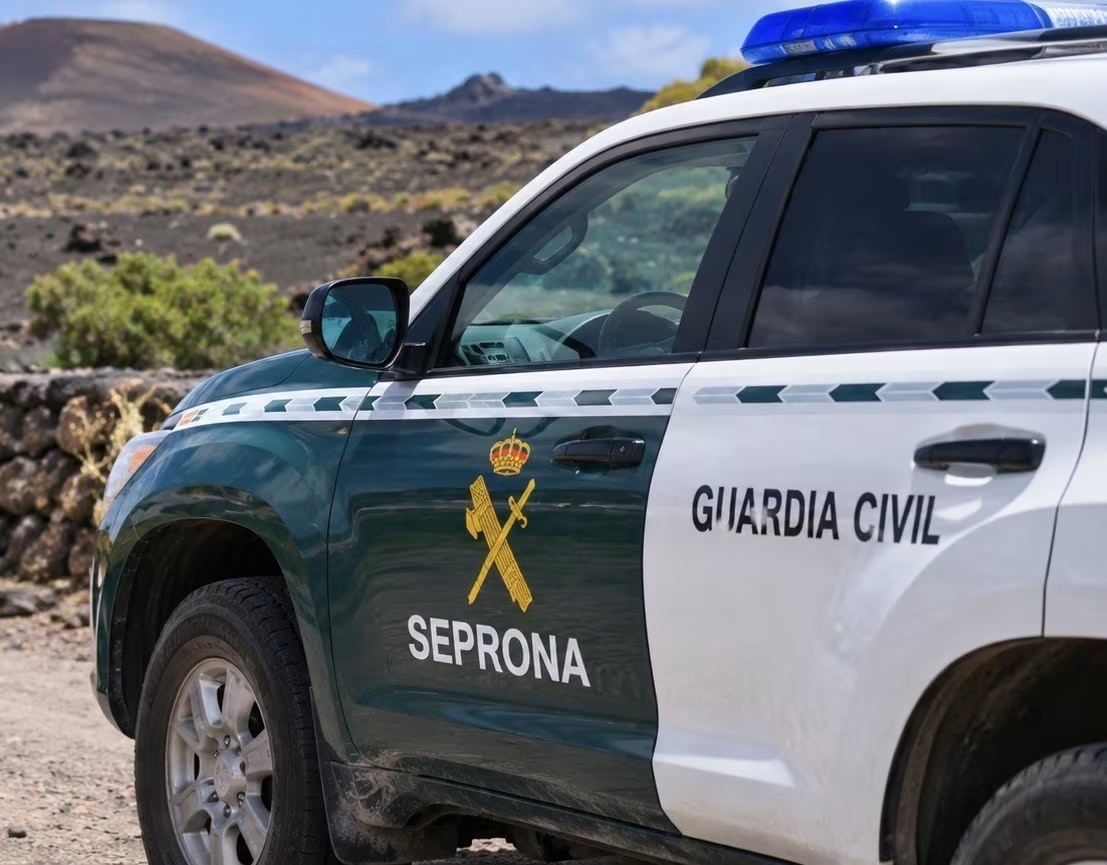

SEPRONA Inspects Controversial Coastal Works at Playa Chica as Puerto del Carmen Diving Row Intensifies
Residents, divers and local businesses are watching developments along the La Tiñosa coastline as questions continue over a €1.39 million project.
Work taking place along one of Puerto del Carmen's best-known coastal stretches has sparked growing debate after Spain's environmental protection service, SEPRONA, visited the site between Playa Chica and El Riscadero.
The works, which form part of a major project to develop an ecological park for underwater activities and diving facilities, have attracted criticism from local diving professionals and residents concerned about the impact of construction close to the shoreline.
The presence of SEPRONA on Wednesday, 18 November, prompted speculation that the works might have been suspended. However, the Guardia Civil confirmed that officers had attended following complaints to check that everything was in order. The works have continued.
WHAT IS HAPPENING ALONG THE COASTLINE?
The construction forms part of the proposed Parque Ecológico de Actividades Subacuáticas Puerto del Carmen, an initiative promoted by the Ayuntamiento de Tías.
The intention is to improve facilities for the diving industry and create a dedicated area for underwater activities, while also providing facilities that can be enjoyed by other visitors to the coastline.
The plans include shaded areas, seating, changing facilities, showers, accessible toilets, a viewing area and improvements to pedestrian access. A new ramp providing access to the sea is also part of the project.
The contract was put out to tender in December 2025, with a value of €1,391,026.63, including taxes, and an anticipated construction period of nine months.
WHY ARE DIVERS CONCERNED?
The controversy centres on the way the construction is being carried out so close to the sea.
Local diving instructors and businesses have expressed concern about heavy machinery operating near the water, rock being broken up and material entering the sea.
Some have reported cloudy water and what they describe as sediment and construction-related pollution in the bay.
Their concerns are particularly significant because the waters around Puerto del Carmen are internationally recognised for their marine biodiversity.
One species highlighted by diving professionals is the angel shark, an exceptionally vulnerable shark found in the Canary Islands. The waters around Lanzarote are among the important remaining refuges for this critically endangered species.
Divers have called for effective sediment barriers, careful management of construction waste and measures to minimise underwater noise.
They have also raised concerns about the timing of the works in relation to the angel shark's breeding season.
WHAT DOES THE AYUNTAMIENTO SAY?
The Ayuntamiento de Tías has defended the project, insisting that the works have the necessary permissions and are being carried out in accordance with the approved plans.
Following the SEPRONA visit, the council confirmed that the officer had also attended the municipal offices to request and examine the relevant authorisations.
The council maintains that the project has the required permissions from the relevant authorities, including Costas and environmental departments.
Officials have also explained that breaking up rock to create the new access ramp naturally produces material that can make the water appear cloudy.
The council says it has an environmental impact report and that municipal technicians are monitoring whether the construction complies with the conditions attached to the project.
It has firmly rejected suggestions that the works have been halted, confirming that construction is continuing.
WHAT IS SEPRONA AND WHY WAS IT INVOLVED?
SEPRONA is the Servicio de Protección de la Naturaleza, the environmental protection branch of Spain's Guardia Civil.
Its responsibilities include investigating potential environmental offences, protecting wildlife, monitoring pollution and ensuring compliance with environmental legislation.
Its presence at Playa Chica followed complaints about the ongoing construction.
However, an inspection should not automatically be interpreted as evidence that an offence has taken place. In this case, the Guardia Civil confirmed that the visit was intended to check the situation and the relevant permissions.
No announcement of an enforcement action or formal finding of environmental wrongdoing had been reported in the coverage reviewed.
A PROJECT THAT HAS DIVIDED OPINION
There is also a political dimension to the controversy.
Coalición Canaria in Tías has questioned whether the project being constructed is substantially different from the original proposal.
Its spokesperson, Amado Vizcaíno, has called for access to the complete project documentation and clarification of the environmental reports and permissions covering the work.
The party argues that the original concept involved lighter, modular structures that could be dismantled, whereas the current construction appears to involve more substantial work along the shoreline.
Nueva Canarias has also called for greater transparency over the project and the environmental safeguards in place.
The Ayuntamiento, however, maintains that the modified project has been properly authorised.
WHAT DOES THIS MEAN FOR TOURISTS VISITING PUERTO DEL CARMEN?
For holidaymakers, Playa Chica and the surrounding La Tiñosa coastline remain important parts of Puerto del Carmen's appeal.
The area attracts swimmers, snorkellers and divers throughout the year, and its sheltered waters are particularly popular with people discovering underwater activities for the first time.
The reports reviewed do not establish that Playa Chica or El Riscadero has been officially closed to swimmers. Visitors should nevertheless pay attention to any temporary barriers, safety notices or restrictions at the site while construction continues.
The project is intended to improve facilities for diving and other visitors, but the current debate highlights the importance of ensuring that improvements to tourism infrastructure do not compromise the natural environment that makes the destination attractive in the first place.
WHAT HAPPENS NEXT?
The key questions now concern the environmental safeguards, the precise conditions attached to the construction permissions and whether the work on the ground is fully consistent with the approved project.
The Ayuntamiento has defended its position, while diving professionals and political groups continue to seek further clarification.
For now, construction is continuing and no formal suspension has been announced in the reports reviewed.
For residents and visitors alike, the hope will be that the project ultimately delivers better facilities without damaging the marine environment that has helped make Puerto del Carmen one of Lanzarote's most important diving destinations.
Lanzarote Waits For You will continue to follow developments as further information becomes available.