

WHY IS THE ISLAND OF LOBOS CALLED LOBOS? THE FASCINATING STORY OF THE SEALS THAT ONCE LIVED THERE
If you have ever looked across the sea from Lanzarote towards Fuerteventura, you may have spotted a small island sitting between the two. It is called Isla de Lobos, and although it looks like a peaceful, uninhabited volcanic paradise today, its name preserves a surprising story about the wildlife that once lived there.
DID YOU KNOW THAT THE ISLAND WAS NAMED AFTER SEALS?
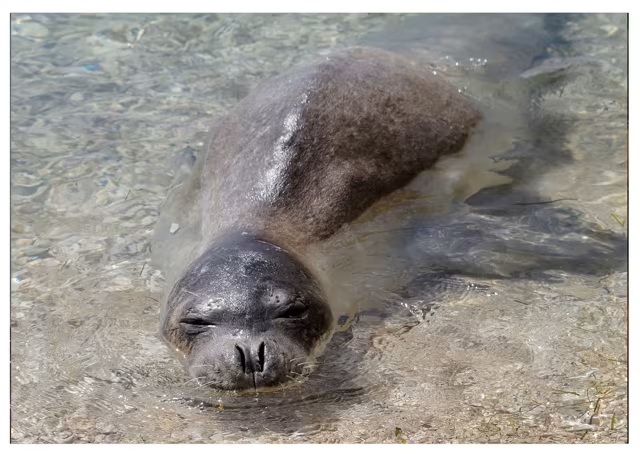
In Spanish, lobo means wolf. But the name Lobos is linked to the expression lobos marinos, meaning sea wolves. This was a traditional name for the Mediterranean monk seal (Monachus monachus), also known as the monk seal.
Centuries ago, monk seals lived around the island and the neighbouring waters. The island's quiet beaches, caves and sheltered coastline offered places where these marine mammals could rest and raise their young. The name Isla de Lobos – the Island of the Sea Wolves – is a reminder of that former wildlife.
WHAT DID THESE SEALS LOOK LIKE?
The Mediterranean monk seal is one of the world's rarest seal species. It is adapted to warmer waters, unlike the seals many people associate with colder regions. Adults can grow to around 2.4 metres long and weigh more than 300 kilograms. They have rounded bodies, dark grey or brown coats and distinctive faces with large, dark eyes.
Monk seals spend much of their lives in the sea, but they also need safe places on land to rest, give birth and care for their pups. Sea caves and quiet beaches can provide important shelter.
WHAT HAPPENED TO THE SEALS?
Sadly, the story has a darker side. Monk seals were hunted by people for their meat and fat, while growing human activity along the coast added further pressure. Over time, the animals disappeared from the Canary Islands.
The island's name is therefore more than just a curious label: it preserves a memory of an animal that was once part of the local natural world. Archaeological and historical evidence from the eastern Canary Islands supports the fact that monk seals once lived in this region.
COULD YOU STILL SEE MONK SEALS IN THE CANARY ISLANDS TODAY?
You wont see a monk seal around Isla de Lobos today. The species survives in small, scattered populations elsewhere in the Mediterranean and the eastern Atlantic, and remains highly threatened. Conservation work is important to protect the animals and the coastal habitats they depend on.
WHERE EXACTLY IS ISLA DE LOBOS?
Isla de Lobos lies in the Strait of La Bocaina, between the north of Fuerteventura and the south of Lanzarote. It covers roughly 4.5 square kilometres and its highest point, the volcanic mountain of La Caldera, reaches around 127 metres. The island is protected as a natural area and is a popular day trip by boat from Corralejo in Fuerteventura.
AN ISLAND THAT HAS KEPT ITS SECRETS
Today, Isla de Lobos is known for its turquoise water, volcanic scenery, walking trails and peaceful beaches. Thousands of visitors travel across from Fuerteventura to explore it, perhaps without realising that the island's name refers to seals that once lived along its shores.
The next time you look towards Fuerteventura from Lanzarote, remember the little island with the unusual name. It carries a fascinating piece of Canary Islands natural history – a story of the sea wolves that once called it home.
